Backpacking is possible but not easy: flights are limited, inter-island logistics are fragile, and accommodation choices are narrow outside Tutuila.
American Samoa is better for a planned nature trip than remote work; connectivity, housing choice, and entry limits make long nomad stays awkward.
The U.S. dollar is familiar, but remoteness raises flight, lodging, rental, and imported-goods costs compared with many Pacific backpacker routes.
Visitor crime risk is relatively low, while the main practical risks are ocean safety, storm-season disruption, and limited services on remote islands.
Evenings are quiet and local; this is not a nightlife-led destination.
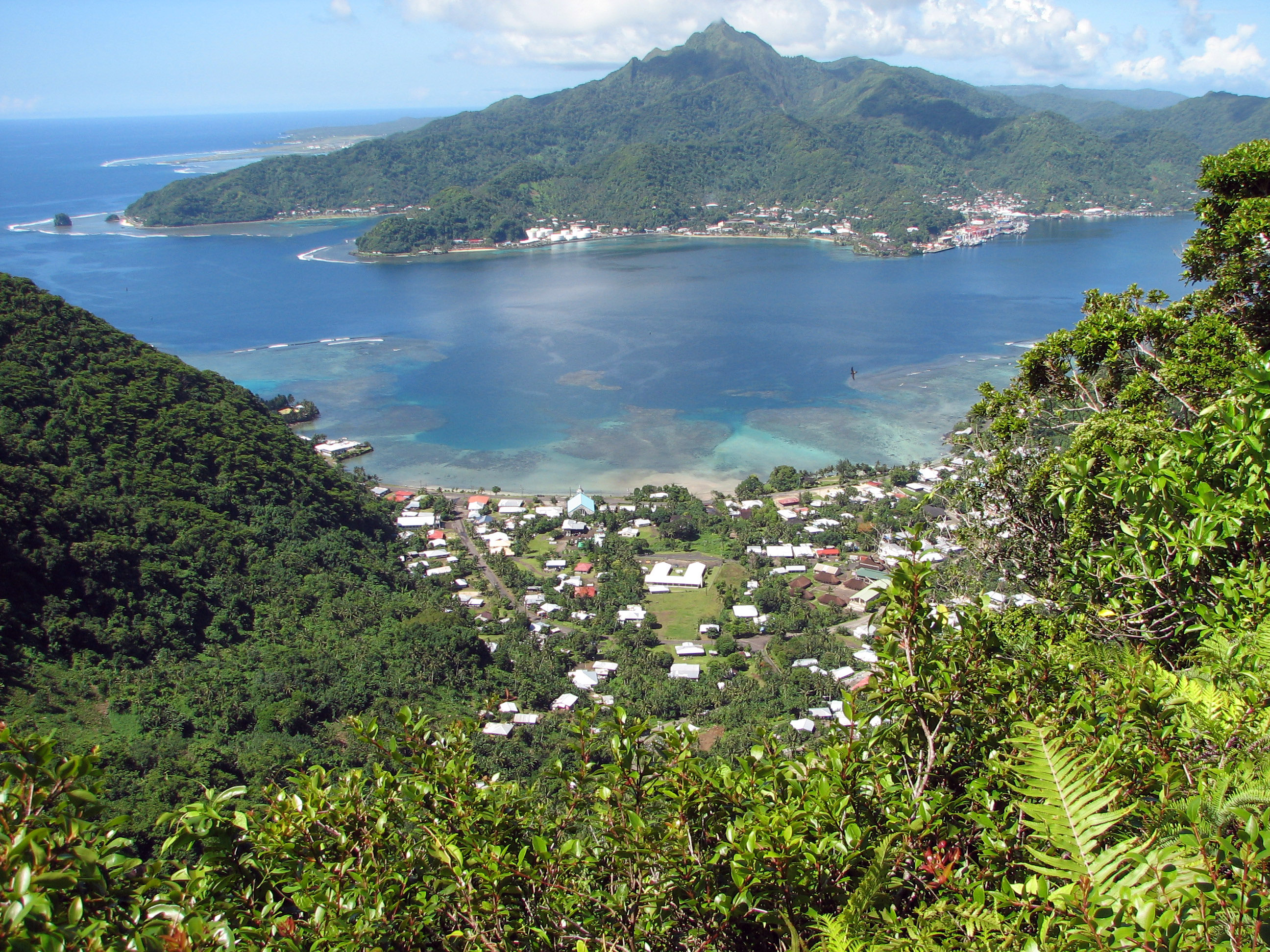
Rainforest ridges, coral reefs, Ofu Beach, and the National Park of American Samoa are the main reason to come.
Beaches can be exceptional, especially Ofu, but access and sea conditions require more planning than resort-island beach trips.
A car helps on Tutuila for overlooks, villages, and trailheads, but the territory is too small and fragmented for a classic road trip.
English helps, but limited transport, entry paperwork, and remote-island logistics make it better for deliberate planners than first-time casual travelers.
Social travel is more local and small-scale than hostel-driven; cultural respect and village etiquette matter more than meeting other travelers.