




Explore destinations
Browse the full IKARU country catalog and find a place whose pace, season, and travel character fit the trip you want.
249 destinations
Europe
51
Albania
Albania is a Balkan destination with a strong mix of Riviera beaches, mountain hiking, Ottoman-era towns, archaeological sites, Tirana energy, generous food, and comparatively good value.

Andorra
Andorra is a compact Pyrenees microstate between France and Spain, best for skiing, hiking, mountain villages, spa time, and duty-light shopping. It is easy to pair with Barcelona, Toulouse, or a Pyrenees road trip, but border and mountain-weather logistics matter.

Austria
Austria is a polished Central European destination for Vienna culture, Salzburg music, alpine towns, skiing, summer hiking, lakes, Danube cycling, coffee houses, and efficient rail travel. It works well for first-time Europe trips, but the best route depends on whether the trip is city-led, ski-led, or summer-alpine.

Belarus
Belarus has striking Soviet-era Minsk avenues, UNESCO castles at Mir and Nesvizh, primeval forest, borderland towns, Orthodox and Catholic heritage, and deep World War II memory. It should not be promoted as an ordinary trip right now: current official guidance is Level 4 do not travel.

Belgium
Belgium is a compact, rail-friendly country for medieval cities, beer, chocolate, fries, Art Nouveau, EU politics, canals, museums, student nightlife, and Ardennes breaks. Brussels, Bruges, Ghent, Antwerp, and Leuven combine easily, with current Level 2 security awareness and petty-theft precautions in crowded hubs.

Bosnia & Herzegovina
Bosnia and Herzegovina is a high-value Balkan trip for Sarajevo, Mostar, Ottoman towns, war history, waterfalls, rafting, mountains, food, and warm hospitality. It is rewarding and affordable, but land mines, road conditions, and Level 2 security guidance require practical route awareness.

Bulgaria
Bulgaria is a high-value Balkan and Black Sea destination for Sofia, Plovdiv, Rila Monastery, mountain hiking, monasteries, Roman and medieval sites, wine, food, ski towns, and summer coast trips. It works well for culture-heavy routes, outdoors, and budget-conscious Europe travel.

Croatia
Croatia is a high-value Adriatic destination for Dubrovnik, Split, Hvar, Dalmatian islands, Plitvice, Istria, Pula, Zadar, Zagreb, beaches, sailing, old towns, waterfalls, road trips, seafood, and summer nightlife. It is safe and beginner-friendly, but peak-season prices, crowds, ferry logistics, Schengen limits, and heat need planning.

Czechia
Czechia is a compact Central European trip built around Prague, castle towns, beer culture, spa towns, forests, and easy rail travel. It works well for first-time Europe visitors, city breaks, backpacking routes, and slower loops through Bohemia and Moravia.

Denmark
Denmark is a compact Nordic trip built around Copenhagen design and food, Aarhus culture, cycling, castles, coastlines, islands, and easy rail or ferry links. It is expensive, polished, beginner-friendly, and best when city time is paired with beaches, dunes, or smaller towns.

Estonia
Estonia is a compact Baltic trip with Tallinn medieval streets, Tartu student culture, islands, bog walks, forests, saunas, digital convenience, and easy ferry or overland links. It is safe, manageable, and strongest when city time is paired with Lahemaa, Parnu, or Saaremaa.

Faroe Islands
The Faroe Islands are a self-governing North Atlantic archipelago of 18 mountainous islands within the Kingdom of Denmark, between Iceland, Norway, and the British Isles. The islands combine steep sea cliffs, green valleys, waterfalls, seabird colonies, fishing villages, and a strong Faroese language and culture.

Finland
Finland is a Nordic nature-and-design trip built around Helsinki, saunas, lakes, forests, Lapland, northern lights, midnight sun, archipelago routes, and easy but expensive infrastructure. It works best when city time is paired with cabins, national parks, ferries, or winter activities.

France
France is one of Europe's deepest travel countries: Paris, food and wine regions, Mediterranean and Atlantic coasts, Alpine and Pyrenean mountains, villages, museums, castles, markets, and rail or road routes. It rewards both first-time city breaks and longer regional trips.

Germany
Germany is a central European travel hub for Berlin culture, Munich and Bavaria, Rhine and Mosel castles, forests, beer gardens, Christmas markets, museums, trains, road trips, and regional food. It is efficient, varied, and easy to combine with neighboring countries.

Gibraltar
Gibraltar is a compact British Overseas Territory at the mouth of the Mediterranean, best for short breaks, Upper Rock views, military history, caves, macaques, dolphin trips, beaches, and easy add-ons to southern Spain.

Greece
Greece runs from Athens and ancient sites to islands, Crete, and mountain landscapes. Ferries and heat shape the rhythm more than the map distance.

Guernsey
Guernsey is a compact Channel Islands destination for St Peter Port, Castle Cornet, coastal paths, beaches, seafood, wartime history, and island-hopping to Herm, Sark, Alderney, and smaller islets.

Hungary
Hungary is a value-friendly Central European trip built around Budapest, thermal baths, ruin bars, Danube views, Lake Balaton, wine regions, historic towns, and easy rail links. It works for city breaks, backpacking, nightlife, spa weekends, and slower countryside add-ons.

Iceland
Iceland is a high-impact nature trip for waterfalls, glaciers, volcanoes, hot springs, black-sand beaches, northern lights, midnight sun, and road trips from Reykjavik. It is safe and English-friendly, but expensive and highly weather-dependent.

Ireland
Ireland is a social, scenic trip built around Dublin, pubs, live music, castles, literary history, green landscapes, the Wild Atlantic Way, Galway, Kerry, Cork, and road trips. It is safe and beginner-friendly, but weather, costs, and rural transport need planning.

Isle of Man
The Isle of Man is a self-governing Crown Dependency in the Irish Sea, known for Manx Celtic and Norse heritage, Tynwald, castles, heritage railways, rugged coastline, hills and TT road-racing culture. It is not part of the UK, although the UK handles defence and foreign affairs; the island has about 85,000 residents.

Italy
Italy is a deep Southern European trip for Rome, Florence, Venice, Tuscany, the Amalfi Coast, food, art, coastlines, islands, mountains, rail routes, and regional road trips. It rewards both first-time classics and slower regional travel.

Jersey
Jersey is the largest Channel Island and a self-governing Crown Dependency in the English Channel, close to Normandy. Saint Helier is the capital and main transport base. Visitors come for sandy bays, granite cliffs, tidal reefs, castles, coastal paths, Jersey Royal potatoes, dairy, and World War II occupation history; Jersey is not part of the United Kingdom.

Latvia
Latvia is a compact Baltic country where Riga's UNESCO-listed historic centre, Art Nouveau architecture, forests, river valleys, manor houses, and long Baltic coastline fit naturally into one trip. Gauja National Park, Jūrmala, Kuldīga, and Rundāle add culture and nature beyond the capital.

Liechtenstein
Liechtenstein is a tiny, German-speaking alpine principality between Switzerland and Austria. Vaduz supplies museums and castle views, while Gutenberg, Malbun, Gaflei, vineyards, and the Rhine Valley make it a compact hiking-and-culture stop rather than a city-break destination.

Lithuania
Lithuania is the southernmost Baltic state, stretching from medieval Vilnius and Kaunas to the Baltic coast and the Curonian Spit. It rewards a route that mixes historic cities, Trakai, forests and lakes, the Hill of Crosses, and seaside villages rather than treating the country as only a capital-city stop.

Luxembourg
Luxembourg is a small, multilingual Grand Duchy between Belgium, Germany, and France. Use Luxembourg City as a cultural base, then branch to Vianden and Éislek, Mullerthal’s forests, Moselle vineyards, or the industrial heritage of Minett.

Malta
Malta is a compact Mediterranean archipelago with a limestone capital, prehistoric temples, fortified cities, clear-water coves, and easy island trips to Gozo and Comino. English is widely used, and the islands combine history, food, nightlife, and water activities.

Moldova
Moldova is a compact, wine- and countryside-focused destination between Romania and Ukraine. Start in Chișinău, then branch to Orheiul Vechi, Cricova and Mileștii Mici, Soroca, monasteries, Dniester landscapes, and Gagauzia. It suits travelers who enjoy food, wine, rural guesthouses, and layered history; Transnistria requires separate, serious risk checks.

Monaco
Monaco is a tiny Mediterranean city-state on the French Riviera, built around a dramatic cliffside port. Its appeal is concentrated: Monaco-Ville, the Prince's Palace, Oceanographic Museum, Monte-Carlo Casino, Larvotto, gardens, events, and easy rail access from Nice and Menton. It is safe and exceptionally polished, but among Europe's most expensive short breaks.

Montenegro
Montenegro packs a rugged Adriatic coast, the Bay of Kotor, limestone mountains, river canyons, and five national parks into a small country. Build trips around Kotor and Budva, Podgorica, Lake Skadar, or Durmitor; summer on the coast is busy, while mountain roads and weather need planning.

Netherlands
The Netherlands is a compact, easy-to-navigate trip built around Amsterdam canals, museums, cycling, design, Rotterdam architecture, Utrecht and other canal towns, tulips, windmills, polders, nightlife, and coastal day trips.

North Macedonia
North Macedonia is a compact, landlocked Balkan country of historic cities, Lake Ohrid, mountain parks, Ottoman and Orthodox heritage, and affordable regional travel. Skopje, Ohrid, Mavrovo, Matka, and Bitola offer a mix of culture, hiking, lakeside time, food, and road-trip routes.

Norway
Norway is a high-impact nature destination for fjords, mountains, scenic rail, road trips, northern lights, midnight sun, Arctic cities, coastal routes, and outdoor travel. It is safe and organized, but expensive and highly weather-dependent.

Poland
Poland is a value-rich Central European trip built around Krakow, Warsaw, Gdansk, Wroclaw, historic sites, food, nightlife, rail loops, mountains, forests, and Baltic coast. It works well for city breaks, backpacking, history trips, and longer overland routes.

Portugal
Portugal combines compact cities, Atlantic coast, wine regions, and islands. For a first trip, make Lisbon, Porto, or the Algarve the focus rather than stacking everything together.

Romania
Romania is a value-rich Eastern European trip for Bucharest, Transylvania, castles, medieval towns, Carpathian mountains, villages, road trips, nightlife, and the Danube Delta. It rewards travelers who combine cities with slower rail, road, or nature routes.

Russia
Russia is normally a vast culture, history, rail, architecture, Siberia, Arctic, mountain, and nature destination, but the current user-facing profile must lead with Level 4 Do Not Travel risk rather than ordinary tourism promotion.

San Marino
San Marino is a landlocked microstate surrounded by Italy, with a UNESCO-listed historic center and Monte Titano at its core. The compact republic is best visited for towers, museums, views, and a walkable hilltop old town.

Serbia
Serbia is a value-focused Balkan trip for Belgrade nightlife, Novi Sad, Danube fortresses, monasteries, kafanas, festivals, western Serbia nature, road trips, and overland travel. It is strongest when cities are paired with river, mountain, food, and history routes.

Slovakia
Slovakia is a compact Central European trip for Bratislava, the High Tatras, castles, caves, spa towns, mining towns, rail routes, hiking, winter resorts, and good-value food and stays. It is strongest when city time is paired with mountains or historic towns.

Slovenia
Slovenia is a compact, highly scenic Central European trip for Ljubljana, Lake Bled, Bohinj, the Julian Alps, Soca Valley, caves, castles, wine regions, spas, and a short Adriatic coast. It is strongest for travelers who want nature, easy distances, and polished first-time logistics.

Spain
Spain is a major European travel staple for Madrid, Barcelona, Andalusia, islands, beaches, food, nightlife, art museums, historic towns, regional cultures, mountains, road trips, and year-round options. The best route depends heavily on season because inland heat, coastal crowds, northern rain, and island weather vary sharply.

Svalbard & Jan Mayen
Svalbard and Jan Mayen are remote Norwegian Arctic territories: Svalbard is an inhabited archipelago centred on Longyearbyen, while Jan Mayen is a restricted volcanic nature reserve with a small military and weather-station presence. Both are defined by fragile polar environments, limited transport, and expedition-style access.

Sweden
Sweden is a polished Nordic trip for Stockholm, Gothenburg, archipelagos, design, food, lakes, forests, Gotland, Skane, Lapland, northern lights, midnight sun, road trips, rail routes, and outdoor access. It is easiest in summer but has a strong winter identity in the north.

Switzerland
Switzerland is a premium Alpine trip for scenic trains, Lucerne, the Jungfrau Region, Zermatt, Zurich, Bern, Basel, Geneva, Lake Geneva, Ticino, lakes, skiing, hiking, mountain villages, and precise transport. It is expensive, but unusually easy and high-impact when planned around rail, seasons, and mountain conditions.

Ukraine
Ukraine is culturally rich and normally rewarding for Kyiv, Lviv, Odesa, the Carpathians, castles, food, music, history, and Black Sea routes, but the current user-facing profile must lead with Level 4 Do Not Travel wartime risk rather than promoting ordinary tourism.

United Kingdom
The United Kingdom is a high-value trip for London, Edinburgh, Scotland, Wales, Northern Ireland, historic towns, museums, theatre, pubs, football, music, national parks, castles, coast, countryside, and rail or road loops. It is easy for English-speaking first-timers but expensive and weather-variable.

Vatican City
Vatican City is the world's smallest sovereign state and the territorial base of the Holy See, set within Rome. Visit for St. Peter's Basilica and Square, the Vatican Museums and Sistine Chapel, gardens, historic walls, and pilgrimage culture; plan it as a timed Rome day rather than an independent city stay.

Åland Islands
Åland is a Swedish-speaking autonomous region of Finland in the Baltic Sea, best for slow island travel, cycling, ferries, maritime history, summer cottages, and quiet coastal days.
Asia
54
Afghanistan
Afghanistan is a landlocked country between Central and South Asia with major historical, mountain, and cultural significance, but it is not suitable for ordinary leisure travel while current official advisories say do not travel.

Armenia
Armenia is a compact Caucasus country built for Yerevan cafe time, ancient monasteries, mountain drives, Lake Sevan, wine routes, and deep Christian heritage. It is good value and rewarding, with clearly defined border restrictions, road friction, and elevation-driven weather to plan around.

Azerbaijan
Azerbaijan pairs a polished Caspian capital with UNESCO old-town lanes, mud volcanoes, fire temples, Silk Road towns, and Caucasus foothills. It can be rewarding for culture and landscape trips, but current border and conflict-related advisories should shape routes carefully.

Bahrain
Bahrain is a compact Gulf island kingdom where Manama city breaks, UNESCO Dilmun and pearling heritage, mosque visits, food, beach clubs, and Sakhir desert stops fit into short itineraries. Current regional security advisories and extreme summer heat need to shape timing and route choices.

Bangladesh
Bangladesh is a dense, river-shaped South Asian country with Old Dhaka energy, Sundarbans mangroves, long beaches, Islamic and Buddhist heritage, tea and delta landscapes, and generous food culture. It rewards prepared travelers, but current security advisories, monsoon disruption, and transport complexity need serious planning.

Bhutan
Bhutan is a high-value Himalayan culture and nature trip built around monasteries, dzongs, valleys, festivals, guided logistics, and the Tiger's Nest hike. It is safe and beautiful, but not budget travel: visas, the Sustainable Development Fee, altitude, and mountain roads shape every itinerary.

British Indian Ocean Territory
The British Indian Ocean Territory, also known as the Chagos Archipelago, is a remote Indian Ocean territory with exceptional marine and seabird biodiversity. It is not a tourist destination: Diego Garcia is a controlled military base, there are no commercial flights, outer-island yacht permits are for safe passage, and the current BIOT Administration notice has paused most new entry-permit applications except exceptional cases.

Brunei
Brunei is a quiet, safe, conservative Borneo destination for mosques, Kampong Ayer, rainforest day trips, food courts, Islamic heritage, and short stopovers. It is not built around nightlife or backpacker density, but it works well for calm culture-and-nature travel.

Cambodia
Cambodia is a major Southeast Asia travel country for Angkor, Siem Reap, Phnom Penh, Khmer history, night markets, Battambang, Kampot, islands, river life, food, and backpacking routes. It is excellent value and highly social, but safety, health care, heat, rainy-season logistics, and border advisories need real planning.

Christmas Island
Christmas Island is a remote Australian territory in the eastern Indian Ocean, about 2,600 kilometres northwest of Perth. Its rainforest, endemic wildlife, red crab migration, coral reefs, and multicultural community make it distinctive, but limited flights, remote services, weather-sensitive access, and outdoor hazards require careful planning.

Cocos (Keeling) Islands
Cocos (Keeling) Islands is a remote Australian territory made up of 27 coral islands in two atolls in the eastern Indian Ocean. Only West Island and Home Island are inhabited; most visitors combine beaches and water activities on West Island with Cocos Malay culture on Home Island and scheduled trips across the lagoon.

Cyprus
Cyprus is an eastern Mediterranean island for beaches, archaeological sites, divided-capital history, coastal towns, village tavernas, wine routes, and Troodos mountain drives. It is beginner-friendly, sunny, and compact, but entry rules and north/south crossing context should be understood.

Timor-Leste
Timor-Leste is a raw, rewarding Southeast Asian island destination for travelers who want coral reefs, mountain roads, coffee highlands, Portuguese-Timorese history, and low-crowd adventure. Dili is the practical base, Atauro is the easiest marine escape, Mount Ramelau is the signature highland hike, and Jaco Island is a remote eastern trip that needs time, 4WD planning, and local guidance.

Georgia
Georgia is a compact, high-reward Caucasus destination for Tbilisi, wine, food, mountain scenery, road trips, monasteries, Black Sea coast, and strong social travel value. The core tourist route is relatively easy and affordable, but high mountain logistics and the occupied regions of Abkhazia and South Ossetia require clear planning.

Hong Kong SAR China
Hong Kong is a dense, efficient city-and-nature destination for skyline views, Cantonese food, harbor ferries, markets, nightlife, hikes, islands, beaches, museums, and stopovers. It is logistically beginner-friendly and highly social, but current official guidance requires caution around local laws, politics, protests, and cross-border rules.

India
India is a high-reward but high-complexity destination for monuments, food, religion, cities, rail journeys, beaches, Himalayas, wildlife, markets, festivals, and deep regional culture. It should not be framed as a simple beginner destination: route focus, safety planning, health precautions, realistic pacing, and reputable transport make a major difference.

Indonesia
Indonesia is not one climate or one route: Bali, Java, Lombok, Komodo, and many other islands require deliberate choices.

Iran
Iran is normally a major Persian heritage, architecture, desert, food, poetry, bazaar, mountain, and culture destination, but the current app profile must lead with Level 4 Do Not Travel risk and wrongful-detention danger rather than ordinary leisure promotion.

Iraq
Iraq's core travel identity is Mesopotamian archaeology, Abbasid and Islamic heritage, Baghdad culture, the southern marshes, and Kurdistan's mountains. Access to these places is highly dependent on security conditions, permits, trusted local support, and current official advice.

Israel
Israel is a compact but currently security-sensitive destination for Jerusalem, Tel Aviv, Jaffa, the Dead Sea, Masada, Galilee, Haifa, Akko, Eilat, food, beaches, holy sites, archaeology, and desert landscapes. It should be treated as a cautious, advisory-led trip rather than an easy leisure default while current U.S. guidance says reconsider travel.

Japan
Japan brings together dense cities, temples, mountains, islands, and remarkably precise transport. For a first trip, a compact route usually works better than trying to cover the whole country.

Jordan
Jordan is a compact, high-impact trip for Petra, Wadi Rum, the Dead Sea, Amman, Jerash, Madaba, Kerak, Dana, Aqaba, desert camps, road trips, food, and archaeological landscapes. It now needs security-aware planning because current U.S. guidance says reconsider travel and lists several do-not-travel areas.

Kazakhstan
Kazakhstan is the world's largest landlocked country, stretching from the Caspian lowlands across steppe and desert to the mountains near China and Kyrgyzstan. Astana is the capital; Almaty is the largest city and a base for Tien Shan trips. Travel combines modern cities, Silk Road heritage, vast landscapes and long overland distances.

Kuwait
Kuwait is a compact Gulf state between Iraq and Saudi Arabia, centred on Kuwait City and the northern Arabian Gulf coast. Travel combines modern skyline landmarks, museums, cultural centres, old markets, desert horizons, beaches and the historic island of Failaka, with local law and regional security conditions requiring careful planning.

Kyrgyzstan
Kyrgyzstan is a mountainous Central Asian republic where the Tien Shan and Pamir-Alay shape daily life and travel. Bishkek is the capital; Issyk-Kul, Song-Kul, Ala-Archa, Karakol, Osh, and high pasture routes combine trekking, horse travel, yurt stays, Silk Road history, and strong hospitality.

Laos
Laos is a slow, affordable, social Southeast Asia destination for Luang Prabang, Mekong river towns, limestone valleys, waterfalls, temples, coffee plateaus, the Plain of Jars, and backpacker routes. It rewards unhurried planning, but safety guidance, UXO, road conditions, medical limits, smoke season, and monsoon disruption should be visible.

Lebanon
Lebanon is a small Mediterranean country where Beirut's urban culture sits between the coast, the Lebanon Mountains, and the Bekaa Valley. Byblos, Baalbek, the northern cedars, Jeita Grotto, historic port towns, and a deep food and wine tradition give it unusual cultural and geographic variety; current travel advisories must be checked before any route is considered.

Macao SAR China
Macao is a compact food, heritage, casino, ferry, and stopover destination. It works best for short city breaks from Hong Kong or the Pearl River Delta, with real value in Macanese food, walkable old streets, resort entertainment, and layered Chinese-Portuguese history.

Malaysia
Malaysia is a highly practical Southeast Asia destination for food, cities, islands, beaches, rainforests, Borneo wildlife, heritage towns, shopping, diving, and beginner-friendly logistics. It is generally easier for ordinary visitors than a high-risk framing suggests, but eastern Sabah maritime security, monsoon timing, traffic, and remote nature trips still need planning.

Maldives
The Maldives is a premium beach, reef, diving, honeymoon, resort, and island-hopping destination, not a Male city break. It is easy once booked through a resort or guesthouse, but budget control, transfer logistics, weather, local-island rules, reef safety, and current terrorism caution should be visible to travelers.

Mongolia
Mongolia is a high-reward adventure destination for steppe landscapes, ger camps, horse culture, the Gobi, Lake Khuvsgul, Karakorum, Naadam, and long overland routes. It is not an easy plug-and-play trip, but with a good driver or guide it offers some of Asia's most distinctive open-space travel.

Myanmar (Burma)
Myanmar is normally a major temple, lake, beach, river, food, and culture destination centered on Bagan, Yangon, Mandalay, Inle Lake, Ngapali, Golden Rock, and ethnic-region landscapes, but the current profile must lead with Level 4 Do Not Travel risk.

Nepal
Nepal is a major trekking, mountain, pilgrimage, wildlife, backpacking, and cultural destination centered on Kathmandu Valley, Pokhara, Annapurna, Everest, Chitwan, Lumbini, and highland villages. It is affordable and social, but altitude, weather, permits, unrest, road safety, earthquakes, and evacuation planning make preparation essential.
North Korea
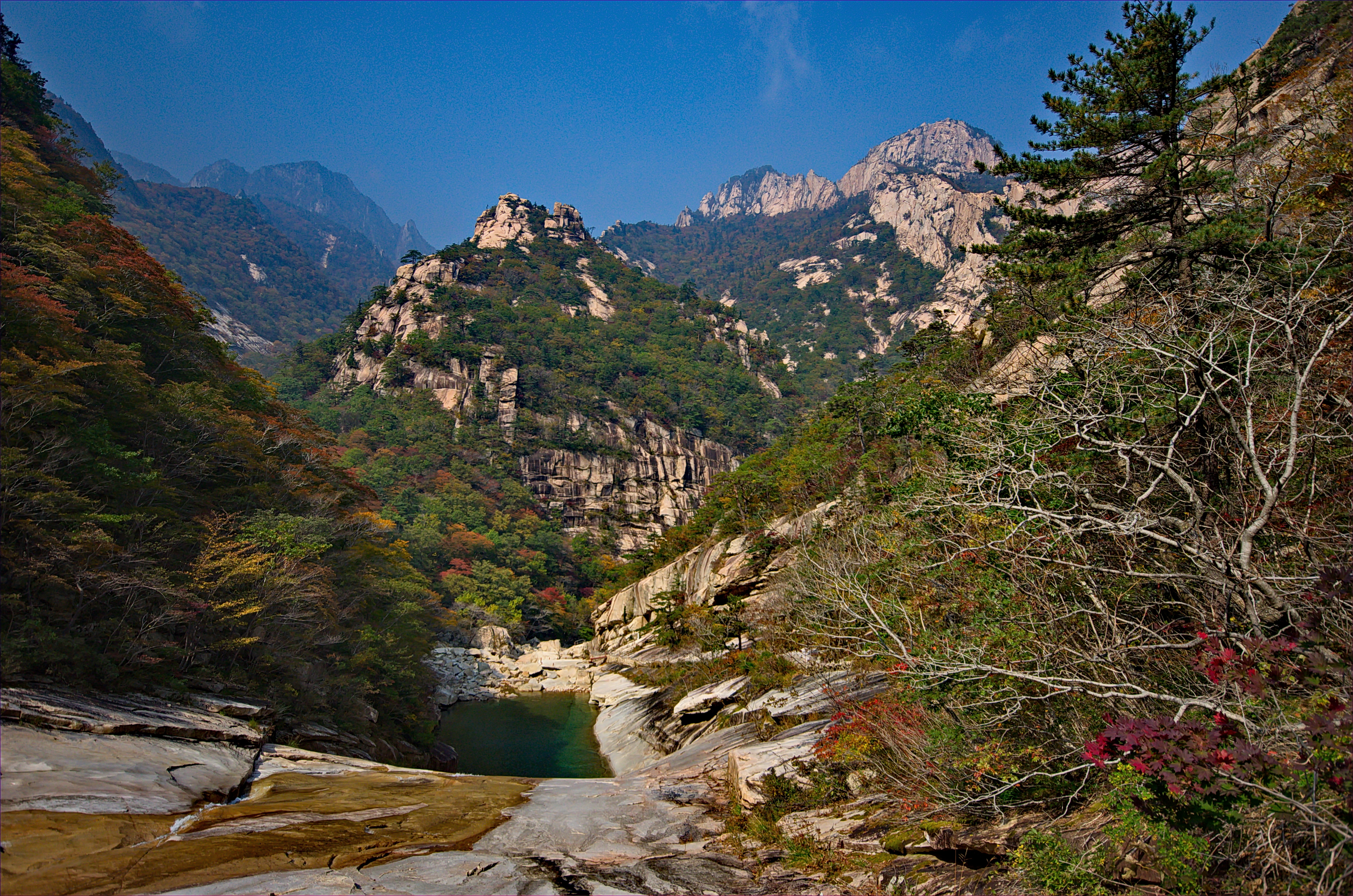
North Korea contains major Korean heritage sites, including UNESCO-listed Kaesong, the Complex of Koguryo Tombs, and Mount Kumgang, but current access is tightly controlled. FCDO advises against all but essential travel and says borders remain closed to general entry; any exceptional visit requires current operator, visa, route, and permission checks.

Oman
Oman is a large, low-density Arabian Peninsula destination where Muscat's coast, Nizwa's forts and souqs, Hajar mountain villages, wadis, desert camps, and Dhofar's frankincense landscapes create very different travel days. It rewards self-drive or guided routes, careful heat planning, and respect for local laws and current regional advice.

Pakistan
Pakistan combines exceptional mountain scenery, food, heritage, architecture, and regional culture across Lahore, Islamabad, Hunza, Skardu, Karachi, Taxila, Punjab, Sindh, and the Karakoram. It is not a casual itinerary: current advisories, restricted regions, permits, route clearance, and security planning must come first.

Palestinian Territories
Palestine is a geographically divided destination of the West Bank and Gaza Strip with exceptional living religious, archaeological, culinary, and cultural heritage. Bethlehem, Jericho, Ramallah, Nablus, and Hebron offer distinct West Bank experiences, but entry, checkpoints, road closures, and safety advice vary sharply by area; Gaza is not a normal tourist destination and current FCDO advice is against all travel.

China
China is a vast, high-impact travel country for Beijing, the Great Wall, Shanghai, Xi'an, Chengdu, Guilin/Yangshuo, Hangzhou, Yunnan, Sichuan, food, high-speed rail, mountains, temples, megacities, and deep history. It can be spectacular, but entry rules, apps, payments, language, censorship, and legal sensitivities require more preparation than many destinations.

Philippines
The Philippines is a high-reward island country for beaches, diving, surf, lagoons, waterfalls, rice terraces, food, nightlife, and very social travel. It should be planned as an island-transfer destination with strong regional safety nuance, not as a Manila-only or blanket high-risk profile.

Qatar
Qatar is a compact Doha, museum, desert, beach, dining, sports-event, and stopover destination. Strong routes combine Doha neighborhoods, Souq Waqif, Katara, major museums, Khor Al Adaid, Al Zubarah, mangroves, and beaches, with indoor options for the hottest months.

Saudi Arabia
Saudi Arabia combines AlUla and Hegra heritage with Riyadh and Diriyah, Jeddah and the Red Sea, Aseer mountains, Al Ahsa oasis, events, pilgrimage-adjacent travel, and long road routes. Regional heat, the lunar calendar, local law, and the current security advisory should shape every itinerary.

Singapore
Singapore is a polished, dense, food-first city-state for stopovers, families, urban exploring, business travel, hawker centres, skyline views, gardens, shopping, nightlife, and efficient transit. It is very beginner-friendly, but the old one-highlight profile missed the real neighborhood, food, family, and nature mix.

South Korea
South Korea is a highly polished city, food, pop-culture, history, nightlife, transit, hiking, beach, and island destination. A strong first-trip route links Seoul, Busan, Gyeongju, Jeju, and national parks, with reliable rail and practical visitor services.

Sri Lanka
Sri Lanka is a compact but varied island destination for beaches, surf, wildlife, ancient sites, tea hills, scenic trains, food, and social backpacking routes. It should be planned by monsoon coast and route style, not represented as a Colombo/Kotte city profile.

Syria
Syria is normally one of the world's richest heritage destinations, centered on Damascus, Aleppo, Palmyra, Bosra, Krak des Chevaliers, Hama, and ancient villages, but the current profile must lead with Level 4 Do Not Travel risk.

Taiwan
Taiwan is a compact, food-focused island with efficient rail travel, lively cities, hot springs, high mountains, east-coast scenery, temples, cycling, beaches, and strong regional contrasts from Taipei to Kenting and the offshore islands.

Tajikistan
Tajikistan is a landlocked Central Asian country where Silk Road heritage, Persianate culture, and a welcoming guesthouse tradition meet the Pamirs and Fann Mountains. It is best suited to travellers who can plan around permits, altitude, seasonal roads, and long distances between services.

Thailand
Thailand connects Bangkok, the north, and the beaches, but the rainy seasons differ between the Gulf and the Andaman coast. Choosing one region per trip keeps the plan calmer.

Türkiye
Turkey is a high-impact trip for Istanbul, Cappadocia, Ephesus, Pamukkale, the Aegean and Mediterranean coasts, bazaars, food, hammams, ancient sites, mosques, balloons, beaches, road trips, and regional cultures. It rewards good planning because distances, seasons, security advisories, heat, and visa rules vary sharply.

Turkmenistan
Turkmenistan is a largely desert Central Asian country on the Caspian Sea, known for Ashgabat's monumental architecture, Silk Road cities, the Karakum, mountain landscapes, and tightly managed visitor access. Expect a prepared, sponsor-led journey rather than conventional independent tourism.

United Arab Emirates
The United Arab Emirates is a polished city, beach, desert, shopping, dining, theme-park, business, and stopover destination led by Dubai and Abu Dhabi, with heritage and mountain escapes in Sharjah, Al Ain, Ras Al Khaimah, and Fujairah. Everyday tourist infrastructure is very easy, but current regional security guidance and strict local laws need much more care than the old low-risk profile suggested.

Uzbekistan
Uzbekistan is a high-value Silk Road, architecture, food, train, bazaar, and heritage destination centered on Samarkand, Bukhara, Khiva, Tashkent, Shakhrisabz, Fergana Valley crafts, and optional Nukus/Aral Sea extensions.

Vietnam
Vietnam is a high-value route country built around Hanoi, northern mountains, Ha Long/Lan Ha Bay, Ninh Binh, central heritage towns, Da Nang beaches, Ho Chi Minh City, the Mekong Delta, street food, coffee, and regional climate tradeoffs.

Yemen
Yemen has exceptional historic cities, highland architecture, Socotra's endemic landscapes, and ancient Sabaean sites, but this context is not a travel recommendation: FCDO and U.S. guidance currently say do not travel anywhere in Yemen, including Socotra.
Africa
58
Algeria
Algeria is Africa's largest country, with Algiers, Roman ruins, Constantine, the M'Zab Valley, Mediterranean coast, mountains, and Sahara landscapes, but visas, long distances, and security restrictions make it a destination for carefully planned travel.

Angola
Angola is a large Southern African country with Atlantic coast, desert landscapes, waterfalls, Portuguese-speaking cities, and difficult but rewarding overland routes. It is best approached as a planned or guided trip rather than an improvised beginner destination.

Benin
Benin is a compact West African culture trip for Vodun heritage, Ouidah, Abomey royal history, Cotonou markets and nightlife, Ganvie lagoon life, beaches, and wildlife ambitions in the north. Current security guidance makes northern parks and border areas a serious caution zone.

Botswana
Botswana is a premium safari and wilderness destination centered on the Okavango Delta, Moremi, Chobe, Makgadikgadi, Nxai Pan, and the Kalahari. Expect high costs and long, remote transfers, but exceptional wildlife, water-based safaris, birding, and rewarding 4x4 or guided routes.

Burkina Faso
Burkina Faso is a landlocked West African country with strong Mossi, Bobo, Lobi, and other cultural traditions, historic sites, and varied savanna landscapes. It is not currently a normal leisure destination: as of 1 August 2026, the UK FCDO advises against all travel and the U.S. State Department rates it Level 4. Treat places such as Ouagadougou, Bobo-Dioulasso, Banfora, and Loropéni as background for approved essential, professional, or research travel, not a recommendation to visit.

Burundi
Burundi is a small, densely populated Great Lakes country with Lake Tanganyika, rolling highlands, royal drum heritage, Bujumbura, Gitega, and protected areas such as Ruvubu and Kigwena. It has real cultural and nature appeal, but current political violence, crime, health, border, and access risks make it a destination for well-prepared travelers rather than casual first-timers.

Cape Verde
Cabo Verde is an Atlantic island destination for winter sun, beaches, kitesurfing, music, hiking, Creole culture, volcanic scenery, and island hopping. It should read as a multi-island beach-and-culture profile, not a rough Praia city list.

Cameroon
Cameroon combines bilingual city culture, rainforest, highlands, Atlantic coast, food, Mount Cameroon, Yaoundé, Douala, Kribi, Limbe, and West Region heritage. Current U.S. and FCDO restrictions make region-by-region planning essential.

Central African Republic
Central African Republic is a landlocked country of tropical forest, savanna, rivers, wildlife, and cultural heritage, including Dzanga-Sangha and Manovo-Gounda St Floris. Current security, health, kidnapping, landmine, and emergency-support risks make it a high-risk specialist context rather than a normal leisure destination.

Chad
Chad is a vast landlocked Sahel and Sahara country with the Ennedi Massif, the Lakes of Ounianga, Zakouma wildlife, Lake Chad, and a culturally diverse capital in N'Djamena. These landscapes have real expedition and research value, but current official guidance makes Chad unsuitable for ordinary leisure travel.

Comoros
Comoros is an Indian Ocean archipelago off East Africa in the northern Mozambique Channel. The Union comprises Grande Comore, Mohéli, and Anjouan; Mayotte is geographically part of the archipelago but remains under French administration. The destination combines active volcanic landscapes, tropical forests, beaches, and strong Swahili, Arab, Malagasy, and French influences.

Congo - Kinshasa
The Democratic Republic of the Congo spans the Congo Basin, the Congo River, eastern mountains, major mineral regions, Kinshasa’s music culture, and globally important wildlife reserves. Current U.S. Level 4 and FCDO regional warnings make it a specialist destination rather than a standard vacation choice.

Djibouti
Djibouti is a small Horn of Africa country at the Bab el-Mandeb strait, between Ethiopia, Eritrea, Somalia, and the Gulf of Aden. Its volcanic rift landscapes include salt lakes, desert plains, the Gulf of Tadjoura, and the cooler Goda Mountains and Day Forest.

Egypt
Egypt is a major bucket-list destination for Cairo, the Pyramids of Giza, Luxor, Aswan, Abu Simbel, Nile cruises, Alexandria, Red Sea diving and resorts, desert landscapes, Islamic and Coptic Cairo, and deep ancient history. It is high-impact but needs more planning than easy leisure destinations because heat, scams, safety advisories, and regional restrictions matter.

Equatorial Guinea
Equatorial Guinea is a specialist Central African destination for Malabo, Bioko rainforest and volcano landscapes, mainland parks, Spanish-influenced culture, and planned island add-ons. It rewards supported, permission-aware trips more than casual backpacking.

Eritrea
Eritrea is a restricted but culturally distinctive Horn of Africa destination for Asmara's modernist architecture, Red Sea history, Massawa, Keren, and marine landscapes. It is best approached as a planned specialist trip, not an easy independent route.

Eswatini
Eswatini is a compact Southern African kingdom for wildlife reserves, mountain scenery, craft markets, cultural sites, and short road-trip loops between South Africa and Mozambique. It is strongest for planned nature and culture stops, not beaches or nightlife.

Ethiopia
Ethiopia combines world-class heritage, coffee culture, highland trekking, archaeology, wildlife, and distinctive regional traditions around Lalibela, Gondar, Simien, Axum, Addis Ababa, Harar, Omo, Bale, and the Rift Valley. Current FCDO and U.S. regional restrictions are decisive for route planning.

Gabon
Gabon is a specialist Central African destination for rainforest parks, gorilla and mandrill habitats, Atlantic beaches, lagoons, waterfalls, and compact city bases. It rewards planned ecotourism more than casual budget travel.

Ghana
Ghana is one of West Africa’s more approachable travel countries, with Accra, Cape Coast, Elmina, Kakum, Kumasi, Ashanti heritage, food, music, beaches, and Mole wildlife. It is not low-risk, but it is a strong culture-first destination when route, health, and safety planning are realistic.

Guinea
Guinea is a specialist West African destination for Fouta Djallon highlands, waterfalls, Conakry music and markets, Loos Islands, Mount Nimba, and inland cultural routes. It rewards experienced, well-planned travel more than easy first-time tourism.

Guinea-Bissau
Guinea-Bissau is a specialist West African destination for Bissau, the Bijagos Archipelago, Orango wildlife trips, turtle islands, mangroves, Portuguese-Creole history, and slow boat-based travel. It can be rewarding, but it requires current safety checks, strong logistics, medical evacuation planning, cash, local contacts, and realistic buffers.

Côte d’Ivoire
Côte d'Ivoire is a West African country on the Gulf of Guinea. Abidjan is the economic and cultural center, Yamoussoukro is the political capital, and visitors come for Atlantic beaches, rainforests, wildlife, music, food and historic towns such as Grand-Bassam.

Kenya
Kenya is a high-value East Africa trip for Maasai Mara safaris, Amboseli elephants, Mount Kenya, Rift Valley lakes, Nairobi, Diani, Mombasa, Swahili coast culture, wildlife conservancies, beaches, hiking, and social group tours. It rewards careful planning around eTA entry, safety advisories, health prep, safari logistics, rain, and road transfers.

Lesotho
Lesotho is a landlocked mountain kingdom entirely surrounded by South Africa. Its high Maloti and Drakensberg landscapes support waterfalls, national parks, pony trekking, and rock-art sites, while Maseru is the practical base for supplies and cross-border travel. Plan for altitude, rapidly changing weather, rough interior roads, and limited emergency services.

Liberia
Liberia pairs Atlantic beaches and surf with Upper Guinean rainforest, wildlife, and a capital shaped by West African and diaspora histories. Monrovia is the practical base, while Robertsport, Sapo National Park, and Kpatawee offer high-value nature and adventure routes that need careful transport, health, and safety planning.

Libya
Libya has extraordinary ancient Mediterranean and Saharan heritage, including five UNESCO World Heritage properties, but current U.S. and UK guidance makes it a high-risk specialist context rather than a normal leisure destination. The highlights are cultural context only and do not override current entry, security, and access restrictions.

Madagascar
Madagascar is a high-effort, high-reward nature destination for lemurs, baobabs, rainforests, limestone tsingy, canyons, beaches, whales, and remote island routes. It is not beginner-simple: roads, safety, health, weather, and logistics matter as much as the sights.

Malawi
Malawi combines Lake Malawi beaches and islands with Liwonde and Majete safaris, Mount Mulanje and Nyika highlands, tea country, relaxed guesthouses, and friendly overland routes. Distances, road conditions, health planning, and limited emergency services still shape the trip.

Mali
Mali has exceptional West African heritage, including Timbuktu, Djenne, the Cliff of Bandiagara, and the Tomb of Askia. Current U.S. and UK guidance says not to travel, so this profile is cultural context for specialist or future planning, not a recommendation for ordinary leisure travel.

Mauritania
Mauritania is a Sahara-Sahel country where Chinguetti and Ouadane's caravan heritage, the Adrar desert and oases, and the bird-rich Atlantic coast of Banc d'Arguin are major cultural and natural draws. Current security advice makes this specialist travel rather than a casual independent destination.

Mauritius
Mauritius is an Indian Ocean island trip for beaches, lagoons, Le Morne, Black River Gorges, Chamarel, Grand Baie, Belle Mare, Port Louis, Rodrigues, snorkeling, diving, kitesurfing, resorts, road loops, and multicultural food. It is strongest for beach-plus-nature travel, with cyclone season, coast choice, crime precautions, and transport style shaping the trip.

Mayotte
Mayotte is a French overseas department in the Comoros archipelago, centered on Mamoudzou and a protected lagoon. The destination combines coral reefs, marine excursions, makis, Mont Choungui, Petite-Terre's Lac Dziani, and Mahoran culture shaped by Malagasy, Comorian, and French influences. Plan around limited accommodation, French-language services, and cyclone-season disruptions.

Morocco
Morocco is a high-value North Africa trip for Marrakech, Fez, Sahara dunes, Atlas mountains, Chefchaouen, Tangier, Essaouira, Agadir, Rabat, Casablanca, medinas, riads, food, surf, road trips, crafts, and desert camps. It rewards route planning because climate, scams, transport, and desert/mountain distances vary sharply.
Mozambique
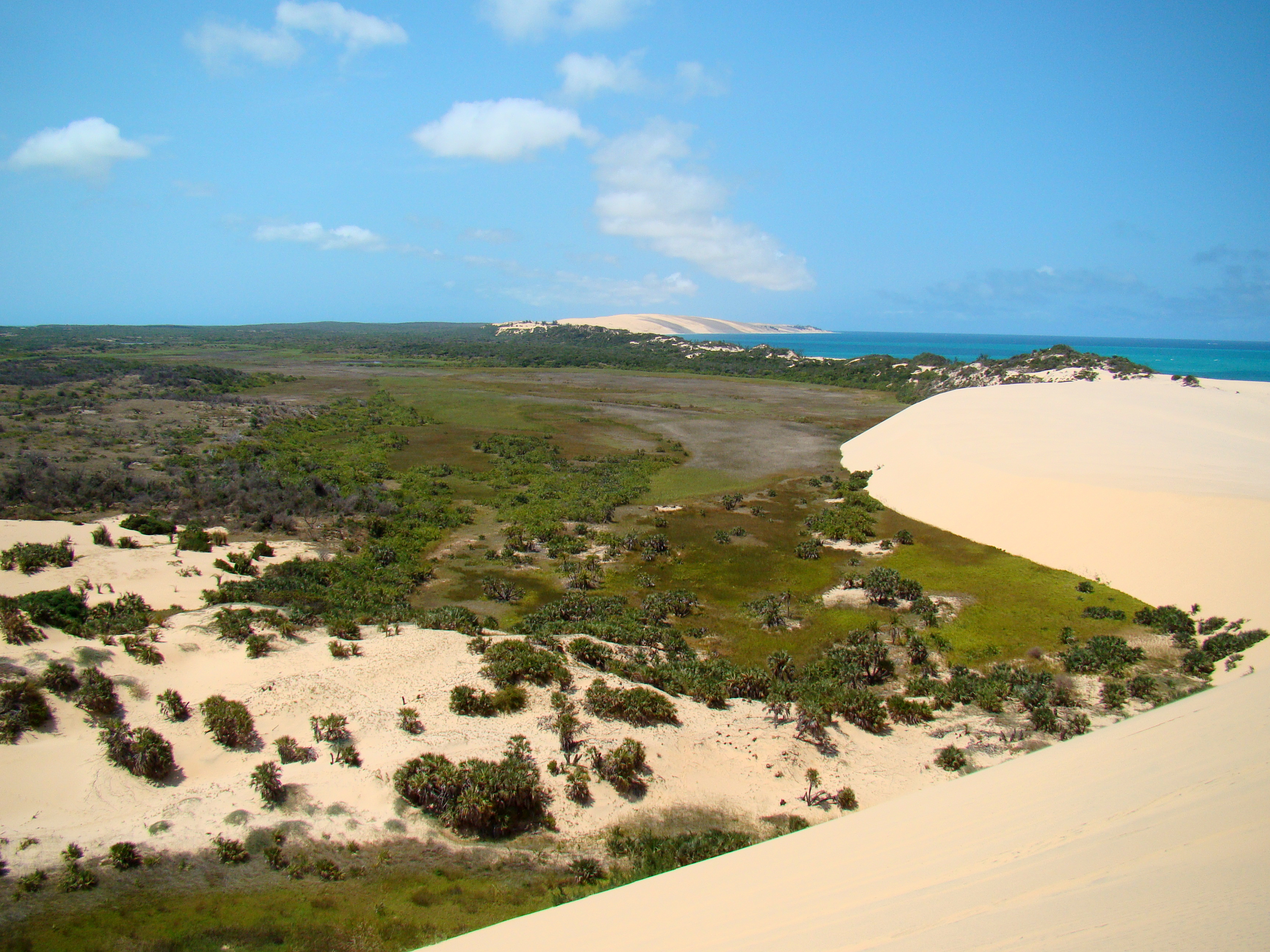
Mozambique stretches along the Indian Ocean from the South African border to the Rovuma River. Its travel appeal combines Portuguese- and Swahili-influenced coastal history, lively Maputo, wildlife areas such as Gorongosa, and beaches and marine habitats around Tofo and the Bazaruto Archipelago. Distances are large, and current regional security advisories make route selection essential.

Namibia
Namibia is a world-class self-drive and landscape destination for Sossusvlei, Etosha, Swakopmund, Skeleton Coast, Damaraland, Twyfelfontein, Fish River Canyon, desert lodges, wildlife, stars, dark skies, and huge distances. It is spectacular but logistics-heavy: road safety, crime precautions, fuel, water, health, and remote-route planning matter.

Niger
Niger spans the Niger River valley, Sahelian towns, the Aïr mountains, the Ténéré desert, and W-Arly-Pendjari wildlife landscapes. Agadez, Niamey, and the protected areas carry major cultural and natural value, but current U.S. and UK guidance says not to travel; this profile is context for specialist or future planning, not ordinary leisure advice.

Nigeria
Nigeria combines Lagos's music and creative energy, Abuja's civic and natural landmarks, Yoruba heritage in the southwest, Cross River culture and rainforest, and selected wildlife and savanna routes. Current planning must foreground the U.S. Level 3 advisory, FCDO area warnings, and route-by-route security checks.

Congo - Brazzaville
The Republic of the Congo, often called Congo-Brazzaville, is a Central African country built around the Congo River, Brazzaville, the Atlantic port of Pointe-Noire, and some of the Congo Basin's most important rainforest reserves. It is best approached as a French-speaking business, wildlife, and specialist-nature destination rather than an easy first-time backpacking route.

Rwanda
Rwanda is a compact highland destination built around gorilla trekking in Volcanoes National Park, Nyungwe rainforest, Akagera safari, Lake Kivu, Kigali culture, coffee, and scenic road routes. Park permits, wet-season road conditions, and current border guidance shape the itinerary more than distance alone.

Réunion
Réunion is a French Indian Ocean island where Creole culture, French infrastructure, volcanic landscapes, UNESCO-listed cirques, highland hikes, west-coast lagoons, and dramatic weather all fit into one compact destination. It rewards travelers who plan around altitude, road and trail conditions, and the cyclone season rather than treating every coast or mountain route as interchangeable.

St. Helena
Saint Helena, Ascension and Tristan da Cunha is a British Overseas Territory made up of three remote island groups in the South Atlantic. St Helena has the main visitor infrastructure, Ascension is a restricted working island with volcanic uplands, and Tristan da Cunha is a tiny community reached by ship; each requires separate entry and travel planning.

São Tomé & Príncipe
São Tomé and Príncipe is a tropical Gulf of Guinea archipelago of two main islands, known for volcanic peaks, rainforest, beaches, cocoa and coffee estates, and Portuguese-African heritage.

Senegal
Senegal is a culture, music, food, coast, heritage, and soft-adventure destination linking Dakar and Gorée with Saint-Louis, the Sine-Saloum, Petite Côte, and Casamance. Dry-season routes are easier, while heat, wet-season roads, ferry operations, and Casamance security guidance shape the itinerary.

Seychelles
Seychelles is a premium Indian Ocean beach, honeymoon, island-hopping, snorkeling, diving, nature, and slow-travel destination centered on Mahé, Praslin, La Digue, marine parks, and outer islands. Its appeal is island ecology, Creole culture, beaches, and marine protection rather than a capital-city stop.

Sierra Leone
Sierra Leone pairs Freetown's coastal heritage and peninsula beaches with rainforest, wildlife sanctuaries, islands, and community-led travel. It is best suited to travelers who are comfortable with advance planning, local cash, guided excursions, and slower overland connections outside the capital.
Somalia
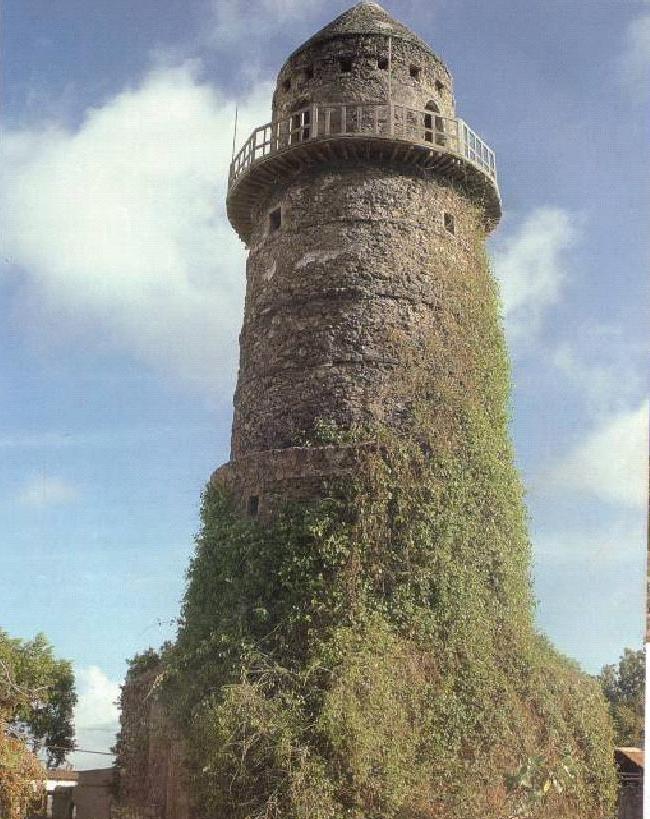
Somalia has major cultural, coastal, trade-route, and diaspora significance, from Mogadishu and Kismayo to Hargeisa, Berbera, and Laas Geel. Current terrorism, kidnapping, piracy, landmine, medical, visa-data, and consular-support risks make it a high-risk specialist context, not a normal leisure destination.

South Africa
South Africa is a high-impact trip for Cape Town, Table Mountain, Winelands, Garden Route, Kruger, private reserves, Johannesburg, Durban, Drakensberg, beaches, wildlife, food, wine, road trips, history, and social travel. It offers huge variety but requires serious safety, transport, and regional-season planning.

South Sudan
South Sudan is a landlocked East African country whose capital is Juba. The White Nile and the Sudd, Mt Kinyeti, Nimule, Boma, and Bandingilo represent its geographic and ecological range, but current U.S. and UK guidance advises against all travel because of conflict, crime, kidnapping, landmines, and health risks.

Sudan
Sudan is normally a major Nubian archaeology, Nile, desert, Red Sea, and cultural-history destination, but the current profile must lead with Level 4 Do Not Travel guidance and the collapse of safe tourism conditions during the ongoing war.

Tanzania
Tanzania combines safari, Kilimanjaro, and Zanzibar, but each piece needs its own transfer and recovery time.

Gambia
The Gambia is a narrow West African country wrapped around the lower Gambia River, with Senegal on three sides and the Atlantic at its mouth. Coastal resorts, river wetlands, bird-rich reserves, living communities, and UNESCO heritage sites make it a compact culture-and-nature destination.

Togo
Togo is a narrow West African country between Ghana and Benin, with Burkina Faso to the north and a short Gulf of Guinea coast. Its compact north-south corridor links Lomé's markets and beaches with the Plateaux mountains, waterfalls, Lake Togo, wildlife areas, and the Batammariba tower-houses of Koutammakou.

Tunisia
Tunisia is a compact North African trip for Roman ruins, medinas, Mediterranean beaches, desert-edge landscapes, Islamic heritage, resort towns, and strong food value. It is easier and cheaper than many regional trips, but current safety guidance means travelers should stay on established routes, avoid listed border and mountain areas, and plan transport carefully after dark.

Uganda
Uganda has exceptional gorilla, chimpanzee, safari, Nile, and mountain experiences, but long transfers, permits, remote logistics, regional weather, and the current Level 4 advisory make professional planning and careful risk review essential.

Western Sahara
Western Sahara is a disputed Atlantic desert territory. Most visitor infrastructure described here is in Moroccan-administered coastal areas around Laayoune, Tarfaya, Khnifiss, and Dakhla, where the appeal is long road routes, broad desert scenery, seafood, lagoon wildlife, and wind sports. Current FCDO restrictions, route sensitivities, and landmine risk mean this is specialist travel rather than a casual beginner destination.

Zambia
Zambia combines Victoria Falls and Livingstone adventure with some of southern Africa's strongest walking and river safaris in South Luangwa, Lower Zambezi, and Kafue, plus seasonal Kasanka and northern-circuit routes. The scale of the country makes route choice, transport, season, and budget central to the trip.

Zimbabwe
Zimbabwe combines Victoria Falls and Zambezi adventure with major safari areas, Great Zimbabwe, Matobo Hills, Lake Kariba, Bulawayo, and long overland routes. It rewards guided planning around distances, dry-season wildlife, wet-season access, cash logistics, and remote-area safety.
North America
41
Anguilla
Anguilla is a low-rise British Overseas Territory north of Saint Martin, built around white-sand beaches, clear water, seafood, villas, resorts, and slow beach-hopping days. It is easy for visitors who can afford it, but current crime guidance and peak hurricane-season weather still call for sensible planning.

Antigua & Barbuda
Antigua and Barbuda is a twin-island Caribbean country best known for beaches, sailing, Nelson's Dockyard, Shirley Heights, and Barbuda's quieter lagoon and pink-sand coast. It is easy for English-speaking visitors, but peak season, road conditions, and storm season change the trip dramatically.

Aruba
Aruba is a dry, breezy Dutch Caribbean island near Venezuela, best for easy beaches, reliable sunshine, resort comfort, desert-coast drives, snorkeling, and beginner-friendly Caribbean trips. Its compact size, strong visitor infrastructure, and outside-the-main-belt location make planning unusually straightforward, though prices and ocean conditions still matter.

Barbados
Barbados is an easy, English-speaking Caribbean island with excellent beaches, Bajan food and rum culture, UNESCO Bridgetown heritage, Atlantic-coast scenery, caves, gardens, and compact road-trip days. It is beginner-friendly but pricier than many islands, and wetter hurricane-season months need flexible planning.

Belize
Belize is an English-speaking Central American and Caribbean crossover for reef diving, cayes, Maya ruins, jungle lodges, caves, wildlife, Garifuna culture, and relaxed beach bases. It looks easy on paper, but crime hot spots, hurricane-season weather, and tour logistics need smart planning.

Bermuda
Bermuda is a polished North Atlantic island escape known for pink-sand beaches, clear water, British-Caribbean culture, Hamilton, the Royal Naval Dockyard, and UNESCO-listed St George. It is especially strong for first-time island travelers, couples, cruises, golf, beaches, and short U.S. East Coast getaways.

Caribbean Netherlands
Bonaire, Sint Eustatius, and Saba are three small Dutch Caribbean islands best understood separately: Bonaire for diving and arid landscapes, Saba for steep hiking and diving, and Statia for quiet history, The Quill, and low-key nature.

Canada
Canada is a continent-scale travel destination for Rockies road trips, Vancouver and the Pacific coast, Toronto, Montreal, Quebec City, Niagara Falls, Atlantic Canada, northern lights, wildlife, skiing, lakes, festivals, and national parks. It is safe and beginner-friendly, but expensive and distance-heavy, so route focus matters.

Cayman Islands
The Cayman Islands are a polished British Overseas Territory for Seven Mile Beach, diving, snorkeling, Stingray City, Grand Cayman resorts, and quieter Cayman Brac and Little Cayman escapes. The destination is easy and safe, but expensive and best planned around beaches, boats, and hurricane season.

Costa Rica
Costa Rica is a compact, nature-first destination for Arenal, Monteverde, Manuel Antonio, Tortuguero, Guanacaste, Nicoya, Puerto Viejo, wildlife, volcanoes, surf, beaches, cloud forest, and eco-lodges. It is beginner-friendly and social, but more expensive than many neighbors and still needs theft, road, weather, and ocean-safety planning.

Cuba
Cuba is a Caribbean destination for Havana, Trinidad, Viñales, Varadero, Santiago de Cuba, music, colonial towns, beaches, tobacco valleys, classic architecture, Afro-Cuban culture, and complicated modern history. It can be memorable and social, but entry paperwork, U.S. travel rules, cash, internet, shortages, blackouts, and transport reliability need serious planning.

Curaçao
Curaçao is a Dutch Caribbean island for colorful Willemstad streets, clear-water beaches, diving, snorkeling, beach clubs, road trips to western coves, and year-round warm weather outside the main hurricane belt.

Dominica
Dominica is the Caribbean's Nature Island: a mountainous, rainforest-heavy destination for waterfalls, hiking, diving, hot springs, Kalinago culture, whale watching, and rugged road trips rather than classic white-sand resort travel.

Dominican Republic
The Dominican Republic combines Punta Cana and Bávaro beaches, Santo Domingo's Colonial Zone, Samaná whales and waterfalls, Puerto Plata and Cabarete's north-coast activities, and the cooler mountains around Jarabacoa and Constanza. Resorts make a first visit easy, while independent routes need more care with crime, transport, and hurricane-season disruption.

El Salvador
El Salvador is a compact Central American route for Pacific surf, volcano hikes, coffee highlands, colonial-style towns, pupusas, and short road or shuttle journeys from San Salvador.

Greenland
Greenland is a remote Arctic destination for icebergs, fjords, whales, northern lights, dog sledding, Inuit culture, small towns, and expedition-style nature travel. It rewards planning, flexibility, and respect for weather more than spontaneous budget travel.

Grenada
Grenada is a southern Caribbean island destination for Grand Anse beaches, spice estates, diving, underwater sculptures, rainforest waterfalls, sailing, sister-island escapes, and a compact St. George's base.

Guadeloupe
Guadeloupe is a French Caribbean archipelago shaped around Grande-Terre's drier limestone coast and mountainous, rainforest-clad Basse-Terre. It combines beaches, island ferries, Creole food, and the active volcano La Soufrière.

Guatemala
Guatemala is a high-impact Central America destination for Antigua, Tikal, Lake Atitlán, Acatenango, Pacaya, Semuc Champey, Flores, Xela, Maya culture, Spanish schools, markets, volcanoes, jungle ruins, and backpacking routes. It is culturally rich and social, but safety, transport, altitude, rainy-season roads, and route choice need serious planning.

Haiti
Haiti has profound cultural, historical, and Caribbean appeal, especially the UNESCO-listed National History Park in the north, but current official guidance says not to travel. This profile is best read as future or specialist context, not ordinary leisure advice.

Honduras
Honduras pairs Copán's Maya archaeology with cloud forests, Caribbean islands, reefs, colonial towns, and remote protected landscapes such as Río Plátano. The country is in Central America.

Jamaica
Jamaica is a major Caribbean destination for Montego Bay, Negril, Ocho Rios, Kingston, Port Antonio, the Blue Mountains, waterfalls, reggae, dancehall, jerk food, rum, resorts, beaches, and lush east-coast scenery. It can be lively and memorable, but safety, transport, neighborhood choice, medical coverage, and hurricane-season planning matter.

Martinique
Martinique is a French Caribbean island known for Fort-de-France, Mount Pelée and the UNESCO-listed Pitons du Nord, Saint-Pierre's volcanic history, southern beaches, rum, and Creole food.

Mexico
Mexico is one of the world's major travel countries for Mexico City, Oaxaca, Yucatan, Riviera Maya, Baja, Pacific surf towns, colonial cities, ruins, cenotes, food, mezcal, beaches, deserts, mountains, and nightlife. It is huge, social, and rewarding, but safety, state-by-state routing, distances, weather, and entry-document details need deliberate planning.

Montserrat
Montserrat is a small British Overseas Territory in the eastern Caribbean, known for rainforest trails, black-sand beaches, Irish and African heritage, and the active Soufrière Hills volcano. Base yourself in the north for guided volcano history, local food, and quiet coastal walks; access to the buried south is controlled.

Nicaragua
Nicaragua is known as the land of lakes and volcanoes: Lake Nicaragua, Ometepe's twin volcanic peaks, Pacific surf beaches, Caribbean islands, and colonial León and Granada give the country a wide range of routes. Managua is the main air gateway, while the best itinerary depends on current conditions, language skills, and time between slow overland connections.

Panama
Panama is a compact but varied Central America destination for Panama City, the Canal, Casco Viejo, Bocas del Toro, San Blas/Guna Yala, Boquete, Santa Catalina, Coiba, rainforest, coffee, islands, beaches, and stopover trips. It is easier than many neighbors in parts, but Darien/Colombia-border risk, island logistics, weather, and city crime still need planning.

Puerto Rico
Puerto Rico combines a U.S.-linked Caribbean gateway with Spanish-speaking local culture, colonial San Juan, rainforest, bioluminescent bays, beach islands, surf towns, and mountain roads. It is well connected for eligible U.S. travelers, but a full-island trip needs a rental car or tours, weather buffers, and respect for currents, heat, and hurricane-season changes.

St. Barthélemy
Saint-Barthélemy is a small French Caribbean collectivity known for clear-water beaches, a protected marine reserve, sailing, French-Caribbean dining, and the compact harbor town of Gustavia. It is easy to explore in a few days, but high costs, narrow roads, short regional flights, and hurricane-season disruption make advance planning worthwhile.

St. Kitts & Nevis
Saint Kitts and Nevis is a two-island federation in the Eastern Caribbean, pairing St Kitts’s volcanic peaks, historic fortress, and compact capital with Nevis’s rainforest, hot springs, beaches, and preserved Charlestown. Ferries and water taxis make island-hopping possible, but weather and sea conditions can change the schedule.

St. Lucia
Saint Lucia is a mountainous Eastern Caribbean island where the UNESCO-listed Pitons, rainforest, volcanic springs, beaches, Creole culture, and lively north-coast evenings fit into one compact but hilly route. Castries, Soufrière, Rodney Bay, and Vieux Fort each offer a different base, and road times are often longer than distances suggest.

St. Martin
Saint Martin is the French northern side of a small Caribbean island shared with Sint Maarten. Marigot, Grand Case, Orient Bay, protected marine areas, French-Caribbean food, and short cross-border drives shape most visits.

St. Pierre & Miquelon
Saint-Pierre and Miquelon is a small French archipelago in the North Atlantic, south of Newfoundland and Labrador. Saint-Pierre is the main port and town, while Miquelon-Langlade offers open coast, wildlife, and fishing heritage across a quieter landscape.

St. Vincent & Grenadines
Saint Vincent and the Grenadines is an English-speaking Eastern Caribbean archipelago made up of a mountainous main island and smaller Grenadine islands. Saint Vincent offers rainforest, waterfalls, gardens, and the La Soufrière volcano; the Grenadines add sailing, reefs, beaches, and island-hopping.

Sint Maarten
Sint Maarten is the Dutch-side country on a shared Caribbean island, with Philipsburg's waterfront, Great Bay and Maho beaches, Fort Amsterdam, Simpson Bay's marinas, and an easy open-border link to French Saint-Martin. It suits travelers who want beach time, dining, nightlife, and compact island exploring with a well-developed visitor base.

Bahamas
The Bahamas is a high-value island destination for beaches, clear water, resorts, boating, island hopping, diving, fishing, nightlife, and Out Islands nature. Nassau and Paradise Island are the easiest first base, while Exumas, Eleuthera, Harbour Island, Abacos, Bimini, Grand Bahama, and Andros offer very different trip styles.

Trinidad & Tobago
Trinidad and Tobago is a southern Caribbean twin-island country just off the coast of Venezuela. Trinidad brings Port of Spain, Carnival, steelpan, food, rainforest, wetlands, and unusual geology; Tobago adds beaches, reefs, forests, and a slower island rhythm. Current security guidance should shape every itinerary.

Turks & Caicos Islands
Turks and Caicos is a British Overseas Territory built around clear-water beaches, reefs, boating, diving, and relaxed island stays. Providenciales and Grace Bay carry most resort infrastructure, Grand Turk adds history and cruise access, and North, Middle, South, and Salt Cay reward travelers who want quieter nature and slower island time.

United States
The United States is a continent-scale travel country for national parks, road trips, New York, California, the Southwest, Florida, Hawaii, Alaska, music cities, food regions, beaches, sports, museums, and varied landscapes. It is high-infrastructure and beginner-friendly in many places, but expensive and route-specific, with car dependence, entry rules, health-care costs, weather, state laws, and neighborhood safety requiring planning.

British Virgin Islands
The British Virgin Islands are a British Overseas Territory in the eastern Caribbean made up of Tortola, Virgin Gorda, Anegada, Jost Van Dyke, and more than fifty smaller islands and cays. About fifteen islands are inhabited; sailing, beaches, reefs, and protected landscapes define the visitor experience.

U.S. Virgin Islands
The U.S. Virgin Islands are a U.S. territory centered on St. Thomas, St. John, and St. Croix, with Water Island and smaller cays nearby. Charlotte Amalie is the capital; St. John contains Virgin Islands National Park, while St. Croix combines historic towns, plantations, and Buck Island Reef. Beaches, sailing, reefs, and layered Caribbean history define the visitor experience.
South America
15
Argentina
Argentina is a large South American country with a first-trip mix of Buenos Aires culture, Mendoza wine, Iguazú waterfalls, Andean northwest landscapes, and Patagonia's glaciers, lakes, hikes, and long-distance logistics.

Bolivia
Bolivia is a high-value South America adventure country for Uyuni salt flats, La Paz cable cars, Lake Titicaca, Sucre, Potosi, Andes routes, Amazon lodges, and Indigenous culture. It is inexpensive and spectacular, but altitude, roadblocks, protests, and remote logistics need serious planning.

Brazil
Brazil is a continent-scale travel country for Rio, beaches, samba, Salvador, Iguazu, the Amazon, Pantanal, colonial towns, dunes, islands, food, football, and huge domestic distances. It can be spectacular and social, but safety, language, route scale, and regional seasonality need careful planning.

Chile
Chile is a long, regionally diverse South American destination for Atacama deserts, stargazing, Santiago, Valparaiso, wine valleys, Lake District volcanoes, Chiloe, Patagonia, Torres del Paine, Carretera Austral, and Rapa Nui. It is spectacular for nature and road trips but can be expensive, distance-heavy, and weather-dependent.

Colombia
Colombia is a high-energy South America destination for Cartagena, Medellín, Bogotá, the Coffee Region, Tayrona, Minca, Caribbean beaches, salsa, food, nightlife, mountains, jungle, birding, and Amazon or Pacific extensions. It is one of the region's most social and varied trips, but safety and route selection need serious attention.

Ecuador
Ecuador is a compact but extremely varied destination for Galápagos wildlife, Quito, Cotopaxi, Otavalo, Baños, Cuenca, the Amazon, cloud forest, volcanoes, markets, beaches, and highland culture. It offers exceptional nature variety in a short trip, but safety, altitude, Galápagos logistics, and regional climate differences need careful planning.

Falkland Islands
The Falkland Islands are a remote South Atlantic wildlife destination for penguins, albatrosses, elephant seals, windswept beaches, Stanley history, and lodge-based island travel. They reward advance planning more than spontaneous budget travel.

French Guiana
French Guiana is an overseas department and region of France on the northeastern coast of South America, between Suriname and Brazil. Around 97% of its land is tropical rainforest, while Cayenne, Kourou, the Maroni River, the Kaw wetlands, the Salvation Islands, and the Guiana Space Centre create a distinctive mix of Amazonian nature, layered cultures, penal-colony history, and European infrastructure.

Guyana
Guyana is a specialist South American ecotourism destination for Kaieteur Falls, rainforest lodges, birding, wildlife, Rupununi savannahs, river journeys, and Georgetown culture. It requires safety-aware planning rather than casual first-time travel.

Paraguay
Paraguay is a low-key South American destination built around Asunción, the Jesuit Missions of Itapúa, Itaipú and Alto Paraná, big rivers, Guaraní culture, and remote Chaco and Pantanal landscapes. It rewards travelers who allow extra time for buses, weather, and long rural routes rather than expecting a dense checklist of headline attractions.

Peru
Peru is a flagship South America destination for Machu Picchu, Cusco, Sacred Valley, Lima food, Arequipa, Colca Canyon, Lake Titicaca, Huaraz, Nazca, Amazon lodges, trekking, archaeology, and Andean culture. It is one of the region's best backpacking and culture-nature trips, but altitude, ticket logistics, protests, safety, and long distances require planning.

South Georgia & South Sandwich Islands
South Georgia and the South Sandwich Islands are a British Overseas Territory of wild subantarctic islands in the Southern Ocean. There are no permanent residents: rotating government and British Antarctic Survey teams support science and administration, while visitors arrive by expedition vessel for tightly managed wildlife and heritage landings.

Suriname
Suriname is a Dutch-speaking country on South America's northeastern coast, with a culturally diverse capital, a historic UNESCO centre, river communities, coastal wetlands, and vast Amazonian forests inland.

Uruguay
Uruguay is a compact, relaxed South America destination for Montevideo, Colonia, Punta del Este, Jose Ignacio, Cabo Polonio, Rocha beaches, wine, estancias, football, asado, mate, and ferry pairings with Buenos Aires. It is approachable and good for slow travel, but more expensive than many neighbors and still needs normal crime, season, and transport planning.

Venezuela
Venezuela is normally a world-class nature and Caribbean destination for Angel Falls, Canaima, Los Roques, the Andes, Llanos, Orinoco, Caracas, and coastal routes, but the current profile must foreground Level 3 risk and Level 4 no-go regions.
Oceania
26
American Samoa
American Samoa is a remote U.S. territory in the South Pacific, centered on Tutuila with the Manu'a Islands, Rose Atoll, and Swains Island beyond it. It suits travelers who want Samoan culture, rainforest hikes, reefs, and quiet beaches more than polished resort infrastructure.

Australia
Australia is a continent-scale trip with beaches, reef, Outback, wildlife, First Nations culture, big cities, wine regions, rainforest, and road trips. It is easy to travel but impossible to cover well without choosing regions and seasons deliberately.

Cook Islands
The Cook Islands are a Polynesian beach and lagoon destination built around Rarotonga, Aitutaki, slow island time, reef-protected water, scooters, markets, culture nights, and small-plane outer-island logistics.

Fiji
Fiji is a South Pacific island destination for resorts, beaches, reefs, diving, families, honeymoons, kava culture, village visits, waterfalls, and island-hopping. Nadi and Denarau are the main gateways, while the Mamanucas, Yasawas, Coral Coast, Taveuni, and other islands offer very different ways to experience the country.

French Polynesia
French Polynesia is a South Pacific island destination for lagoons, overwater stays, diving, surf, whale season, volcanic mountains, Polynesian culture, and remote archipelagos. It is beautiful but expensive, so the best trips are planned around island groups and transport timing.

Guam
Guam is a U.S. Pacific island destination for Tumon beaches, diving, CHamoru culture, World War II history, cliff viewpoints, southern road loops, shopping, and short warm-weather breaks from East Asia and the U.S.

Kiribati
Kiribati is a remote Pacific country of 33 low-lying atolls spread across the Gilbert, Phoenix, and Line Islands. Travelers come for Tarawa history, maneaba culture, lagoons, fishing, birdlife, and outer-island community life, but sparse transport, limited services, water constraints, and climate exposure reward patient preparation.

Marshall Islands
The Marshall Islands are a remote atoll destination for Majuro logistics, lagoon scenery, diving, WWII and nuclear-history context, fishing, and specialist outer-atoll trips. They are generally safe but require patience around flights, boats, cash, medical limits, water quality, and permissions.

Micronesia
The Federated States of Micronesia is a dispersed Pacific destination for wreck diving, reefs, Nan Madol, Yap culture, Kosrae nature, and slow island travel. It rewards specialist divers and patient travelers more than casual beach-week planning.

Nauru
Nauru is a compact Pacific republic for travelers interested in phosphate-mining history, World War II remnants, Anibare Bay, Buada Lagoon, reef edges, caves, and a guided island loop. Its limited flights, accommodation, cash access, transport, and medical capacity make it a specialist short trip rather than an easy resort holiday.

New Caledonia
New Caledonia is a French Pacific overseas territory in the Coral Sea, east of Australia. Grande Terre, the Isle of Pines, and the Loyalty Islands combine a UNESCO-listed lagoon, high biodiversity, Kanak heritage, French-influenced cities, and long scenic drives. Travel is rewarding but expensive, and current local advisories should be checked before moving between regions.

New Zealand
New Zealand is a world-class road-trip, hiking, scenery, beach, wildlife, wine, campervan, and adventure destination, with very different North and South Island routes from Auckland and Rotorua to Queenstown, Fiordland, Aoraki, and the alpine east.

Niue
Niue is a tiny, safe, slow-paced island for snorkeling, caves, limestone chasms, whales, diving, coastal walks, and low-key self-drive exploration. It is not a resort-nightlife or cheap backpacker hub, but it is distinctive and rewarding with a rental vehicle, tide planning, and flexible flight timing.

Norfolk Island
Norfolk Island is an Australian external territory where subtropical forests, beaches, and a UNESCO-listed convict landscape meet a living Pitcairn-descended community. Kingston, Norfolk Island National Park, and the surrounding bays reward slower, car-based exploration; flights are limited and sea conditions can change quickly.

Northern Mariana Islands
The Commonwealth of the Northern Mariana Islands is a remote U.S. commonwealth in Micronesia, centered on Saipan with quieter Tinian and Rota nearby. Visitors come for white-sand beaches, reef and wreck diving, island scenery, Chamorro and Carolinian culture, and World War II history. The northern islands add volcanic landscapes but require specialist planning and current access information.

Palau
Palau is a premium marine and conservation destination built around the Rock Islands, diving, Jellyfish Lake, reefs, beaches, World War II history, waterfalls, and Koror logistics. It is generally safe and English-friendly, but costs, permits, conservation rules, weather, diving safety, UXO, and remote-island medical access need planning.

Papua New Guinea
Papua New Guinea is a remarkable but demanding destination for cultural festivals, diving, birding, trekking, islands, volcanoes, and remote communities. It can be unforgettable with expert local operators, but safety, logistics, health, weather, and route selection require far more care than a normal beach or backpacker trip.

Pitcairn Islands
The Pitcairn Islands are a tiny British Overseas Territory in the remote South Pacific: only Pitcairn is inhabited, while Henderson, Oeno, and Ducie are protected outer islands. The destination combines Bounty history, a small community, steep volcanic trails, clear waters, a vast marine reserve, and an International Dark Sky Sanctuary. Reaching it requires a long sea journey and careful insurance and medical planning, so it suits self-reliant slow travelers rather than a casual island break.

Samoa
Samoa is a strong South Pacific choice for beaches, waterfalls, lava fields, village culture, coastal drives, and relaxed fale stays. Upolu is the easiest first base, while Savai‘i adds quieter roads, wilder coast, blowholes, lava fields, and more planning around ferries, fuel, and cash.

Solomon Islands
Solomon Islands is a remote, culturally rich Pacific destination for diving, reefs, WWII history, lagoons, village stays, and low-key island travel. It is rewarding but not frictionless: safety, health, UXO, boats, weather, and limited services need careful planning.

Tokelau
Tokelau is a New Zealand territory made up of three low-lying coral atolls—Atafu, Nukunonu, and Fakaofo—north of Samoa. Its appeal is communal island life, lagoons, reefs, fishing, village culture, and extreme remoteness rather than conventional resort tourism.

Tonga
Tonga is a South Pacific island kingdom for humpback whales, reef-protected beaches, Tongan culture, royal history, and slower island-hopping. Tongatapu is the practical entry point, Vava‘u is the leading whale and sailing base, Ha‘apai offers quieter beaches and lagoons, and ‘Eua adds cliffs, forest, caves, and hiking.

Tuvalu
Tuvalu is an extremely remote atoll destination for travelers interested in Pacific community life, lagoons, low-key beaches, climate-vulnerable island culture, and slow travel. It is safe but logistically thin, so planning and flexibility matter more than sightseeing volume.

U.S. Outlying Islands
The United States Minor Outlying Islands are a statistical group of nine mostly uninhabited U.S. islands and atolls in the Pacific and Caribbean. They are valuable for conservation, marine science, and military or aviation history, but most are closed or permit-only and are not conventional tourist destinations.

Vanuatu
Vanuatu is a relaxed but logistically variable island destination for beaches, blue holes, diving, volcanoes, kastom culture, kava, and outer-island adventure. It works best for travelers who build in time for weather, boats, flights, and local island rhythms.

Wallis & Futuna
Wallis and Futuna is a remote French Pacific collectivity for travelers who want lagoon islets, traditional Polynesian culture, crater-lake scenery, Futuna mountain landscapes, and very slow island logistics. It suits self-directed planners more than casual resort trips because flights, accommodation, language, and inter-island movement need careful advance checking.
Antarctica
3
Antarctica
Antarctica is an extreme polar expedition destination, not a normal country trip. Most visitors go by small expedition ship to the Antarctic Peninsula in November-March for ice, penguins, seals, whales, and tightly managed landings.

Bouvet Island
Bouvet Island is an uninhabited Norwegian dependency and one of the world's most isolated islands, about 2,500 kilometres southwest of South Africa. It covers roughly 49 square kilometres, is almost entirely glacier-covered, and is protected as a nature reserve. The page should be read as expedition context, not as ordinary vacation planning.

Heard & McDonald Islands
Heard Island and McDonald Islands are uninhabited Australian external territories in the Southern Ocean, about 4,000 kilometres southwest of mainland Australia. They are a strict nature reserve and World Heritage area known for Big Ben, glaciers, active volcanic landscapes, penguins, seals, and severe expedition conditions.
Seven seas (open ocean)
1
No destinations match that search.