Antarctica
← Back to destinations

Antarctica

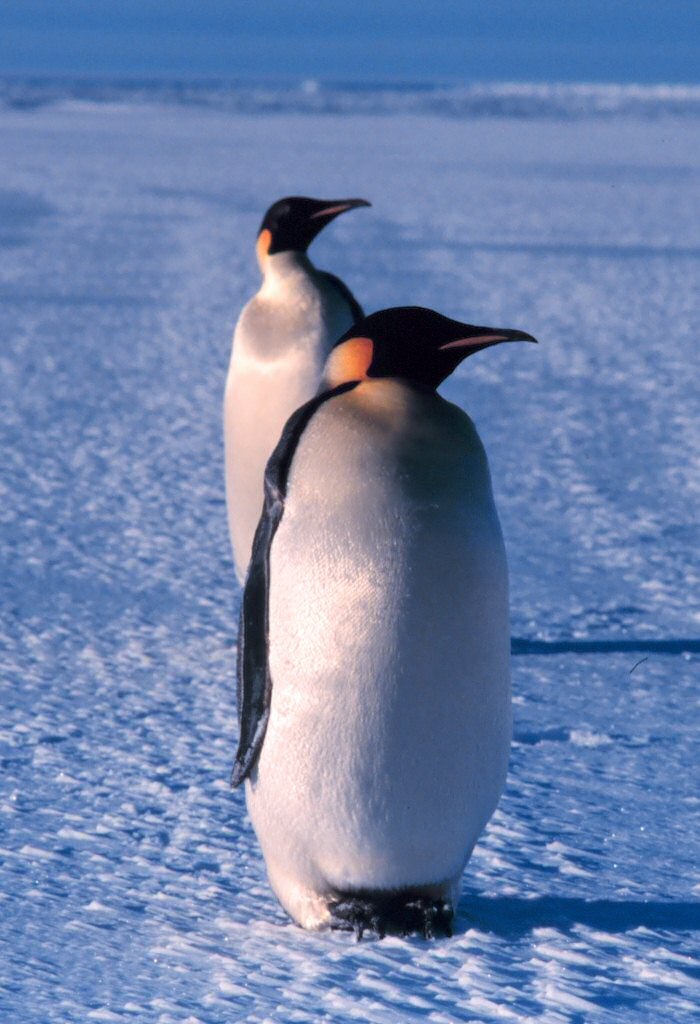
Antarctica is an extreme polar expedition destination, not a normal country trip. Most visitors go by small expedition ship to the Antarctic Peninsula in November-March for ice, penguins, seals, whales, and tightly managed landings.

Expedition cruiseWildlifeIce landscapesRemote travel

What this trip is really like

Antarctica is an extreme polar expedition destination, not a normal country trip. Most visitors go by small expedition ship to the Antarctic Peninsula in November-March for ice, penguins, seals, whales, and tightly managed landings.

Capital
No permanent capital
Population
No permanent population; seasonal research and support personnel vary by station and time of year.
Language
No official language
Currency
No official currency Currency converter ↗
Timezone
Antarctica/Palmer, Antarctica/McMurdo, Antarctica/Rothera, Antarctica/Troll, Antarctica/Casey
Ideal trip length
Depends on the route
Emergency
police: No universal number; contact expedition operator or local station, fire: No universal number; contact expedition operator or local station, medical: No universal number; contact expedition operator or local station

A good fit if you…

Nature

Getting around

Transport, language, entry, and safety are the details that shape how this trip feels day to day.

Getting around

Most tourists travel by small expedition ship from Ushuaia to the Antarctic Peninsula and South Shetland Islands; some fly-cruise or deep-field operators use specialist aircraft. There is no public transport or permanent tourist infrastructure, and weather, ice, and operator logistics determine every landing.

Language

English is widely used by expedition operators and many ships, but staff, scientists, and transit countries may use other languages.

English ease 2/5

Visa

Antarctica has no standalone tourist visa or immigration authority. Entry is route- and passport-dependent through the country of embarkation and transit, while Antarctic activities require the relevant Treaty Party's permission or advance notification. Organised expedition passengers should confirm that the operator has handled the required national-authority process; private U.S. trips must notify the State Department at least three months ahead.

Safety & health

The current U.S. advisory is Level 2 because extreme and unpredictable weather, environmental hazards, limited emergency services, and the absence of U.S. consular services make small problems serious.

Caution

Explore destination

These are the places that most strongly shape a first trip through Antarctica.

Best time, month by month

Antarctica tourism is mainly an austral-summer expedition season. November-March is the practical visitor window, with December-February best overall; April-October should be treated as avoid for normal tourists.

ExcellentGoodOkayLess ideal

October · Excellent

Low

October is early shoulder at best; most travelers should wait for the expedition season to open in November.

Climate at a glance

See the seasonal pattern month by month.

Temperature

-1 °C-5 °CJan
-7 °C-11 °CFeb
-16 °C-21 °CMar
-17 °C-23 °CApr
-21 °C-26 °CMay
-20 °C-27 °CJun
-22 °C-28 °CJul
-23 °C-29 °CAug
-21 °C-27 °CSep
-14 °C-20 °COct
-6 °C-11 °CNov
0 °C-4 °CDec

Precipitation

16 mmJan
29 mmFeb
15 mmMar
18 mmApr
21 mmMay
28 mmJun
17 mmJul
13 mmAug
10 mmSep
20 mmOct
12 mmNov
14 mmDec

Climate source →

Full Travel Fit

A wider view of how this destination matches different travel styles.

Backpacking1/5

Antarctica is not backpackable in the normal sense; access is via expensive permitted expeditions or specialist logistics.

Digital nomad1/5

Antarctica is not a realistic digital-nomad base: visitor access is expedition-based, connectivity is limited, and stays are tightly controlled.

Budget1/5

Antarctica is one of the most expensive leisure destinations because ships, flights, permits, insurance, and polar logistics dominate the cost.

Safety2/5

Risk is environmental and logistical rather than crime-led: cold, seas, remoteness, evacuation limits, and strict expedition rules matter.

Nightlife1/5

There is no town nightlife; evenings are ship- or camp-based and usually centered on lectures, meals, and expedition activities.

Nature4/5

Ice landscapes, penguins, seals, whales, seabirds, and polar wilderness are the entire purpose of most visitor trips.

Beach1/5

There are shore landings, but Antarctica is not a beach destination in the travel-fit sense.

Road trip1/5

Visitors move by expedition ship, zodiac, aircraft, or specialist polar vehicles, not by public roads or independent road trips.

Beginner-friendly1/5

It can be professionally operated, but cost, remoteness, rough seas, medical limitations, and strict environmental rules make it a poor beginner default.

Social2/5

The social experience is ship-based, with a small expedition group rather than towns, hostels, or nightlife.


A few words go a long way

English is widely used by expedition operators and many ships, but staff, scientists, and transit countries may use other languages.

English ease 2/5

Learn No official language for your trip →

Safety & health

The current U.S. advisory is Level 2 because extreme and unpredictable weather, environmental hazards, limited emergency services, and the absence of U.S. consular services make small problems serious.

Read more →

On the route

  • Use a reputable professional operator, ideally an IAATO member, and follow mandatory briefings and expedition-leader instructions for landings, wildlife distance, biosecurity, and weather changes.
  • Drake Passage crossings, zodiac landings, sea ice, strong wind, cold-water exposure, and fast-changing weather can cause injury or cancellations.
  • Private or deep-field trips need the relevant competent-authority approval or notification, self-sufficiency, and a credible medical-evacuation plan.

Health

  • There is no general public medical system for tourists; care and evacuation can be distant, delayed by weather, and extremely expensive.
  • Carry insurance covering medical evacuation and trip cancellation, and disclose relevant health issues to the operator before booking.
  • Cold injury, seasickness, falls on ice, dehydration, and fatigue are practical risks even on professionally operated trips.

Check the entry context for your passport

Antarctica has no standalone tourist visa or immigration authority. Entry is route- and passport-dependent through the country of embarkation and transit, while Antarctic activities require the relevant Treaty Party's permission or advance notification. Organised expedition passengers should confirm that the operator has handled the required national-authority process; private U.S. trips must notify the State Department at least three months ahead.

Read more →

Antarctica has no standalone tourist visa or immigration authority. Entry is route- and passport-dependent through the country of embarkation and transit, while Antarctic activities require the relevant Treaty Party's permission or advance notification. Organised expedition passengers should confirm that the operator has handled the required national-authority process; private U.S. trips must notify the State Department at least three months ahead.

Keep the details current

A short list of the most useful official, climate, tourism, and route references behind this guide.

5 source groups
View all sources

Open plan: Open the app

Transport, language, entry, and safety are the details that shape how this trip feels day to day.