Aruba
← Back to destinations

Aruba

Aruba is a dry, breezy Dutch Caribbean island near Venezuela, best for easy beaches, reliable sunshine, resort comfort, desert-coast drives, snorkeling, and beginner-friendly Caribbean trips. Its compact size, strong visitor infrastructure, and outside-the-main-belt location make planning unusually straightforward, though prices and ocean conditions still matter.

BeachesBeginner friendlyDesert natureNightlife

What this trip is really like

Aruba is a dry, breezy Dutch Caribbean island near Venezuela, best for easy beaches, reliable sunshine, resort comfort, desert-coast drives, snorkeling, and beginner-friendly Caribbean trips. Its compact size, strong visitor infrastructure, and outside-the-main-belt location make planning unusually straightforward, though prices and ocean conditions still matter.

Capital
Oranjestad
Population
About 110,000 residents (current official Aruba facts page)
Language
Dutch, Papiamento
Currency
Aruban florin Currency converter ↗
Timezone
America/Aruba
Ideal trip length
Depends on the route
Emergency
police: 100, medical: 911, fire: 911

A good fit if you…

Safety
Beach
Beginner-friendly
Social

Getting around

Transport, language, entry, and safety are the details that shape how this trip feels day to day.

Getting around

Aruba is compact and easy to explore by Arubus, licensed fixed-fare taxis, airport shuttles, or rental car. Buses link Oranjestad and the resort areas; a car or jeep is more useful for Arikok, Baby Beach, San Nicolas, and rougher north- and east-coast routes. Walking works best within compact resort or downtown zones.

Language

English is very useful across hotels, restaurants, beaches, tours, and taxis. Papiamento, Dutch, or Spanish help with local conversations away from resort areas.

English ease 3/5

Visa

Aruba entry is passport-dependent. Many visitors can enter visa-free for up to 30 days, while U.S. nationals may stay up to 90 days; other passports need the applicable Caribbean visa or exemption. Bring a passport valid for the entire stay, proof of onward or return travel, accommodation and funds, and the required medical coverage. Every passenger, including children, must complete and receive approval for the Aruba ED Card within 7 days before arrival; the current card includes a US$20 sustainability fee for air arrivals. Work, study, or longer stays require the correct permission.

Safety & health

The U.S. advisory remains Level 1, while current UK guidance notes petty theft, occasional street crime, and possible drug-related violent crime. Avoid remote areas at night and use licensed taxis.

Low risk

Explore destination

These are the places that most strongly shape a first trip through Aruba.

Best time, month by month

Aruba is one of the Caribbean's more reliable year-round beach choices. December-April is the strongest broad window, with January-April drier and cooler; May-October is windier and October-December wetter.

ExcellentGoodOkayLess ideal

April · Excellent

Shoulder

April is a strong shoulder month: usually dry, warm, and often better value than winter.

Climate at a glance

See the seasonal pattern month by month.

Temperature

31 °C24 °CJan
31 °C24 °CFeb
31 °C24 °CMar
32 °C24 °CApr
33 °C26 °CMay
33 °C26 °CJun
33 °C26 °CJul
34 °C26 °CAug
34 °C26 °CSep
33 °C26 °COct
32 °C25 °CNov
31 °C24 °CDec

Precipitation

35 mmJan
14 mmFeb
12 mmMar
11 mmApr
18 mmMay
27 mmJun
22 mmJul
17 mmAug
34 mmSep
79 mmOct
95 mmNov
61 mmDec

Climate source →

Full Travel Fit

A wider view of how this destination matches different travel styles.

Backpacking2/5

Aruba is easy but resort-priced, with limited hostel-style infrastructure compared with classic backpacker islands.

Digital nomad3/5

Longer stays can work around Oranjestad, Noord, or Palm Beach if the budget supports island housing and car or taxi costs.

Budget2/5

Apartment rentals, buses, and local food help, but Aruba is generally a higher-cost Caribbean beach destination.

Safety4/5

Aruba is low risk for most visitors, with ordinary theft, driving, heat, and ocean-safety precautions.

Nightlife3/5

Palm Beach and Oranjestad offer casinos, beach bars, restaurants, clubs, and resort nightlife without feeling like a party-only island.

Nature3/5

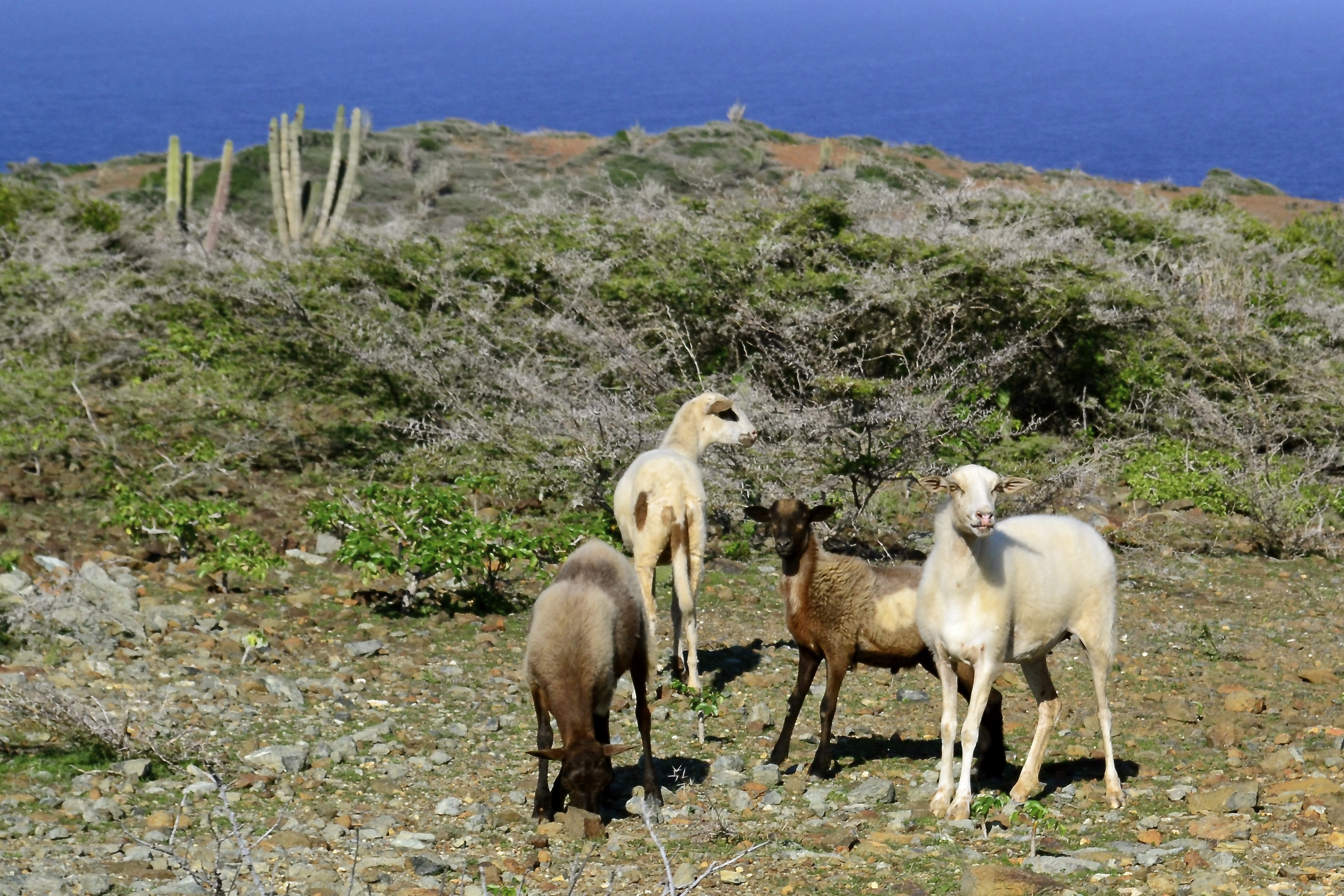
Arikok National Park, caves, desert cacti, rough coastline, natural bridges, and snorkeling add variety beyond the resort beaches.

Beach4/5

Beaches are the core fit, especially Eagle Beach, Palm Beach, Baby Beach, Arashi, and Manchebo.

Road trip3/5

A rental car is useful for Arikok, Baby Beach, San Nicolas, and beach-hopping, though the island is too compact for a long road trip.

Beginner-friendly4/5

English usefulness, low crime, safe drinking water, easy beaches, and steady weather make Aruba one of the easiest Caribbean choices.

Social4/5

Palm Beach, Oranjestad, beach bars, casinos, tours, and resort strips make social travel easy.

A few words go a long way

English is very useful across hotels, restaurants, beaches, tours, and taxis. Papiamento, Dutch, or Spanish help with local conversations away from resort areas.

English ease 3/5

Learn Dutch for your trip →

Safety & health

The U.S. advisory remains Level 1, while current UK guidance notes petty theft, occasional street crime, and possible drug-related violent crime. Avoid remote areas at night and use licensed taxis.

Read more →

On the route

  • Do not leave valuables in rental cars or unattended on beaches, and avoid walking remote areas at night.
  • Use licensed taxis and agree the fixed fare before travel; if driving, check IDP and rental-company requirements and take care on rough coast or off-road routes.
  • Aruba is outside the main hurricane belt, but tropical storms can still affect the island during June-November; monitor local weather and National Hurricane Center updates.

Health

  • Use strong sun protection and hydrate; trade winds can mask sun exposure.
  • Tap water is safe to drink.
  • Carry travel insurance or medical coverage; Aruba's official entry guidance lists coverage for medical expenses, emergency treatment, hospital care, and repatriation.

Check the entry context for your passport

Aruba entry is passport-dependent. Many visitors can enter visa-free for up to 30 days, while U.S. nationals may stay up to 90 days; other passports need the applicable Caribbean visa or exemption. Bring a passport valid for the entire stay, proof of onward or return travel, accommodation and funds, and the required medical coverage. Every passenger, including children, must complete and receive approval for the Aruba ED Card within 7 days before arrival; the current card includes a US$20 sustainability fee for air arrivals. Work, study, or longer stays require the correct permission.

Read more →

Aruba entry is passport-dependent. Many visitors can enter visa-free for up to 30 days, while U.S. nationals may stay up to 90 days; other passports need the applicable Caribbean visa or exemption. Bring a passport valid for the entire stay, proof of onward or return travel, accommodation and funds, and the required medical coverage. Every passenger, including children, must complete and receive approval for the Aruba ED Card within 7 days before arrival; the current card includes a US$20 sustainability fee for air arrivals. Work, study, or longer stays require the correct permission.

Keep the details current

A short list of the most useful official, climate, tourism, and route references behind this guide.

6 source groups
View all sources

Open plan: Open the app

Transport, language, entry, and safety are the details that shape how this trip feels day to day.