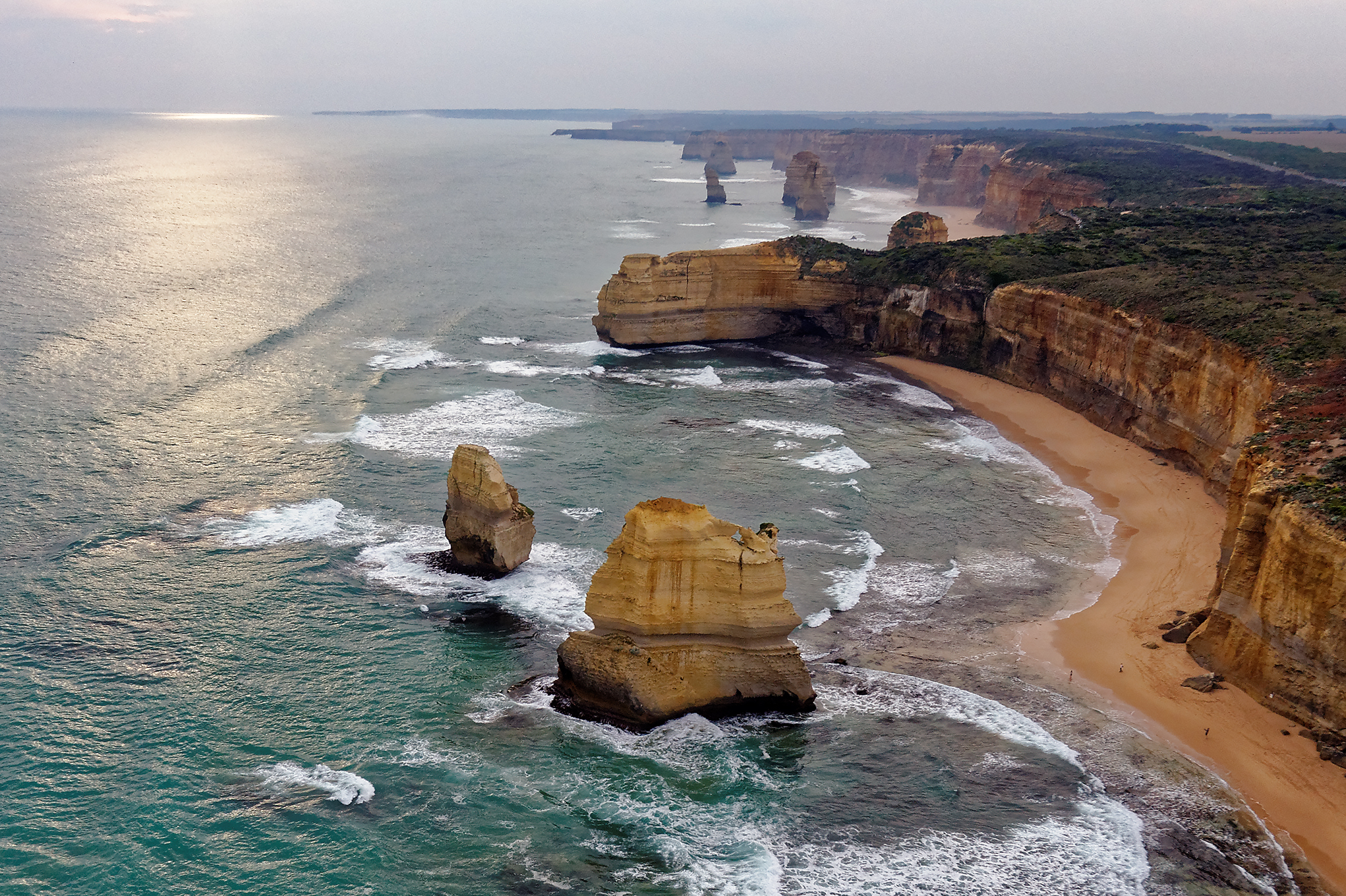
Australia
← Back to destinations

Australia

Australia is a continent-scale trip with beaches, reef, Outback, wildlife, First Nations culture, big cities, wine regions, rainforest, and road trips. It is easy to travel but impossible to cover well without choosing regions and seasons deliberately.

Road tripsBeachesWildlifeBig nature

What this trip is really like

Australia is a continent-scale trip with beaches, reef, Outback, wildlife, First Nations culture, big cities, wine regions, rainforest, and road trips. It is easy to travel but impossible to cover well without choosing regions and seasons deliberately.

Capital
Canberra
Population
27,801,023 (31 December 2025 estimated resident population)
Language
English
Currency
Australian dollar Currency converter ↗
Timezone
Australia/Perth, Australia/Darwin, Australia/Adelaide, Australia/Brisbane, Australia/Melbourne, Australia/Sydney, Australia/Hobart
Ideal trip length
Depends on the route
Emergency
police: 000, medical: 000, fire: 000

eSIM for Australia

Use the reference page for context, then check current plans in the Smart Planner.

Compare eSIM plans

A good fit if you…

Backpacking
Safety
Nightlife
Nature
Beach
Road trip
Beginner-friendly
Social

Getting around

Transport, language, entry, and safety are the details that shape how this trip feels day to day.

Getting around

Australia is too large for one overland itinerary. Domestic flights link major cities and regions; trains, coaches, ferries, local transit, rental cars, and campervans fill route-specific gaps. For self-drive trips, plan fuel, road conditions, fatigue, mobile coverage, state quarantine rules, and more time than straight-line distances suggest.

Language

English is the default for nearly all travel needs. First Nations place names and local slang may still take adjustment.

English ease 4/5

Visa

Australia is passport-dependent and all visitors need an Australian visa or travel authority before boarding. ETA-eligible passport holders apply through the Australian ETA app (subclass 601; up to 3 months per visit, with an AUD20 app service charge); eligible European passport holders may use the eVisitor (subclass 651), while many others need the Visitor visa (subclass 600). Check the exact passport, purpose, stay length, and work restrictions with Home Affairs before booking.

Safety & health

The U.S. State Department lists Australia at Level 1, Exercise Normal Precautions; official UK advice still highlights terrorism, petty crime, beach and wildlife hazards, remote-road risks, bushfires, floods, heat, and tropical cyclones.

Low risk

Explore destination

These are the places that most strongly shape a first trip through Australia.

Best time, month by month

Australia needs route-specific timing: March-May and September-October suit broad south/east routes, while May-October is generally best for the tropical north and reef and May-September suits many Outback routes.

ExcellentGoodOkayLess ideal

November · Excellent

Low

November can work for the south before peak holidays, while the north builds toward wet season and heat.

Climate at a glance

See the seasonal pattern month by month.

Temperature

29 °C13 °CJan
27 °C12 °CFeb
24 °C10 °CMar
21 °C7 °CApr
16 °C2 °CMay
12 °C1 °CJun
12 °C0 °CJul
13 °C0 °CAug
16 °C3 °CSep
20 °C6 °COct
23 °C9 °CNov
26 °C11 °CDec

Precipitation

54 mmJan
63 mmFeb
74 mmMar
36 mmApr
33 mmMay
52 mmJun
42 mmJul
59 mmAug
50 mmSep
49 mmOct
86 mmNov
67 mmDec

Climate source →

Full Travel Fit

A wider view of how this destination matches different travel styles.

Backpacking4/5

Australia has strong hostel, working-holiday, campervan, bus, and low-cost airline infrastructure, though distances and prices require planning.

Digital nomad3/5

Major cities and coastal hubs work well for remote stays, but visa conditions, housing costs, and long distances matter.

Budget2/5

Australia is expensive by global backpacker standards, especially for lodging, tours, fuel, and domestic flights.

Safety4/5

Crime risk is generally low, but natural hazards, beach safety, bushfire/flood seasons, and remote travel require good judgment.

Nightlife4/5

Sydney, Melbourne, Brisbane, Perth, Adelaide, and coastal resort towns offer strong bars, live music, food, sports, and event scenes.

Nature4/5

Reefs, beaches, rainforest, desert, alpine areas, islands, wildlife, and national parks are among Australia's biggest strengths.

Beach4/5

Australia is a top-tier beach country, from Sydney and Byron to Western Australia, Queensland islands, and Tasmania's wild coast.

Road trip4/5

Road trips are iconic, but routes must respect distance, fuel, fatigue, weather, and remote-service gaps.

Beginner-friendly4/5

English, strong infrastructure, low crime, and familiar services make Australia beginner-friendly if travelers do not underestimate distances and natural hazards.

Social4/5

Hostels, tours, surf towns, working-holiday routes, big-city food scenes, and events make social travel easy.


A few words go a long way

English is the default for nearly all travel needs. First Nations place names and local slang may still take adjustment.

English ease 4/5

Learn English for your trip →

Safety & health

The U.S. State Department lists Australia at Level 1, Exercise Normal Precautions; official UK advice still highlights terrorism, petty crime, beach and wildlife hazards, remote-road risks, bushfires, floods, heat, and tropical cyclones.

Read more →

On the route

  • Swim between the flags and follow beach, crocodile, marine-stinger, and park closures; conditions can change quickly.
  • Check Bureau of Meteorology and state or territory emergency warnings before driving or hiking, especially during bushfire, flood, cyclone, and heatwave periods.
  • For remote routes, carry extra water, fuel, navigation, and communications, drive in daylight, and plan fatigue breaks; distances are often much longer than maps suggest.

Health

  • Use high-SPF sunscreen, hats, shade, and hydration; UV and heat can be severe even when the air feels cool.
  • Travel insurance is important because medical care and evacuation can be expensive for visitors.
  • Use insect and tick precautions where relevant and follow park, marine, and wildlife safety notices.

Check the entry context for your passport

Australia is passport-dependent and all visitors need an Australian visa or travel authority before boarding. ETA-eligible passport holders apply through the Australian ETA app (subclass 601; up to 3 months per visit, with an AUD20 app service charge); eligible European passport holders may use the eVisitor (subclass 651), while many others need the Visitor visa (subclass 600). Check the exact passport, purpose, stay length, and work restrictions with Home Affairs before booking.

Read more →

Australia is passport-dependent and all visitors need an Australian visa or travel authority before boarding. ETA-eligible passport holders apply through the Australian ETA app (subclass 601; up to 3 months per visit, with an AUD20 app service charge); eligible European passport holders may use the eVisitor (subclass 651), while many others need the Visitor visa (subclass 600). Check the exact passport, purpose, stay length, and work restrictions with Home Affairs before booking.

Open plan: Open the app

Transport, language, entry, and safety are the details that shape how this trip feels day to day.