Austria
← Back to destinations

Austria

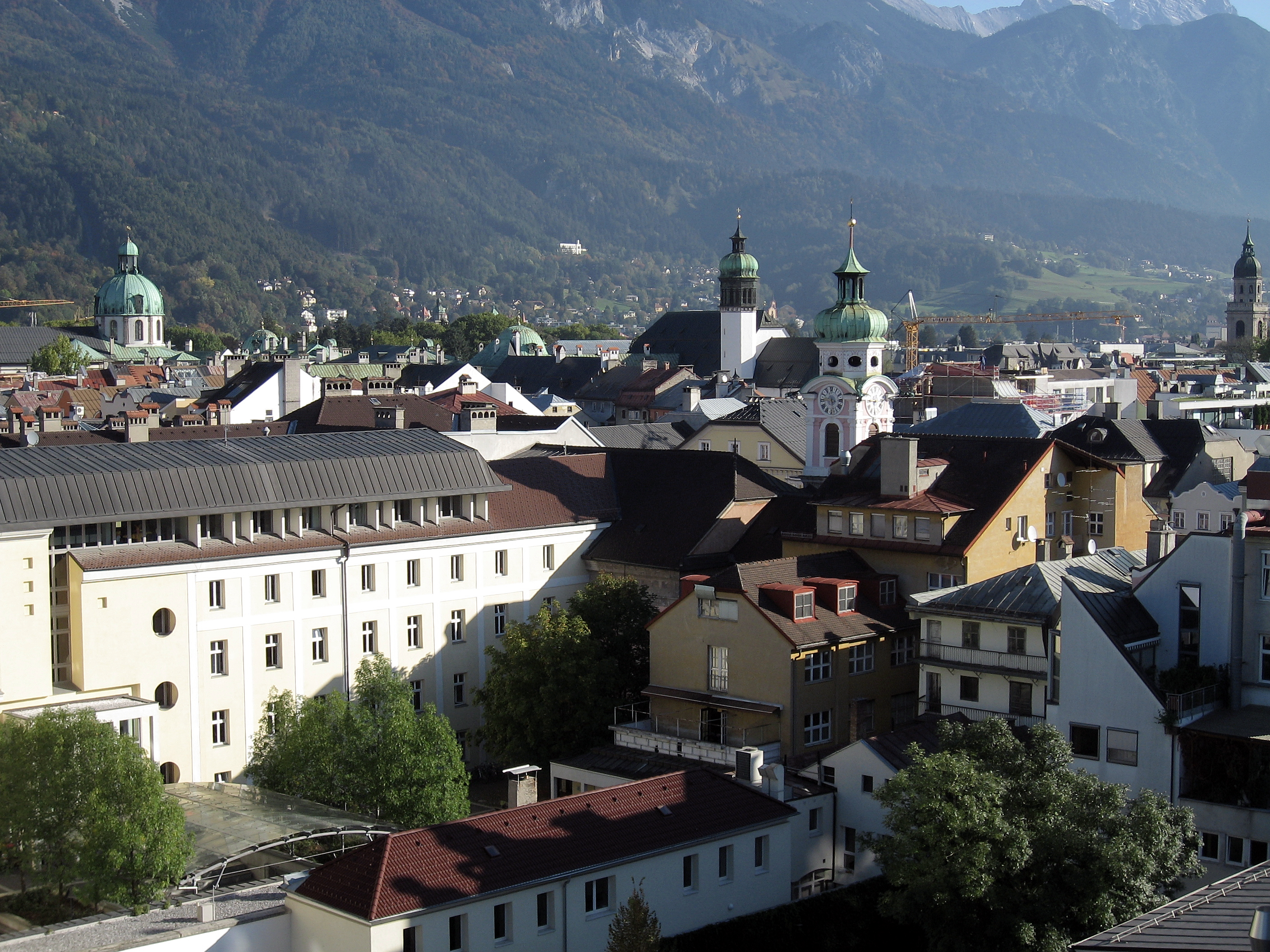
Austria is a polished Central European destination for Vienna culture, Salzburg music, alpine towns, skiing, summer hiking, lakes, Danube cycling, coffee houses, and efficient rail travel. It works well for first-time Europe trips, but the best route depends on whether the trip is city-led, ski-led, or summer-alpine.

CultureAlpsTrainsSkiing

What this trip is really like

Austria is a polished Central European destination for Vienna culture, Salzburg music, alpine towns, skiing, summer hiking, lakes, Danube cycling, coffee houses, and efficient rail travel. It works well for first-time Europe trips, but the best route depends on whether the trip is city-led, ski-led, or summer-alpine.

Capital
Vienna
Population
9,215,956 (1 January 2026 final population)
Language
German
Timezone
Europe/Vienna
Ideal trip length
Depends on the route
Emergency
police: 133, medical: 144, fire: 122

A good fit if you…

Safety
Nature
Road trip
Beginner-friendly
Social

Getting around

Transport, language, entry, and safety are the details that shape how this trip feels day to day.

Getting around

Austria's dense rail and bus network makes Vienna, Salzburg, Innsbruck, Graz, Linz, ski areas, and many lake or alpine towns accessible without a car. ÖBB Railjet and regional trains handle major corridors, while buses cover last-mile routes. A car helps remote valleys and flexible scenic routes, but motorway vignettes or tolls, parking, mountain roads, winter tires or chains, and weather need planning.

Language

English is widely useful in Vienna, Salzburg, Innsbruck, hotels, museums, and ski areas; basic German helps in rural valleys, guesthouses, and train disruptions.

English ease 3/5

Visa

Austria is in the Schengen Area. EU, EEA, and Swiss citizens can enter without a visa using a valid travel document; visa-exempt third-country visitors can generally stay up to 90 days in any 180-day period for tourism, visits, business meetings, or short study, but not paid work. Visa-required travelers need the appropriate Schengen visa, while stays over 90 days, work, study, or residence require a national visa or permit. Passport validity, proof of accommodation or funds, onward travel, and border-entry rules must be checked for the exact nationality and itinerary.

Safety & health

The U.S. State Department lists Austria at Level 1, Exercise Normal Precautions. Crime is generally low, but official UK advice highlights terrorism awareness, pickpocketing in city centres and stations, demonstrations, and extra planning for ski, avalanche, mountain, and winter-road risks.

Low risk

Explore destination

These are the places that most strongly shape a first trip through Austria.

Best time, month by month

Austria has two strong travel windows: June-September for cities, lakes, hiking, and alpine routes, and December-February for Christmas markets and skiing. April-May and October are good shoulder months.

ExcellentGoodOkayLess ideal

September · Excellent

Shoulder

September is one of the best months for hiking, cities, wine regions, lakes, and lower crowds after summer.

Climate at a glance

See the seasonal pattern month by month.

Temperature

4 °C-2 °CJan
6 °C-2 °CFeb
12 °C2 °CMar
18 °C6 °CApr
21 °C10 °CMay
26 °C14 °CJun
29 °C16 °CJul
28 °C16 °CAug
22 °C11 °CSep
16 °C6 °COct
10 °C3 °CNov
5 °C0 °CDec

Precipitation

36 mmJan
37 mmFeb
31 mmMar
41 mmApr
81 mmMay
70 mmJun
80 mmJul
70 mmAug
66 mmSep
46 mmOct
41 mmNov
28 mmDec

Climate source →

Full Travel Fit

A wider view of how this destination matches different travel styles.

Backpacking3/5

Austria is strong for backpackers who like trains, hostels, hiking, cities, and cross-border routes, though alpine resorts can be pricey.

Digital nomad3/5

Longer stays in Austria are most practical around Vienna; confirm accommodation, connectivity, and visa limits before committing.

Budget3/5

Rail passes, hostels, bakeries, and shoulder seasons help, but Vienna, Salzburg, and ski resorts are not cheap.

Safety4/5

Austria is low risk for most visitors, with alpine/weather precautions the main reason to plan carefully.

Nightlife3/5

Vienna, Graz, Salzburg, Innsbruck, ski towns, festivals, wine taverns, and classical-music venues give Austria a varied evening scene.

Nature4/5

The Alps, Salzkammergut lakes, Tyrol, Wachau, Hohe Tauern, and alpine villages make nature a central reason to visit.

Beach1/5

Austria is landlocked; lakes can be excellent in summer, but it is not a beach-led country.

Road trip4/5

Road trips are strong for alpine valleys, lakes, villages, and scenic passes, though Austria is also excellent by train and winter conditions need planning.

Beginner-friendly4/5

Safe cities, clear public transport, excellent rail, English in tourist areas, and strong visitor infrastructure make Austria very beginner-friendly.

Social4/5

Vienna, Salzburg, Graz, Innsbruck, ski resorts, festivals, hostels, wine taverns, and train routes make it easy to meet people.


A few words go a long way

English is widely useful in Vienna, Salzburg, Innsbruck, hotels, museums, and ski areas; basic German helps in rural valleys, guesthouses, and train disruptions.

English ease 3/5

Learn German for your trip →
Wo ist der Bahnhof?Where is the station?

Safety & health

The U.S. State Department lists Austria at Level 1, Exercise Normal Precautions. Crime is generally low, but official UK advice highlights terrorism awareness, pickpocketing in city centres and stations, demonstrations, and extra planning for ski, avalanche, mountain, and winter-road risks.

Read more →

On the route

  • Protect passports, wallets, and luggage at crowded stations, Christmas markets, tourist sights, and on international trains; validate public-transport tickets before travel.
  • Check local weather and avalanche conditions before hiking, skiing, off-piste activity, or mountain travel; use qualified guides for higher-risk routes.
  • Winter drivers should check road, tunnel, toll, and vignette requirements; carry suitable tires or chains and allow delays in alpine valleys.

Health

  • Carry travel insurance covering hiking, skiing, mountain rescue, helicopter evacuation, and repatriation where relevant.
  • Tick-borne disease and altitude sickness are possible in some areas; use tick protection and plan acclimatization for high routes.
  • Medical care is strong, but carry insurance and medication; call 144 for an ambulance or 112 for the European emergency service.

Check the entry context for your passport

Austria is in the Schengen Area. EU, EEA, and Swiss citizens can enter without a visa using a valid travel document; visa-exempt third-country visitors can generally stay up to 90 days in any 180-day period for tourism, visits, business meetings, or short study, but not paid work. Visa-required travelers need the appropriate Schengen visa, while stays over 90 days, work, study, or residence require a national visa or permit. Passport validity, proof of accommodation or funds, onward travel, and border-entry rules must be checked for the exact nationality and itinerary.

Read more →

Austria is in the Schengen Area. EU, EEA, and Swiss citizens can enter without a visa using a valid travel document; visa-exempt third-country visitors can generally stay up to 90 days in any 180-day period for tourism, visits, business meetings, or short study, but not paid work. Visa-required travelers need the appropriate Schengen visa, while stays over 90 days, work, study, or residence require a national visa or permit. Passport validity, proof of accommodation or funds, onward travel, and border-entry rules must be checked for the exact nationality and itinerary.

Keep the details current

A short list of the most useful official, climate, tourism, and route references behind this guide.

9 source groups
View all sources

Open plan: Open the app

Transport, language, entry, and safety are the details that shape how this trip feels day to day.