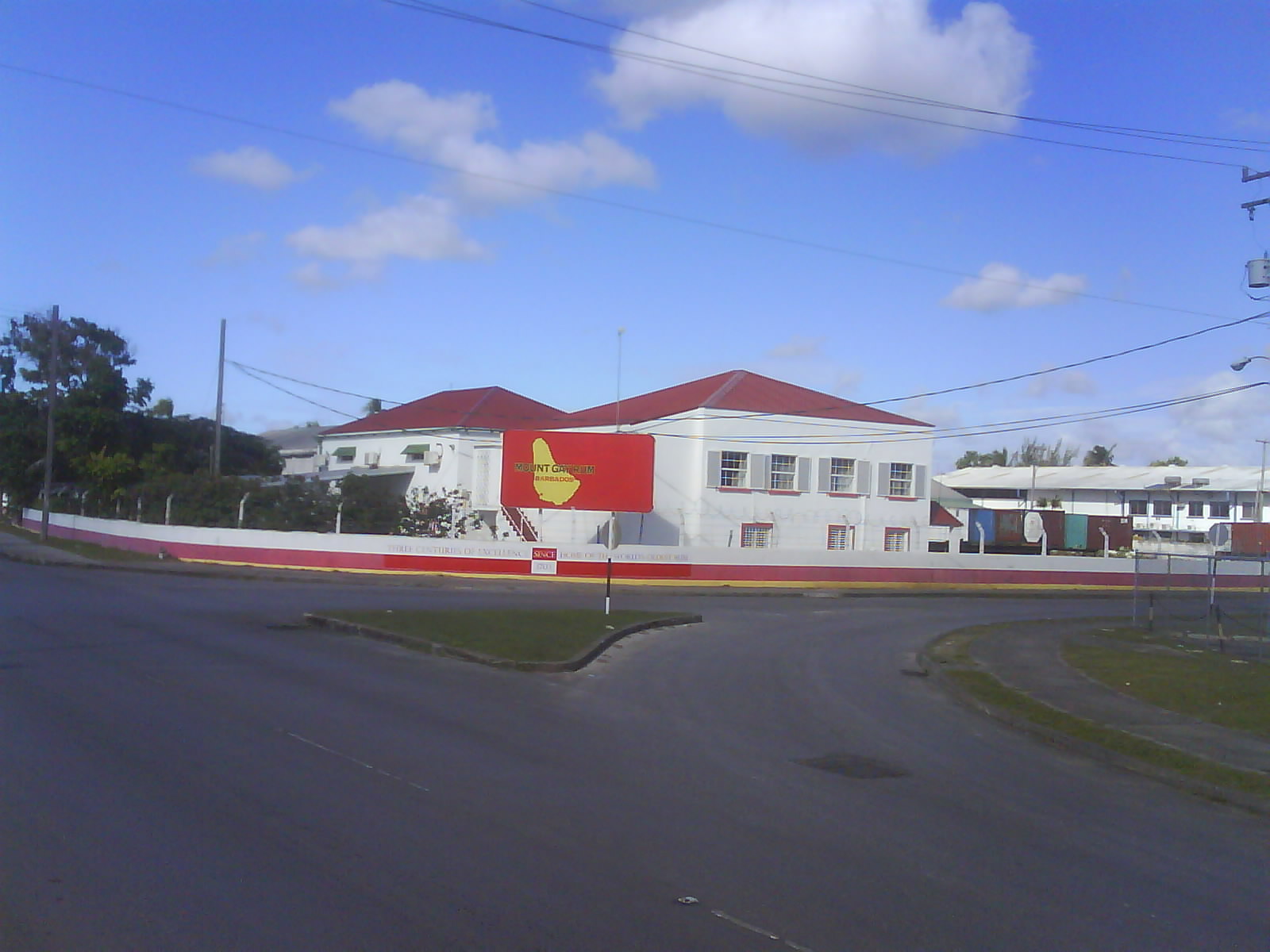
Barbados is easy to navigate but not especially cheap; backpackers do best with buses, guesthouses, local food, and shoulder-season timing.
Good English, connectivity, services, and the island's remote-work positioning help longer stays, but accommodation and daily costs are high.
Barbados is one of the pricier Caribbean islands; buses, local rum shops, fish cutters, apartments, and May-June timing help control costs.
Current official guidance is Level 1, with the main traveler risks being petty theft, road safety, sea conditions, sun exposure, and alcohol-related decisions.
St. Lawrence Gap, Oistins, Bridgetown-area venues, beach bars, rum shops, and hotel restaurants create a strong but not huge nightlife scene.
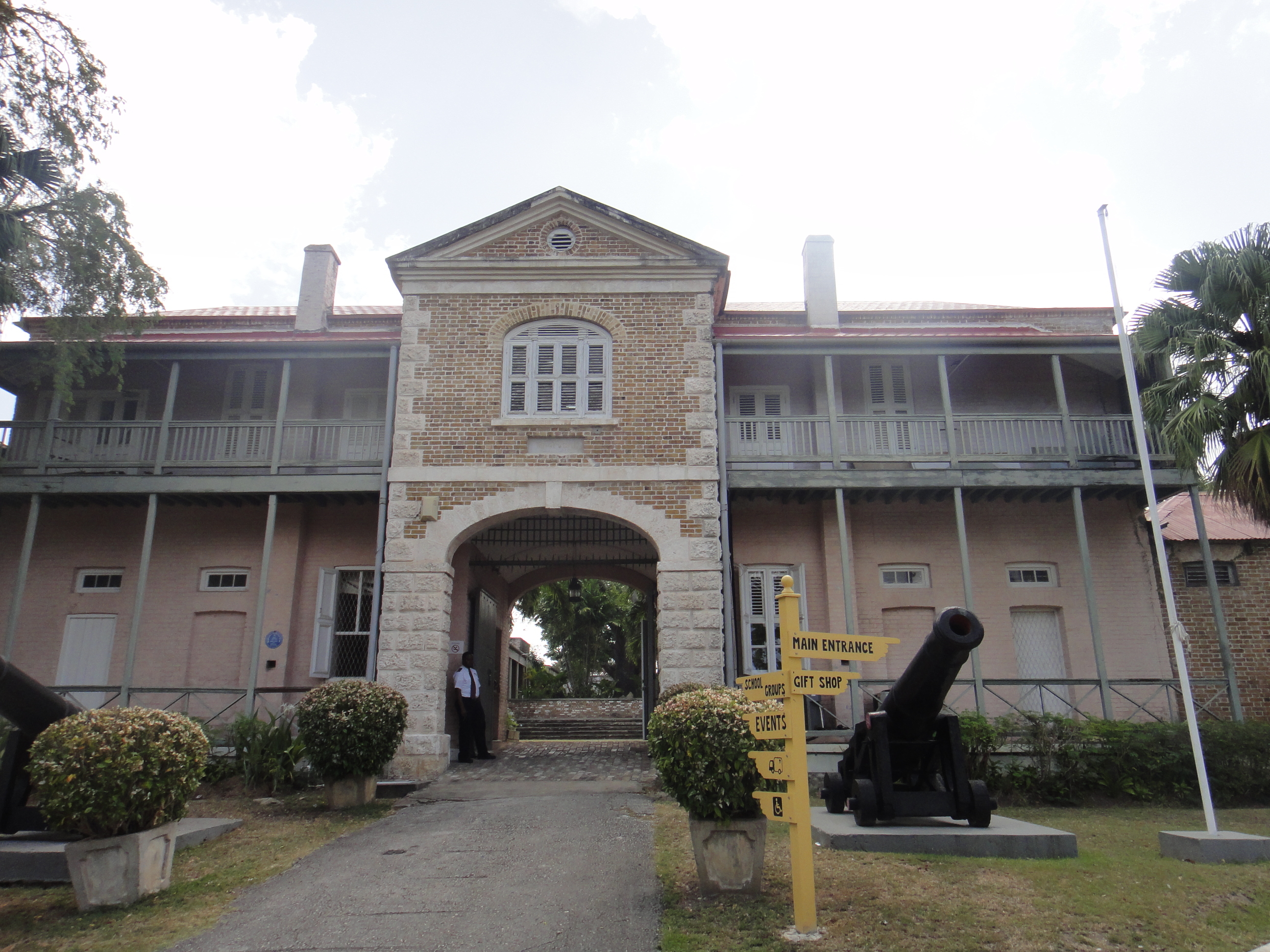
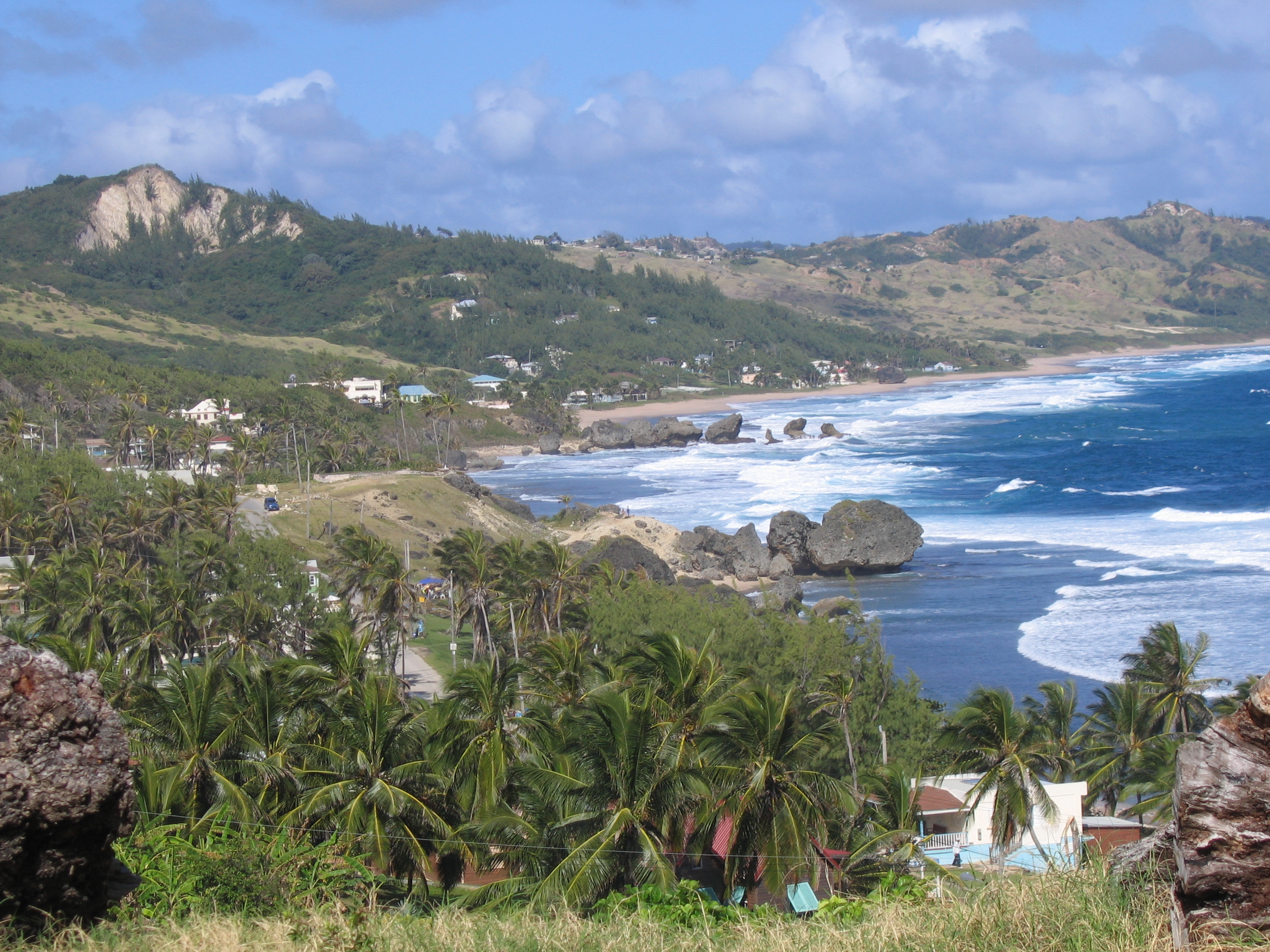
The island adds caves, gullies, gardens, east-coast surf scenery, turtles, reefs, and coastal walks to the beach experience.
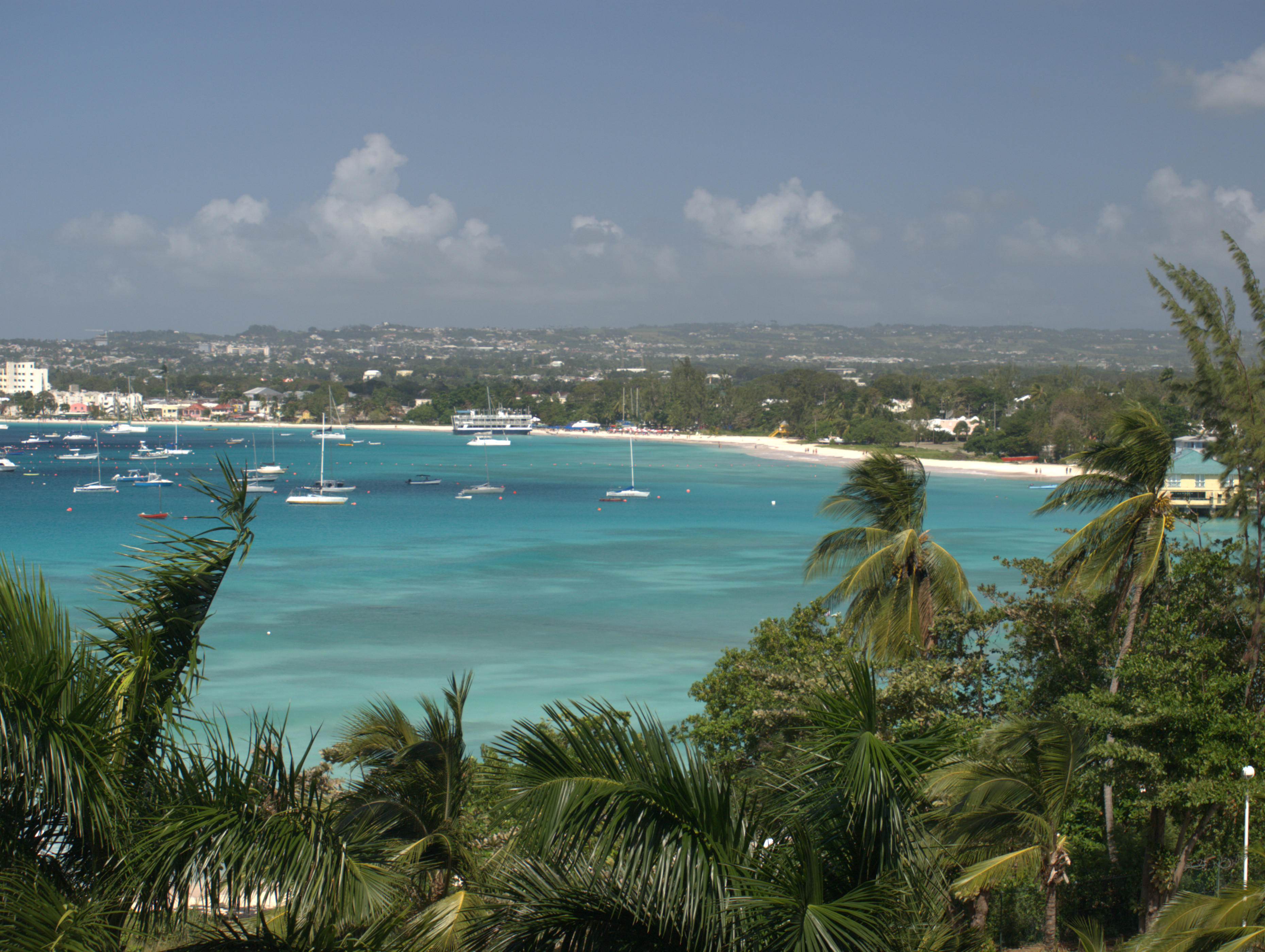
Calm west and south coast beaches, snorkeling, catamarans, surf breaks, and beach clubs make Barbados a strong beach destination.
A car or driver is useful for Bathsheba, Animal Flower Cave, gardens, and inland stops, though left-side driving and narrow roads require care.
English, short distances, mature tourism services, direct flights, and Level 1 advisory status make Barbados a strong first Caribbean trip.
Food nights, beaches, rum shops, tours, festivals, resorts, and expat/remote-work circles make social travel easy without needing a big backpacker scene.



.jpg)