Bhutan
← Back to destinations

Bhutan

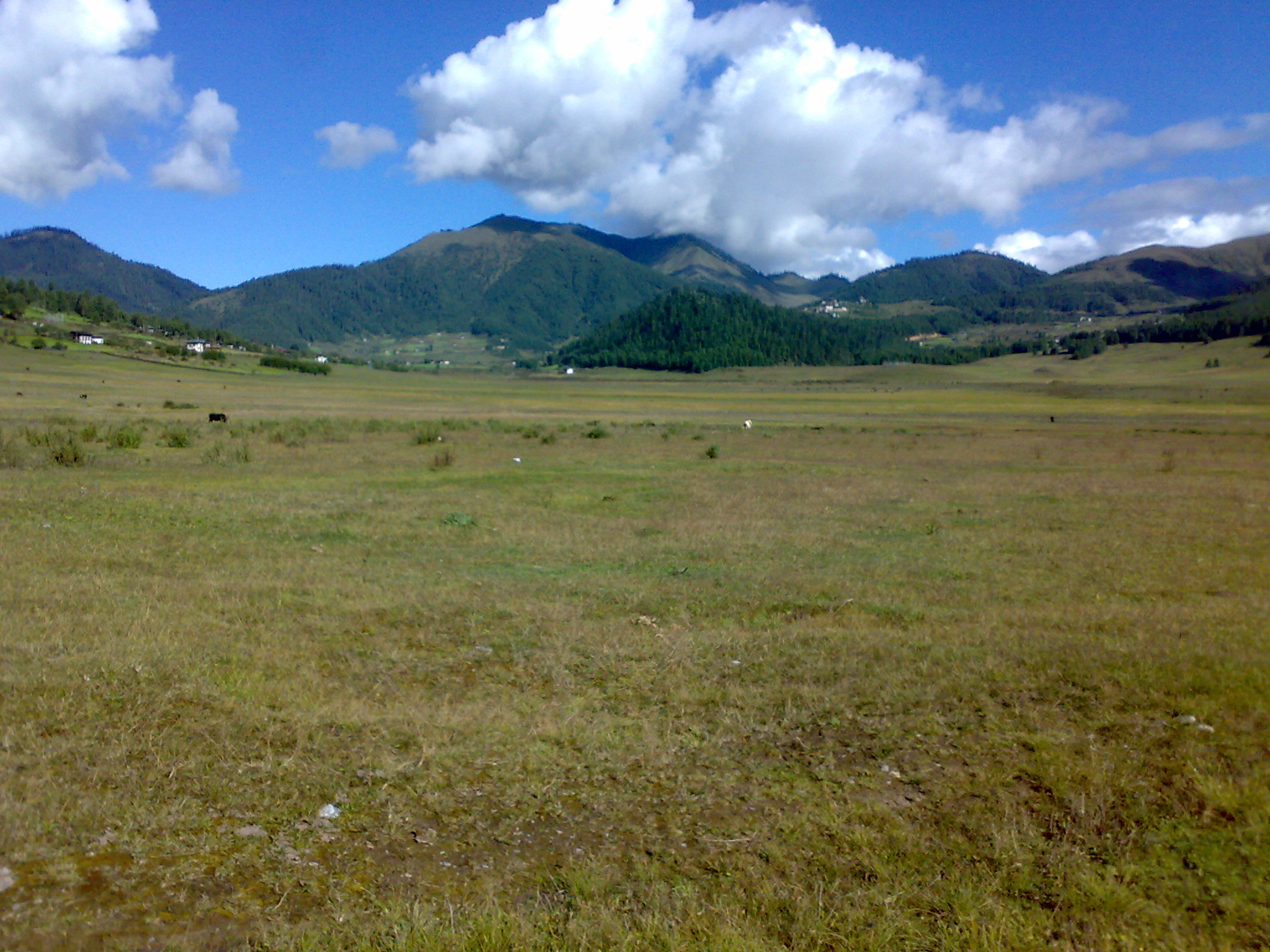
Bhutan is a high-value Himalayan culture and nature trip built around monasteries, dzongs, valleys, festivals, guided logistics, and the Tiger's Nest hike. It is safe and beautiful, but not budget travel: visas, the Sustainable Development Fee, altitude, and mountain roads shape every itinerary.

MonasteriesHimalayasCultureHigh cost

What this trip is really like

Bhutan is a high-value Himalayan culture and nature trip built around monasteries, dzongs, valleys, festivals, guided logistics, and the Tiger's Nest hike. It is safe and beautiful, but not budget travel: visas, the Sustainable Development Fee, altitude, and mountain roads shape every itinerary.

Capital
Thimphu
Population
784,043 (2025 NSB projection)
Language
Dzongkha
Currency
Bhutanese ngultrum, Indian rupee Currency converter ↗
Timezone
Asia/Thimphu
Ideal trip length
Depends on the route
Emergency
police: 113, medical: 112, fire: 110

A good fit if you…

Safety
Nature

Getting around

Transport, language, entry, and safety are the details that shape how this trip feels day to day.

Getting around

Most visitors use an accredited local driver, guide, hotel, or tourism service between Paro, Thimphu, Punakha, Bumthang, and valley stops; self-drive vehicles are not available. Roads are scenic but slow, winding, and weather-sensitive, while domestic flights can connect Paro with Bumthang, Gelephu, and Yonphula but may be delayed or cancelled by weather. Bhutan has no railways.

Language

English is widely used in education, tourism, hotels, guides, and official visitor settings. Dzongkha basics are still appreciated, especially in monasteries, villages, markets, and less-visited valleys.

English ease 3/5

Visa

Bhutan entry rules are passport-dependent. Most foreign visitors need a visa before travel, a non-refundable one-off US$40 visa fee, and the Sustainable Development Fee of US$100 per adult per night. Indian nationals follow a permit process and pay Nu. 1,200 per person per night; Bangladesh and Maldives passport holders follow the official visa or permit process for their nationality. Child concessions and the exact document requirements should be checked before payment.

Safety & health

The current U.S. advisory is Level 1: exercise normal precautions. Practical visitor risks are road conditions, landslides, altitude, weather, hiking, and limited medical facilities outside larger towns.

Normal precautions

Explore destination

These are the places that most strongly shape a first trip through Bhutan.

Best time, month by month

March-May and September-November are the strongest broad windows. Summer monsoon affects roads and views; winter is colder but can be clear and quieter.

ExcellentGoodOkayLess ideal

March · Excellent

High

March opens the spring season with flowers, festivals, clearer trails, and good conditions for Paro, Thimphu, Punakha, and lower treks.

Highlights in March

Paro Tshechu

Paro Tshechu is a major Bhutanese religious festival featuring traditional masked dances and ceremonies in and around Paro Dzong.

Where
Paro
Timing
Dates follow the Bhutanese lunar calendar and vary each year.

Climate at a glance

See the seasonal pattern month by month.

Temperature

8 °C-4 °CJan
9 °C-2 °CFeb
12 °C1 °CMar
14 °C4 °CApr
17 °C8 °CMay
19 °C10 °CJun
19 °C12 °CJul
19 °C11 °CAug
18 °C10 °CSep
15 °C5 °COct
12 °C0 °CNov
10 °C-3 °CDec

Precipitation

6 mmJan
17 mmFeb
39 mmMar
84 mmApr
87 mmMay
151 mmJun
248 mmJul
195 mmAug
135 mmSep
62 mmOct
5 mmNov
5 mmDec

Climate source →

Full Travel Fit

A wider view of how this destination matches different travel styles.

Backpacking1/5

Bhutan is not a classic backpacking destination because visa/SDF costs and structured logistics dominate budgets.

Digital nomad1/5

High daily fees, route structure, and limited long-stay infrastructure make Bhutan poor for digital nomads.

Budget1/5

The Sustainable Development Fee makes Bhutan intentionally high-cost compared with South Asia.

Safety4/5

Crime risk is low and current official guidance is Level 1, though roads, altitude, weather, and medical access need planning.

Nightlife1/5

Bhutan is culture, monastery, and nature-led; nightlife is limited and mostly around Thimphu.

Nature4/5

Himalayan valleys, forested hills, high passes, cranes, trekking, and mountain monasteries make nature a core strength.

Beach1/5

Bhutan is landlocked and not a beach destination.

Road trip2/5

Scenic drives are essential, but winding mountain roads, weather, and travel times make this driver/guide-led rather than casual self-drive.

Beginner-friendly3/5

Guided logistics and safety help, but altitude, cost, and mountain roads add friction for first-time travelers.

Social2/5

Social travel is mostly through guides, festivals, lodges, and small group tours rather than backpacker hubs.


A few words go a long way

English is widely used in education, tourism, hotels, guides, and official visitor settings. Dzongkha basics are still appreciated, especially in monasteries, villages, markets, and less-visited valleys.

English ease 3/5

Learn Dzongkha for your trip →

Safety & health

The current U.S. advisory is Level 1: exercise normal precautions. Practical visitor risks are road conditions, landslides, altitude, weather, hiking, and limited medical facilities outside larger towns.

Read more →

On the route

  • Use licensed operators or trusted local arrangements for routes, hikes, festivals, and long drives.
  • Mountain roads can be slow, winding, landslide-prone, and affected by snow or monsoon rain; use an accredited driver or operator and check conditions before long transfers.
  • Respect monastery rules, camera restrictions, dress norms, and restricted or border-area guidance; follow the current route arrangements of your guide or host.

Health

  • Plan for altitude, motion sickness, cold nights, strong sun, and limited emergency care outside Thimphu/Paro.
  • Carry travel insurance that covers evacuation and mountain activities.
  • Drink treated water and build rest time into high-elevation routes.

Check the entry context for your passport

Bhutan entry rules are passport-dependent. Most foreign visitors need a visa before travel, a non-refundable one-off US$40 visa fee, and the Sustainable Development Fee of US$100 per adult per night. Indian nationals follow a permit process and pay Nu. 1,200 per person per night; Bangladesh and Maldives passport holders follow the official visa or permit process for their nationality. Child concessions and the exact document requirements should be checked before payment.

Read more →

Bhutan entry rules are passport-dependent. Most foreign visitors need a visa before travel, a non-refundable one-off US$40 visa fee, and the Sustainable Development Fee of US$100 per adult per night. Indian nationals follow a permit process and pay Nu. 1,200 per person per night; Bangladesh and Maldives passport holders follow the official visa or permit process for their nationality. Child concessions and the exact document requirements should be checked before payment.

Keep the details current

A short list of the most useful official, climate, tourism, and route references behind this guide.

6 source groups
View all sources

Open plan: Open the app

Transport, language, entry, and safety are the details that shape how this trip feels day to day.