Caribbean Netherlands
← Back to destinations

Caribbean Netherlands

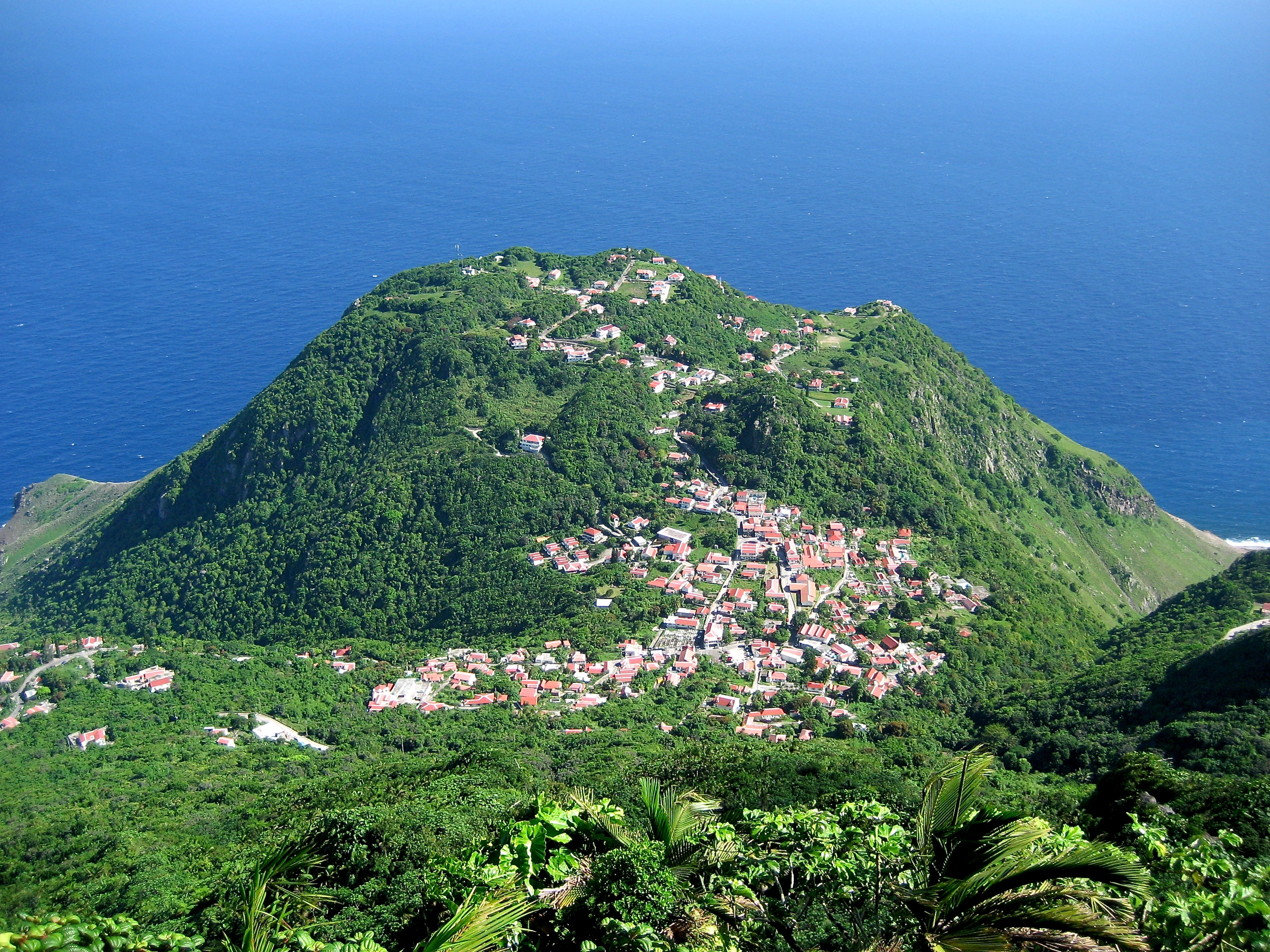
Bonaire, Sint Eustatius, and Saba are three small Dutch Caribbean islands best understood separately: Bonaire for diving and arid landscapes, Saba for steep hiking and diving, and Statia for quiet history, The Quill, and low-key nature.

DivingNatureQuiet islands

What this trip is really like

Bonaire, Sint Eustatius, and Saba are three small Dutch Caribbean islands best understood separately: Bonaire for diving and arid landscapes, Saba for steep hiking and diving, and Statia for quiet history, The Quill, and low-key nature.

Capital
Kralendijk
Population
33,229 residents across Bonaire (27,611), Sint Eustatius (3,348), and Saba (2,270), 1 January 2026
Language
English, Dutch, Papiamento
Currency
United States dollar Currency converter ↗
Timezone
America/Kralendijk
Ideal trip length
Depends on the route
Emergency
police: 911, medical: 911, fire: 911

A good fit if you…

Safety
Nature

Getting around

Transport, language, entry, and safety are the details that shape how this trip feels day to day.

Getting around

On Bonaire, a rental car is usually the most practical way to reach scattered dive sites, beaches, salt pans, and Washington Slagbaai; taxis have no meters and public minibuses are limited. Saba and Statia have no public transport, so plan taxis, local vehicles where available, and inter-island flights or ferries separately, checking schedules and sea conditions.

Language

English is useful across visitor services, especially on Saba and Statia; Dutch and Papiamento are also common on Bonaire.

English ease 3/5

Visa

Bonaire, Sint Eustatius, and Saba are Caribbean parts of the Kingdom of the Netherlands and outside Schengen. Visa eligibility is passport-specific: visa-exempt visitors normally get up to 90 days in a 180-day period, while Dutch and U.S. nationals may stay up to 180 consecutive days in any 365-day period. Some nationalities, including Indian passport holders with qualifying multiple-entry U.S. or Canadian visas or residence permits, may use an exemption; confirm the exact passport rule before booking. The passport must be no more than 10 years old and valid for the whole stay, with onward travel, accommodation or purpose evidence, sufficient funds, and medical or travel insurance covering at least USD 15,000 including emergency care and repatriation. Paid work requires a work permit, and local authorities can shorten or refuse a stay.

Safety & health

The current U.S. State Department advisory lists Bonaire, Sint Eustatius, and Saba at Level 1: exercise normal precautions; the advisory dated August 19, 2024 was reissued after periodic review without changes.

Level 1: Exercise normal precautions

Explore destination

These are the places that most strongly shape a first trip through Caribbean Netherlands.

Best time, month by month

Bonaire is warm year-round, with a relatively drier season around February to June and more rain roughly September to January.

ExcellentGoodOkayLess ideal

August · Excellent

Low

August is quieter and still warm, but Saba and Statia enter the wetter part of their season and tropical-weather disruptions matter more. Bonaire is generally the easier base.

Highlights in August

Saba Carnival

Saba Carnival brings music, colourful costumes and community celebrations to the small Caribbean island during its summer festival period.

Where
Saba
Timing
Dates vary by year or edition

Climate at a glance

See the seasonal pattern month by month.

Temperature

30 °C24 °CJan
30 °C24 °CFeb
30 °C24 °CMar
31 °C26 °CApr
32 °C26 °CMay
32 °C26 °CJun
32 °C26 °CJul
33 °C26 °CAug
33 °C27 °CSep
33 °C26 °COct
31 °C26 °CNov
31 °C25 °CDec

Precipitation

43 mmJan
17 mmFeb
13 mmMar
18 mmApr
23 mmMay
29 mmJun
40 mmJul
38 mmAug
32 mmSep
84 mmOct
113 mmNov
74 mmDec

Climate source →

Full Travel Fit

A wider view of how this destination matches different travel styles.

Backpacking2/5

The BES islands are expensive and logistically fragmented, so they are weak for classic backpacking. They work better for focused diving, hiking, or quiet nature trips.

Digital nomad2/5

Bonaire can support longer stays better than Saba or Statia, but costs, small-island services, car dependence, and stay rules limit nomad practicality.

Budget2/5

Flights, inter-island logistics, rental vehicles, imported goods, dive costs, and small accommodation markets keep budgets high compared with larger Caribbean or Latin American options.

Safety4/5

The islands are Level 1 and generally low crime. Main risks are water activities, hiking, rental-car theft, limited medical care, heat, and weather disruptions.

Nightlife1/5

Nightlife is very limited outside a few Bonaire bars and restaurants. These islands are better for early starts, diving, hiking, and quiet evenings.

Nature5/5

Bonaire reefs and salt pans, Klein Bonaire, Washington Slagbaai, Saba cloud forest, Mount Scenery, Statia's Quill, and marine parks make nature the strongest reason to visit.

Beach3/5

Bonaire and Klein Bonaire have good beach and snorkel stops, but Saba is not beach-led and Statia is quieter and more rugged, so beaches are not the only appeal.

Road trip3/5

Bonaire rewards a rental vehicle for dive-site and park access, but the islands are small and inter-island movement is by air or ferry rather than road routes.

Beginner-friendly3/5

Bonaire is fairly easy for experienced Caribbean travelers and divers, while Saba and Statia require more comfort with small planes, ferries, hiking, limited services, and quiet evenings.

Social2/5

Social travel mostly happens through dive shops, hiking guides, small bars, and guesthouses. These islands are not strong hostel or party destinations.


A few words go a long way

English is useful across visitor services, especially on Saba and Statia; Dutch and Papiamento are also common on Bonaire.

English ease 3/5

Learn English for your trip →

Safety & health

The current U.S. State Department advisory lists Bonaire, Sint Eustatius, and Saba at Level 1: exercise normal precautions; the advisory dated August 19, 2024 was reissued after periodic review without changes.

Read more →

On the route

  • Crime is generally opportunistic and non-violent, but pickpocketing, unattended bags, and rental-car theft or break-ins can occur; secure valuables and check rental coverage.
  • Dive with a buddy, stay within certification limits, and use extra caution on remote shore entries and boat trips because equipment oversight and rescue access can be uneven.
  • Saba and Statia hiking can involve steep trails, heat, rain, cloud, slippery surfaces, and limited rescue resources; check trail and weather conditions first.

Health

  • Quality medical care is limited compared with larger islands, and serious cases may require evacuation; keep medical or evacuation insurance current.
  • Sun, dehydration, reef cuts, sea conditions, mosquito bites, and ciguatera awareness are practical essentials, especially on remote excursions.
  • Yellow fever vaccination proof may be required if arriving from selected risk countries; check the CDC or local entry guidance for your route.

Check the entry context for your passport

Bonaire, Sint Eustatius, and Saba are Caribbean parts of the Kingdom of the Netherlands and outside Schengen. Visa eligibility is passport-specific: visa-exempt visitors normally get up to 90 days in a 180-day period, while Dutch and U.S. nationals may stay up to 180 consecutive days in any 365-day period. Some nationalities, including Indian passport holders with qualifying multiple-entry U.S. or Canadian visas or residence permits, may use an exemption; confirm the exact passport rule before booking. The passport must be no more than 10 years old and valid for the whole stay, with onward travel, accommodation or purpose evidence, sufficient funds, and medical or travel insurance covering at least USD 15,000 including emergency care and repatriation. Paid work requires a work permit, and local authorities can shorten or refuse a stay.

Read more →

Bonaire, Sint Eustatius, and Saba are Caribbean parts of the Kingdom of the Netherlands and outside Schengen. Visa eligibility is passport-specific: visa-exempt visitors normally get up to 90 days in a 180-day period, while Dutch and U.S. nationals may stay up to 180 consecutive days in any 365-day period. Some nationalities, including Indian passport holders with qualifying multiple-entry U.S. or Canadian visas or residence permits, may use an exemption; confirm the exact passport rule before booking. The passport must be no more than 10 years old and valid for the whole stay, with onward travel, accommodation or purpose evidence, sufficient funds, and medical or travel insurance covering at least USD 15,000 including emergency care and repatriation. Paid work requires a work permit, and local authorities can shorten or refuse a stay.

Keep the details current

A short list of the most useful official, climate, tourism, and route references behind this guide.

5 source groups
View all sources

Open plan: Open the app

Transport, language, entry, and safety are the details that shape how this trip feels day to day.