

Getting around
Travel usually combines buses, limited trains, rental cars, tours, and taxis. Roads are scenic but slow in mountains; winter weather, border crossings, and landmine awareness matter off main routes.

Bosnia and Herzegovina is a high-value Balkan trip for Sarajevo, Mostar, Ottoman towns, war history, waterfalls, rafting, mountains, food, and warm hospitality. It is rewarding and affordable, but land mines, road conditions, and Level 2 security guidance require practical route awareness.
Bosnia and Herzegovina is a high-value Balkan trip for Sarajevo, Mostar, Ottoman towns, war history, waterfalls, rafting, mountains, food, and warm hospitality. It is rewarding and affordable, but land mines, road conditions, and Level 2 security guidance require practical route awareness.
General information
Transport, language, entry, and safety are the details that shape how this trip feels day to day.
Travel usually combines buses, limited trains, rental cars, tours, and taxis. Roads are scenic but slow in mountains; winter weather, border crossings, and landmine awareness matter off main routes.
English is workable in major cities, hotels, and tourist areas, but Bosnian basics help outside the main visitor route.
English ease 3/5Entry is passport-specific. Citizens of countries on Bosnia and Herzegovina's current visa-free list can generally stay up to 90 days in any 180-day period; the live Ministry of Foreign Affairs list and border rules decide eligibility. Some holders of a valid Schengen or EU visa or residence permit may enter under a special exception when arriving from the qualifying European area, but that route can limit a continuous stay to 15 days and should be confirmed before travel. A U.S. or other non-Schengen residence permit does not automatically replace a nationality-based visa. Private accommodation must be reported to the Service for Foreigners Affairs or police within 48 hours if staying longer than three days; hotels normally report guests. Work, study, residence, minors, and stays over 90 days require separate permission.
Current U.S. guidance is Level 2 due to terrorism, crime, and land mines. Stay on marked paths in rural or formerly conflict-affected areas.
Increased cautionThese are the places that most strongly shape a first trip through Bosnia & Herzegovina.

Layered capital for Ottoman, Austro-Hungarian, Yugoslav, war-history, food, museums, and mountain day trips.
Official or credited source ↗.jpg)
UNESCO old bridge, Neretva river setting, Ottoman lanes, day trips, and the country's signature city image.
Official or credited source ↗
Waterfalls, fortress towns, Ottoman history, and a rewarding central Bosnia road route.
Official or credited source ↗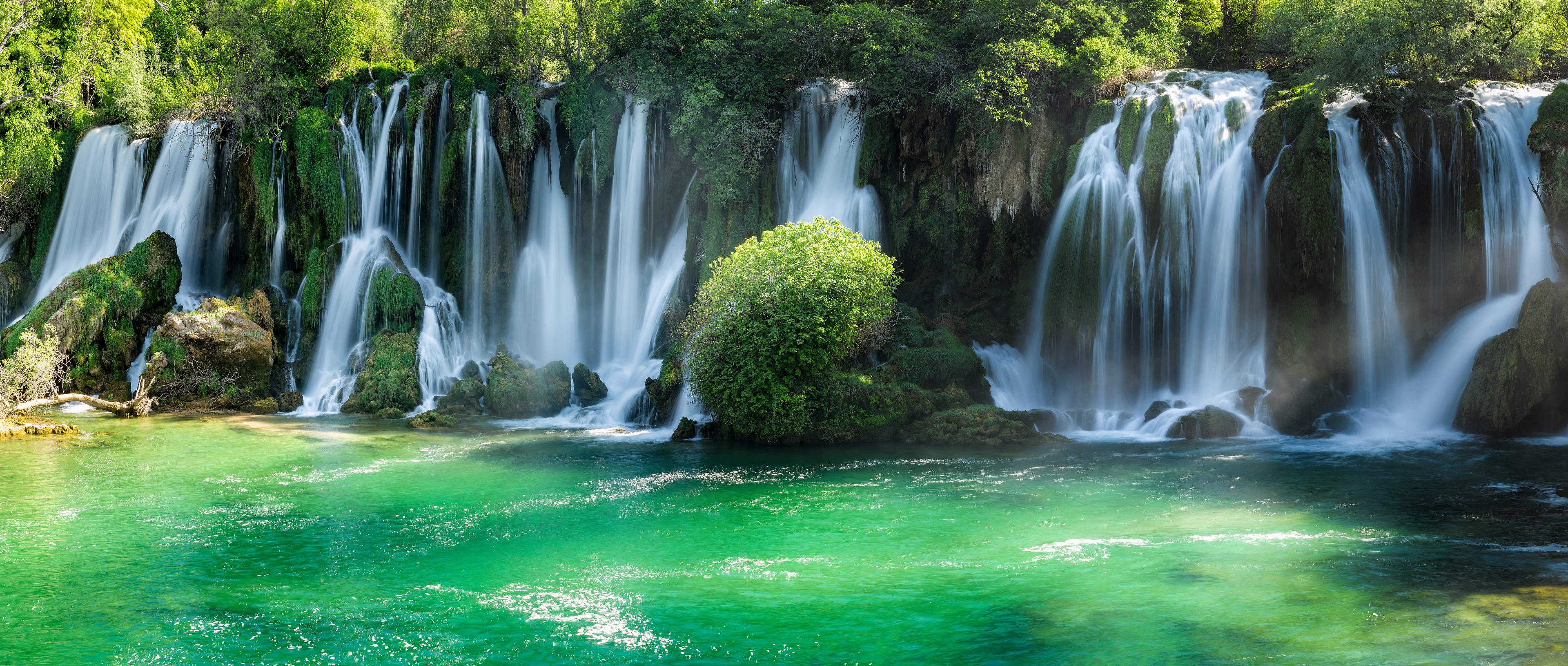
Rafting, clear rivers, waterfalls, and summer nature breaks that balance the city-history circuit.
Official or credited source ↗
Sunny southern town for monasteries, Ottoman bridges, wine routes, and a calmer base near the Adriatic.
Official or credited source ↗May-June and September-early October are the strongest broad windows for cities, hiking, rafting, and Herzegovina. July-August can be hot and busy; winter works for Sarajevo city breaks and skiing.
Useful for rafting, mountains, and summer nightlife, though heat alerts in Mostar and Herzegovina, local holidays, and regional road traffic make it less smooth than June.
The Sarajevo Film Festival brings international cinema, premieres and cultural events to Bosnia and Herzegovina's capital each summer.
See the seasonal pattern month by month.
A wider view of how this destination matches different travel styles.
Bosnia is excellent value, compact, hostel-friendly, and rich in bus/rail city routes, hikes, rafting, and history.
Sarajevo and Mostar can work short-term, but infrastructure and long-stay communities are limited compared with major nomad hubs.
Food, guesthouses, buses, museums, and day trips are generally good value for Europe.
Level 2 guidance, land mines, petty theft, road conditions, and protest disruption keep the safety score below standard.
Sarajevo, Banja Luka, Mostar, and student towns offer solid cafes, bars, music, and summer nightlife.
Mountains, waterfalls, clear rivers, rafting, hiking, ski areas, and national parks are major reasons to visit.
Neum gives Bosnia a tiny Adriatic coast, but the country is not meaningfully beach-led.
Scenic drives are rewarding, but mountain roads, winter weather, landmine awareness, and border logistics require care.
Good value and warm hospitality help, but landmine awareness, transport gaps, and language mean some planning is needed.
Hostels, city cafes, rafting tours, walking tours, and nightlife give Bosnia a solid social travel layer.
English is workable in major cities, hotels, and tourist areas, but Bosnian basics help outside the main visitor route.
English ease 3/5
Learn Bosnian for your trip →Current U.S. guidance is Level 2 due to terrorism, crime, and land mines. Stay on marked paths in rural or formerly conflict-affected areas.
Read more →Entry is passport-specific. Citizens of countries on Bosnia and Herzegovina's current visa-free list can generally stay up to 90 days in any 180-day period; the live Ministry of Foreign Affairs list and border rules decide eligibility. Some holders of a valid Schengen or EU visa or residence permit may enter under a special exception when arriving from the qualifying European area, but that route can limit a continuous stay to 15 days and should be confirmed before travel. A U.S. or other non-Schengen residence permit does not automatically replace a nationality-based visa. Private accommodation must be reported to the Service for Foreigners Affairs or police within 48 hours if staying longer than three days; hotels normally report guests. Work, study, residence, minors, and stays over 90 days require separate permission.
Read more →German and other EU passport holders are generally visa-free for up to 90 days in any 180-day period and may use a valid national identity card where the border rules allow it. Longer stays, work, study, and residence are separate cases; confirm current document requirements with Bosnia and Herzegovina's Ministry of Foreign Affairs.
Transport, language, entry, and safety are the details that shape how this trip feels day to day.
A short list of the most useful official, climate, tourism, and route references behind this guide.
6 source groupsTrip Planner & Map
Transport, language, entry, and safety are the details that shape how this trip feels day to day.
