Bouvet Island
← Back to destinations

Bouvet Island

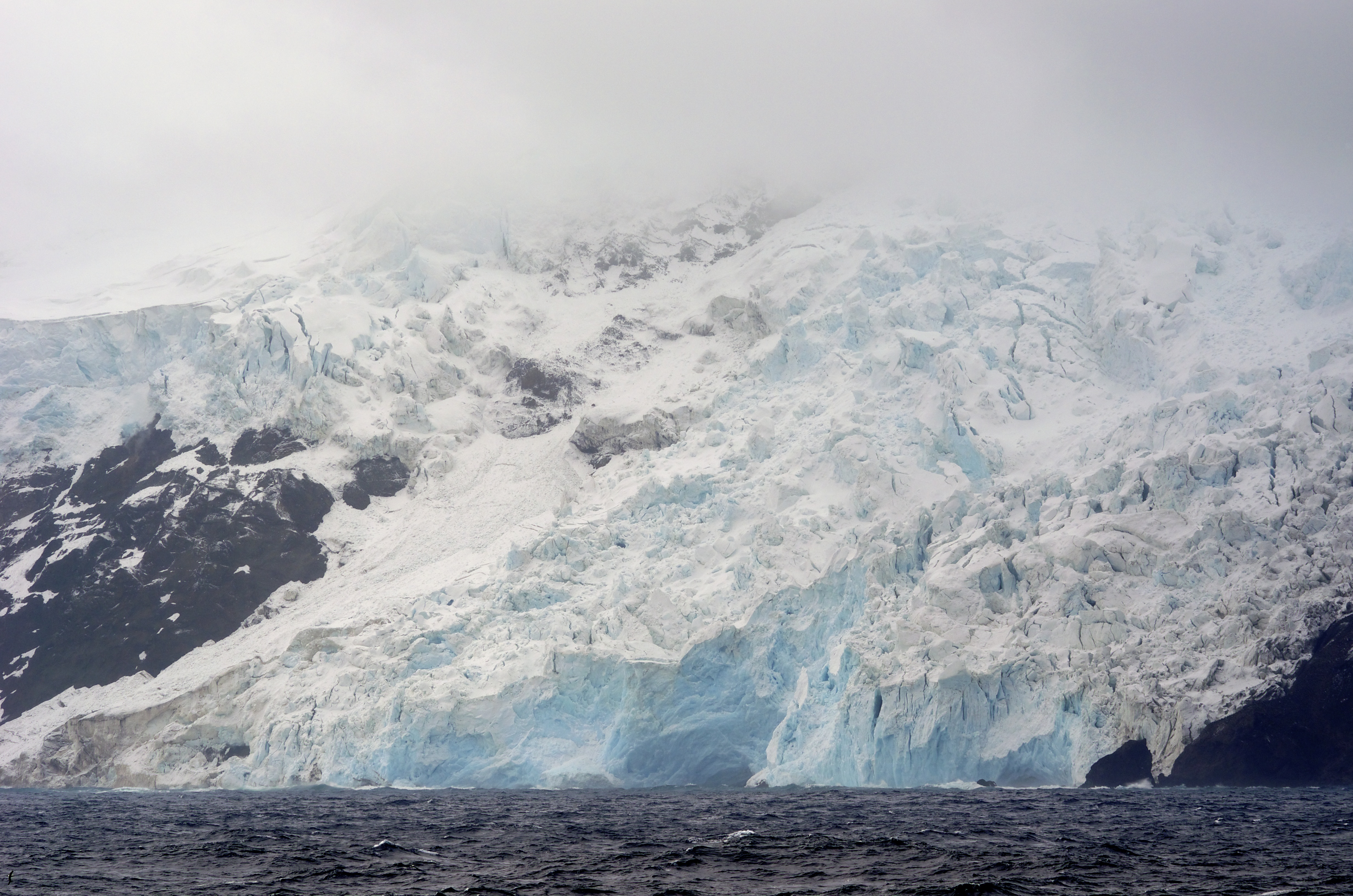
Bouvet Island is an uninhabited Norwegian dependency and one of the world's most isolated islands, about 2,500 kilometres southwest of South Africa. It covers roughly 49 square kilometres, is almost entirely glacier-covered, and is protected as a nature reserve. The page should be read as expedition context, not as ordinary vacation planning.

ExpeditionWildlifeResearchRemote nature

What this trip is really like

Bouvet Island is an uninhabited Norwegian dependency and one of the world's most isolated islands, about 2,500 kilometres southwest of South Africa. It covers roughly 49 square kilometres, is almost entirely glacier-covered, and is protected as a nature reserve. The page should be read as expedition context, not as ordinary vacation planning.

Capital
No permanent capital
Population
Uninhabited; seasonal research station only
Language
Norwegian
Currency
Norwegian krone Currency converter ↗
Timezone
UTC
Ideal trip length
Depends on the route
Emergency
police: No local service, fire: No local service, medical: No local service

A good fit if you…

Nature

Getting around

Transport, language, entry, and safety are the details that shape how this trip feels day to day.

Getting around

Bouvet Island has no quay, harbour, public roads, or local transport. People and equipment normally approach by expedition vessel and may need a helicopter transfer, but aircraft landing is prohibited without specific Norwegian Polar Institute permission; all logistics must be self-sufficient.

Language

English is useful for expedition coordination, but Bouvetøya has no resident services; Norwegian may be needed when dealing with Norwegian authorities.

English ease 1/5

Visa

Bouvetøya is a Norwegian dependency and not a conventional tourist port. The Norwegian Polar Institute says permission to land or stay is generally not the main barrier, but aircraft landing is prohibited without specific permission and boat landings are hazardous. Confirm passport and transit-country requirements for the expedition itinerary with the relevant authorities, and contact the Norwegian Polar Institute before planning any landing; a Norway or Schengen visa does not by itself authorize activity in the nature reserve.

Safety & health

The Norwegian Polar Institute says there is no local rescue service or infrastructure outside the seasonal field station; anyone travelling to Bouvetøya must be self-sufficient and prepared for their own safety.

Specialist expedition only

Explore destination

These are the places that most strongly shape a first trip through Bouvet Island.

Best time, month by month

Bouvetøya has no normal tourism season. The Norwegian Polar Institute describes a maritime Antarctic climate, with average sea-level temperatures around -1°C, monthly averages near 1°C in January and -3°C in September, and frequent cloud or dense fog.

ExcellentGoodOkayLess ideal

January · Less ideal

Low

January is austral summer and the mildest broad window, but Nyrøysa visits are restricted to approved environmental monitoring until 15 March and all access remains expedition-only.

Climate at a glance

See the seasonal pattern month by month.

Temperature

4 °C-2 °CJan
5 °C-2 °CFeb
5 °C-2 °CMar
5 °C-3 °CApr
4 °C-6 °CMay
3 °C-8 °CJun
3 °C-12 °CJul
2 °C-14 °CAug
3 °C-17 °CSep
3 °C-11 °COct
3 °C-5 °CNov
3 °C-3 °CDec

Precipitation

75 mmJan
81 mmFeb
105 mmMar
112 mmApr
91 mmMay
86 mmJun
83 mmJul
100 mmAug
78 mmSep
87 mmOct
71 mmNov
79 mmDec

Climate source →

Full Travel Fit

A wider view of how this destination matches different travel styles.

Backpacking1/5

There are no hostels, public transport, roads, shops, or independent backpacker routes; access requires a specialist vessel-based expedition and reserve permissions.

Digital nomad1/5

Bouvetøya has no permanent population, public accommodation, dependable connectivity, or normal work infrastructure; the seasonal station is for field teams.

Budget1/5

A vessel, specialist aircraft or helicopter logistics, permits, insurance, equipment, food, and contingency days make Bouvetøya an expensive expedition rather than a budget destination.

Safety1/5

The official guidance describes no local rescue, unstable slopes, fog delays, hazardous landings, and an unsurveyed crevassed ice cap; only specialist self-sufficient teams should consider a visit.

Nightlife1/5

There are no towns, venues, resident services, or normal evening economy; social time is limited to the expedition or research team.

Nature5/5

The protected island and territorial waters offer exceptional glacier, volcanic, seal, penguin, and seabird value, but access is strictly controlled and physically hazardous.

Beach1/5

Bouvetøya has no recreational beach infrastructure; steep cliffs, heavy swell, cold water, wildlife protection, and hazardous landings make ordinary beach travel inappropriate.

Road trip1/5

There are no public roads or rental vehicles; movement is by expedition vessel and, where permitted, specialist helicopter or field logistics.

Beginner-friendly1/5

The absence of services and rescue, difficult landings, strict conservation rules, polar hazards, and specialist logistics make Bouvetøya unsuitable for first-time expedition travellers.

Social1/5

There is no resident community or visitor scene; social interaction is limited to the small expedition, research, or vessel crew.


A few words go a long way

English is useful for expedition coordination, but Bouvetøya has no resident services; Norwegian may be needed when dealing with Norwegian authorities.

English ease 1/5

Learn Norwegian for your trip →

Safety & health

The Norwegian Polar Institute says there is no local rescue service or infrastructure outside the seasonal field station; anyone travelling to Bouvetøya must be self-sufficient and prepared for their own safety.

Read more →

On the route

  • Use a qualified expedition operator, a documented emergency plan, redundant communications, and evacuation or rescue cover before departure.
  • Do not approach wildlife, enter restricted monitoring areas, bring dogs ashore, or introduce non-native species; follow the Norwegian Polar Institute's permit conditions.
  • Build substantial weather and sea-state delays into the route because fog and swell can prevent landing or departure.

Health

  • There is no local medical service; the expedition must carry medical capability, trained personnel, and a realistic evacuation plan.
  • Cold exposure, wet and windy maritime conditions, falls, landslides, crevasses, and helicopter or boat operations are the dominant hazards.
  • The Norwegian Polar Institute recommends appropriate insurance and documented preparedness for remote polar activity.

Check the entry context for your passport

Bouvetøya is a Norwegian dependency and not a conventional tourist port. The Norwegian Polar Institute says permission to land or stay is generally not the main barrier, but aircraft landing is prohibited without specific permission and boat landings are hazardous. Confirm passport and transit-country requirements for the expedition itinerary with the relevant authorities, and contact the Norwegian Polar Institute before planning any landing; a Norway or Schengen visa does not by itself authorize activity in the nature reserve.

Read more →

Bouvetøya is a Norwegian dependency and not a conventional tourist port. The Norwegian Polar Institute says permission to land or stay is generally not the main barrier, but aircraft landing is prohibited without specific permission and boat landings are hazardous. Confirm passport and transit-country requirements for the expedition itinerary with the relevant authorities, and contact the Norwegian Polar Institute before planning any landing; a Norway or Schengen visa does not by itself authorize activity in the nature reserve.

Keep the details current

A short list of the most useful official, climate, tourism, and route references behind this guide.

1 source groups
View all sources

Open plan: Open the app

Transport, language, entry, and safety are the details that shape how this trip feels day to day.