

Getting around
Intercity buses are often the easiest public-transport option, trains are useful on some routes but slower, and rental cars help for monasteries, mountains, villages, and flexible Black Sea or Rhodope itineraries.

Bulgaria is a high-value Balkan and Black Sea destination for Sofia, Plovdiv, Rila Monastery, mountain hiking, monasteries, Roman and medieval sites, wine, food, ski towns, and summer coast trips. It works well for culture-heavy routes, outdoors, and budget-conscious Europe travel.
Bulgaria is a high-value Balkan and Black Sea destination for Sofia, Plovdiv, Rila Monastery, mountain hiking, monasteries, Roman and medieval sites, wine, food, ski towns, and summer coast trips. It works well for culture-heavy routes, outdoors, and budget-conscious Europe travel.
General information
Transport, language, entry, and safety are the details that shape how this trip feels day to day.
Intercity buses are often the easiest public-transport option, trains are useful on some routes but slower, and rental cars help for monasteries, mountains, villages, and flexible Black Sea or Rhodope itineraries.
English is workable in major cities, hotels, and tourist areas, but Bulgarian basics help outside the main visitor route.
English ease 3/5Bulgaria is in the Schengen area. Many visa-exempt passport holders can visit for up to 90 days in any 180-day Schengen period; other travelers need the appropriate Schengen visa or Bulgarian long-stay permission. Passports generally need three months' validity beyond departure, two blank pages for visas when required, travel insurance, accommodation, onward travel, and sufficient funds.
Current U.S. guidance is Level 1: exercise normal precautions. Main traveler issues are usually pickpocketing, card or ATM fraud, traffic risk, scams, and winter or mountain conditions.
Normal precautionsThese are the places that most strongly shape a first trip through Bulgaria.
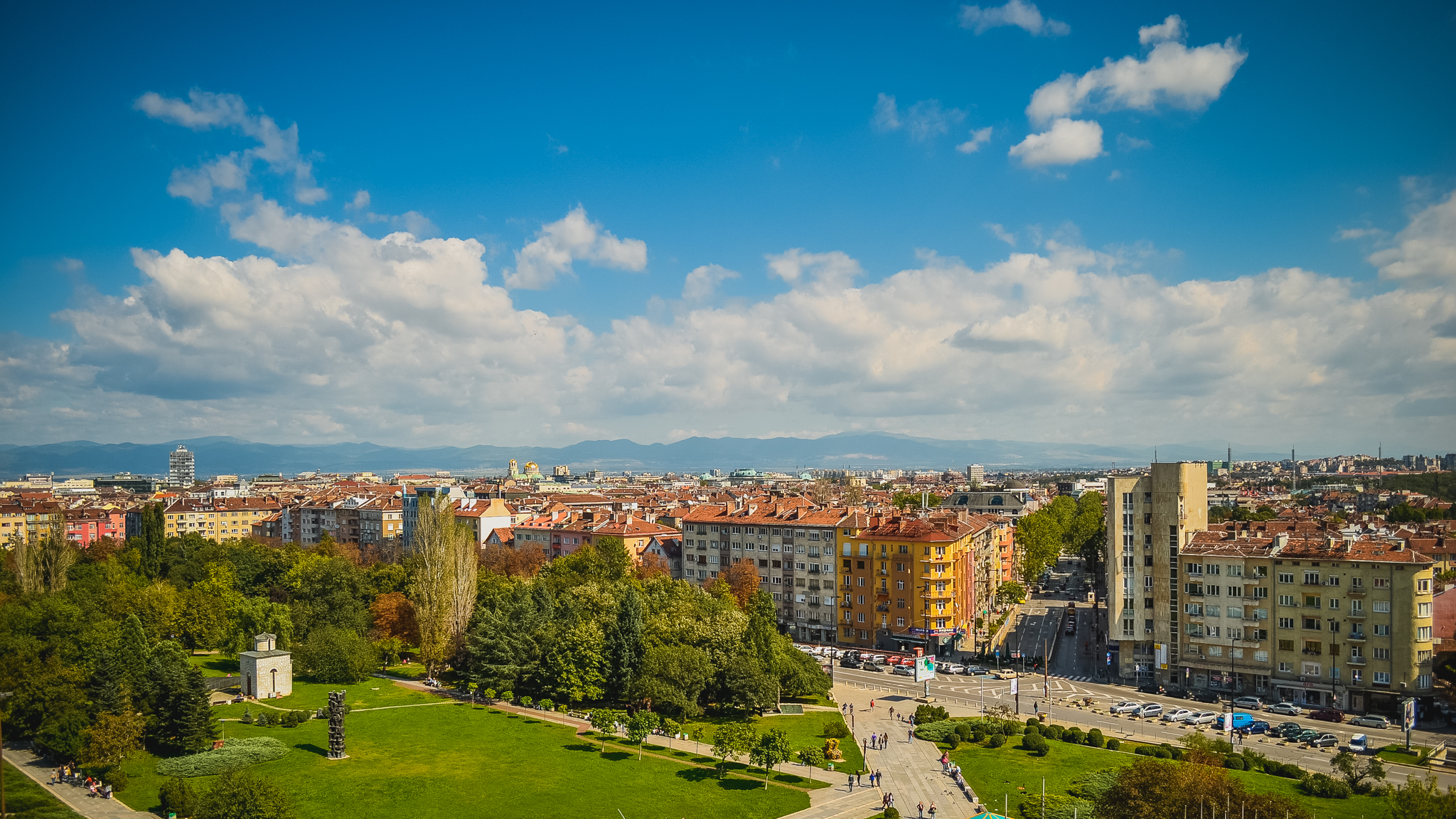
Capital base for Alexander Nevsky Cathedral, Roman ruins, museums, food, nightlife, and day trips toward Vitosha.
Official or credited source ↗
Layered old town with Roman theatre, revival-era houses, galleries, cafes, and a strong first-time Bulgaria stop.
Official or credited source ↗_-_by_Pudelek.JPG)
UNESCO monastery, mountain scenery, hiking routes, lakes, and the clearest culture-plus-nature day or overnight trip from Sofia.
Official or credited source ↗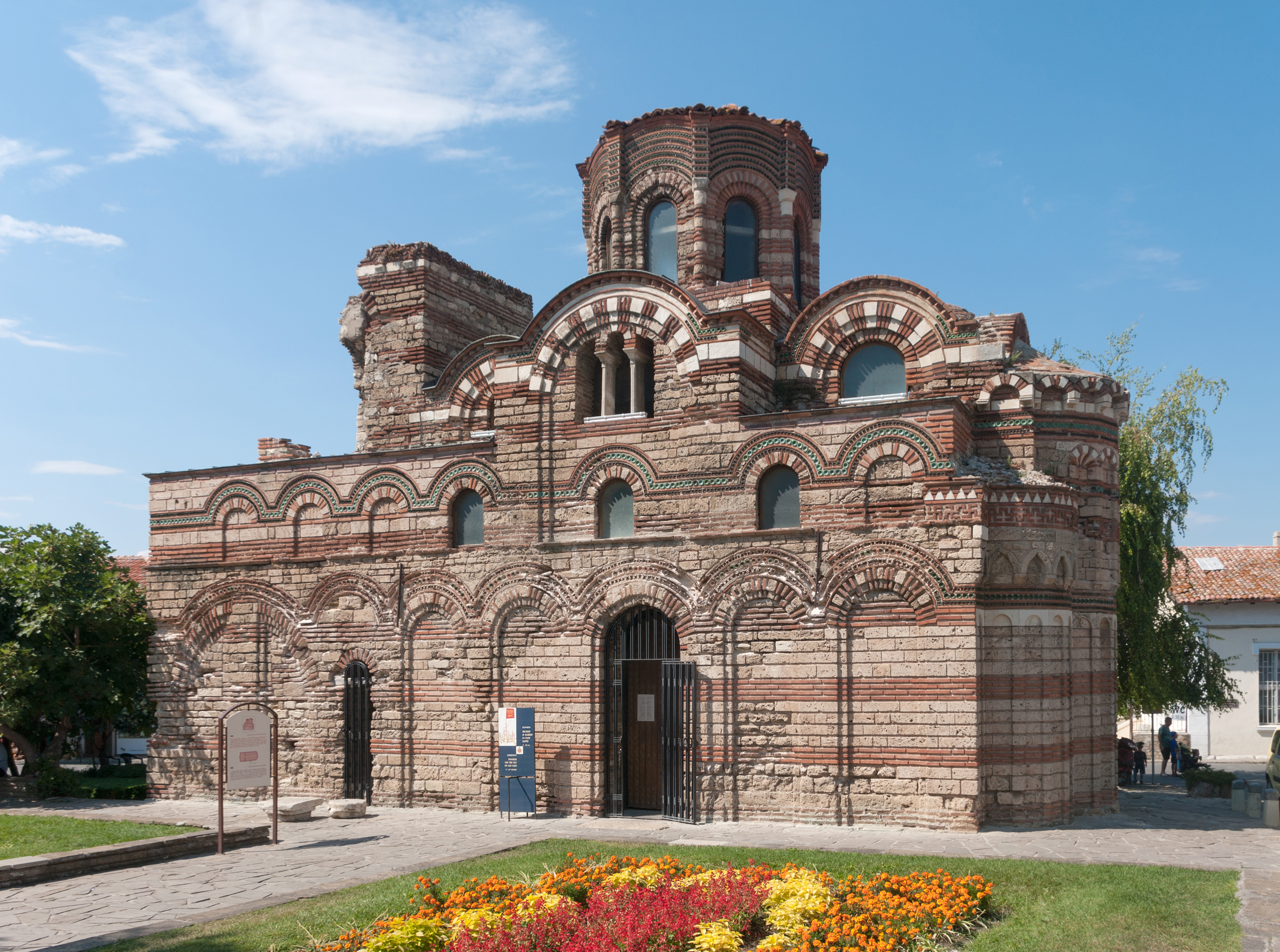
Varna, Burgas, Nessebar, Sozopol, beach resorts, summer nightlife, and quieter shoulder-season coastal towns.
Official or credited source ↗_-_view_from_Tsarevets.JPG)
Historic hillside city with Tsarevets Fortress, old streets, river views, and a useful north-central route anchor.
Official or credited source ↗May-June and September-October are often the easiest culture-and-road-trip months. July-August suit the Black Sea and mountain hiking but bring coastal crowds and heat; winter is mainly for Sofia city breaks and ski areas.
A very good shoulder month for cities, monasteries, wine routes, coast towns, and hiking with softer heat and fewer peak-season crowds.
Surva celebrates Bulgaria's masquerade traditions with elaborate costumes, bells and performances by groups from across the country.
Kazanlak's Rose Festival celebrates the rose harvest with flower picking, parades, music and traditions in Bulgaria's Rose Valley.
Kazanlak's Rose Festival celebrates the rose harvest with flower picking, parades, music and traditions in Bulgaria's Rose Valley.
See the seasonal pattern month by month.
A wider view of how this destination matches different travel styles.
Buses and trains link Sofia, Plovdiv, Veliko Tarnovo, Varna, Burgas, monasteries, and mountain gateways at manageable prices.
Sofia, Plovdiv, Varna, and Bansko can work for longer stays, but visa limits, winter heating, and neighborhood choice matter.
Bulgaria is usually one of Europe's better-value travel countries, especially away from peak Black Sea resorts and ski weeks.
Bulgaria is generally low-friction for travelers, with normal urban precautions for theft, scams, traffic, nightlife, and mountain weather.
Sofia, Plovdiv, Varna, Burgas, Bansko, and summer coast resorts offer the strongest nightlife; smaller towns are quieter.
Rila, Pirin, Rhodope, Balkan range hiking, lakes, caves, ski areas, and Black Sea nature reserves give Bulgaria a strong outdoors profile.
The Black Sea coast is a real summer draw, from Nessebar and Sozopol to larger resort zones, but beach season is concentrated.
A car helps connect monasteries, villages, mountains, wine regions, and coast, though city parking and rural road conditions require patience.
EU infrastructure, Schengen access, 112 emergency service, good value, and clear city bases make Bulgaria approachable for Europe travelers.
Sofia, Plovdiv, Bansko, and the Black Sea coast have the best hostel, coworking, nightlife, and tour scenes.
English is workable in major cities, hotels, and tourist areas, but Bulgarian basics help outside the main visitor route.
English ease 3/5
Learn Bulgarian for your trip →Current U.S. guidance is Level 1: exercise normal precautions. Main traveler issues are usually pickpocketing, card or ATM fraud, traffic risk, scams, and winter or mountain conditions.
Read more →Bulgaria is in the Schengen area. Many visa-exempt passport holders can visit for up to 90 days in any 180-day Schengen period; other travelers need the appropriate Schengen visa or Bulgarian long-stay permission. Passports generally need three months' validity beyond departure, two blank pages for visas when required, travel insurance, accommodation, onward travel, and sufficient funds.
Read more →Bulgaria is in the Schengen area. Many visa-exempt passport holders can visit for up to 90 days in any 180-day Schengen period; other travelers need the appropriate Schengen visa or Bulgarian long-stay permission. Passports generally need three months' validity beyond departure, two blank pages for visas when required, travel insurance, accommodation, onward travel, and sufficient funds.
Transport, language, entry, and safety are the details that shape how this trip feels day to day.
A short list of the most useful official, climate, tourism, and route references behind this guide.
5 source groupsTrip Planner & Map
Transport, language, entry, and safety are the details that shape how this trip feels day to day.
