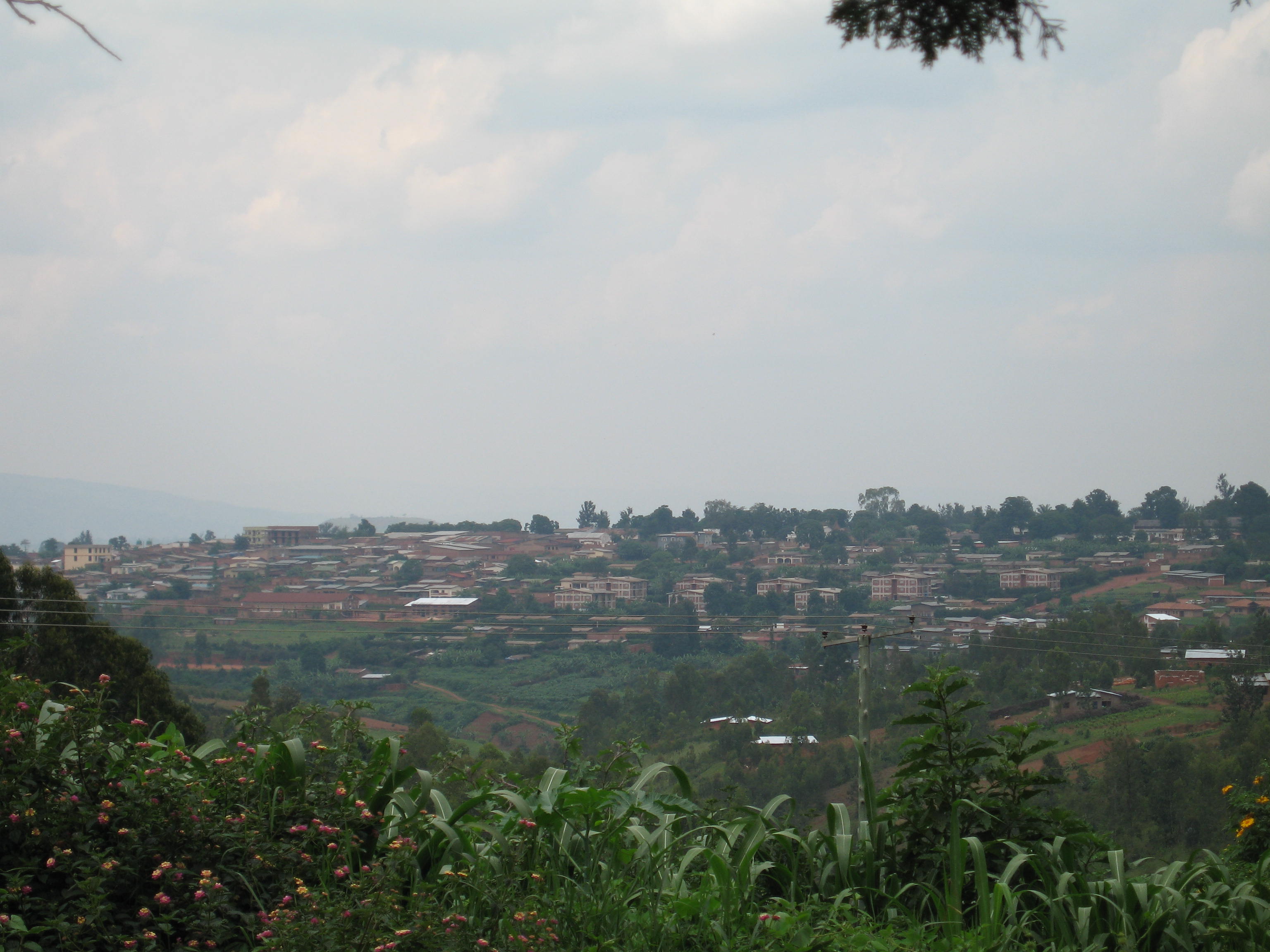
Burundi
← Back to destinations

Burundi

Burundi is a small, densely populated Great Lakes country with Lake Tanganyika, rolling highlands, royal drum heritage, Bujumbura, Gitega, and protected areas such as Ruvubu and Kigwena. It has real cultural and nature appeal, but current political violence, crime, health, border, and access risks make it a destination for well-prepared travelers rather than casual first-timers.

LakeCultureNature

What this trip is really like

Burundi is a small, densely populated Great Lakes country with Lake Tanganyika, rolling highlands, royal drum heritage, Bujumbura, Gitega, and protected areas such as Ruvubu and Kigwena. It has real cultural and nature appeal, but current political violence, crime, health, border, and access risks make it a destination for well-prepared travelers rather than casual first-timers.

Capital
Gitega
Population
14.390 million residents (UNData 2025 estimate)
Language
French, Kirundi
Currency
Burundian franc Currency converter ↗
Timezone
Africa/Bujumbura
Ideal trip length
Depends on the route
Emergency
police: 112, medical: 112 (ambulance); Red Cross 109, fire: 112

Getting around

Transport, language, entry, and safety are the details that shape how this trip feels day to day.

Getting around

Melchior Ndadaye International Airport near Bujumbura is Burundi's only international airport, while Gitega is the political capital. Use vetted taxis, hotel transfers, buses, or private drivers; avoid night travel and confirm routes because checkpoints, fuel shortages, border tensions, poor roads, and landslides can affect movement. Do not plan Rusizi or Kibira transfers while current official no-travel guidance applies; any later reopening still needs live route, permit, and park confirmation.

Language

French and Kirundi are the practical languages for transport, police, markets, and health care. English is limited outside some hotels, NGOs, guides, and airport-facing services.

English ease 1/5

Visa

Visa rules depend on passport, purpose, and length of stay. For a full British citizen passport, FCDO says to apply online before travel, complete the airport-entry or transit application, carry the validation certificate, and expect a one-month $90 visa on arrival. U.S. guidance describes a 30-day Bujumbura airport visa, in-country extensions, and a three-month embassy route; longer stays, minors, special-purpose travel, multiple electronic devices, and other passports require the responsible Burundi mission's current rules.

Safety & health

The U.S. Department of State rates Burundi Level 3: Reconsider Travel due to political violence, crime, and health; its Level 4 no-go areas include the former Central Market in Bujumbura, Cibitoke and Bubanza provinces, and Kibira National Park.

Level 3: Reconsider travel

Explore destination

These are the places that most strongly shape a first trip through Burundi.

Best time, month by month

May to September is generally the most reliable broad weather window for Gitega and highland routes, while November to April is wetter and can bring landslides or damaged roads.

ExcellentGoodOkayLess ideal

August · Excellent

Shoulder

August remains a strong dry-season month for highland routes, with good visibility and easier roads than in the wet season.

Climate at a glance

See the seasonal pattern month by month.

Temperature

24 °C14 °CJan
24 °C14 °CFeb
24 °C14 °CMar
23 °C14 °CApr
23 °C14 °CMay
24 °C12 °CJun
25 °C11 °CJul
26 °C13 °CAug
26 °C14 °CSep
25 °C14 °COct
23 °C14 °CNov
23 °C14 °CDec

Precipitation

133 mmJan
140 mmFeb
177 mmMar
154 mmApr
87 mmMay
8 mmJun
3 mmJul
7 mmAug
64 mmSep
88 mmOct
151 mmNov
182 mmDec

Climate source →

Full Travel Fit

A wider view of how this destination matches different travel styles.

Backpacking2/5

Costs can be low, but Burundi is not a relaxed backpacking destination because safety advice, checkpoints, limited emergency support, and daylight movement constraints reduce flexibility.

Digital nomad1/5

Longer remote-work stays are a weak fit outside formal work, NGO, or research contexts because connectivity, health care, security planning, and visa handling require preparation.

Budget2/5

Local meals and transport can be affordable, but safe accommodation, reliable drivers, guides, contingency planning, and medical cover raise realistic trip costs.

Safety1/5

The current U.S. advisory is Level 3 with specific Level 4 no-go locations, while FCDO warns about armed incursions, border instability, closed Rwanda crossings, and weak emergency support.

Nightlife1/5

Evenings should be conservative because U.S. government personnel are restricted from travel outside Bujumbura Mairie during hours of darkness.

Nature3/5

Rusizi, Ruvubu, Kigwena, Lake Tanganyika, and highland scenery create a real nature angle, but Kibira and some border-linked areas carry serious access and security caveats.

Beach2/5

Lake Tanganyika gives Bujumbura a lakeside beach angle, but it is not a classic beach-holiday destination and safety planning comes first.

Road trip2/5

Short driver-led trips from Bujumbura or Gitega are more realistic than independent road trips because checkpoints, road conditions, darkness, and border-area risks constrain routes.

Beginner-friendly1/5

Burundi is not beginner-friendly: French or Kirundi help, safety restrictions are significant, health care is limited, and several areas should be avoided.

Social2/5

Social travel is strongest through hotels, guides, NGOs, business contacts, and arranged cultural visits rather than casual traveler circuits.


A few words go a long way

French and Kirundi are the practical languages for transport, police, markets, and health care. English is limited outside some hotels, NGOs, guides, and airport-facing services.

English ease 1/5

Learn French for your trip →
Où est la gare ?Where is the station?

Safety & health

The U.S. Department of State rates Burundi Level 3: Reconsider Travel due to political violence, crime, and health; its Level 4 no-go areas include the former Central Market in Bujumbura, Cibitoke and Bubanza provinces, and Kibira National Park.

Read more →

On the route

  • Political violence, grenade attacks, arbitrary arrests, checkpoints, and border closures can affect movement; carry copies of identity documents and avoid photographing security sites.
  • FCDO's current no-travel areas include parts of Bujumbura Province, Rusizi National Park, and RN6 and RN10 through Kibira; keep Rusizi and Kibira out of normal sightseeing or bookable itineraries unless current official security guidance changes.
  • Roads can be poor or blocked by landslides after heavy rain; use a vetted driver, travel in daylight, carry fuel, spares, and provisions, and keep alternate plans.

Health

  • Yellow-fever vaccination proof is required for entry; FCDO also flags malaria, dengue, Zika, mpox, altitude sickness, cholera, and possible Ebola-related border screening.
  • Medical facilities and trauma care are well below international standards; Bujumbura has the strongest options, but serious illness may require evacuation.
  • Carry medicines and insurance covering treatment and medical evacuation; emergency services can be limited outside main areas.

Check the entry context for your passport

Visa rules depend on passport, purpose, and length of stay. For a full British citizen passport, FCDO says to apply online before travel, complete the airport-entry or transit application, carry the validation certificate, and expect a one-month $90 visa on arrival. U.S. guidance describes a 30-day Bujumbura airport visa, in-country extensions, and a three-month embassy route; longer stays, minors, special-purpose travel, multiple electronic devices, and other passports require the responsible Burundi mission's current rules.

Read more →

Visa rules depend on passport, purpose, and length of stay. For a full British citizen passport, FCDO says to apply online before travel, complete the airport-entry or transit application, carry the validation certificate, and expect a one-month $90 visa on arrival. U.S. guidance describes a 30-day Bujumbura airport visa, in-country extensions, and a three-month embassy route; longer stays, minors, special-purpose travel, multiple electronic devices, and other passports require the responsible Burundi mission's current rules.

Keep the details current

A short list of the most useful official, climate, tourism, and route references behind this guide.

6 source groups
View all sources

Open plan: Open the app

Transport, language, entry, and safety are the details that shape how this trip feels day to day.