Cameroon
← Back to destinations

Cameroon

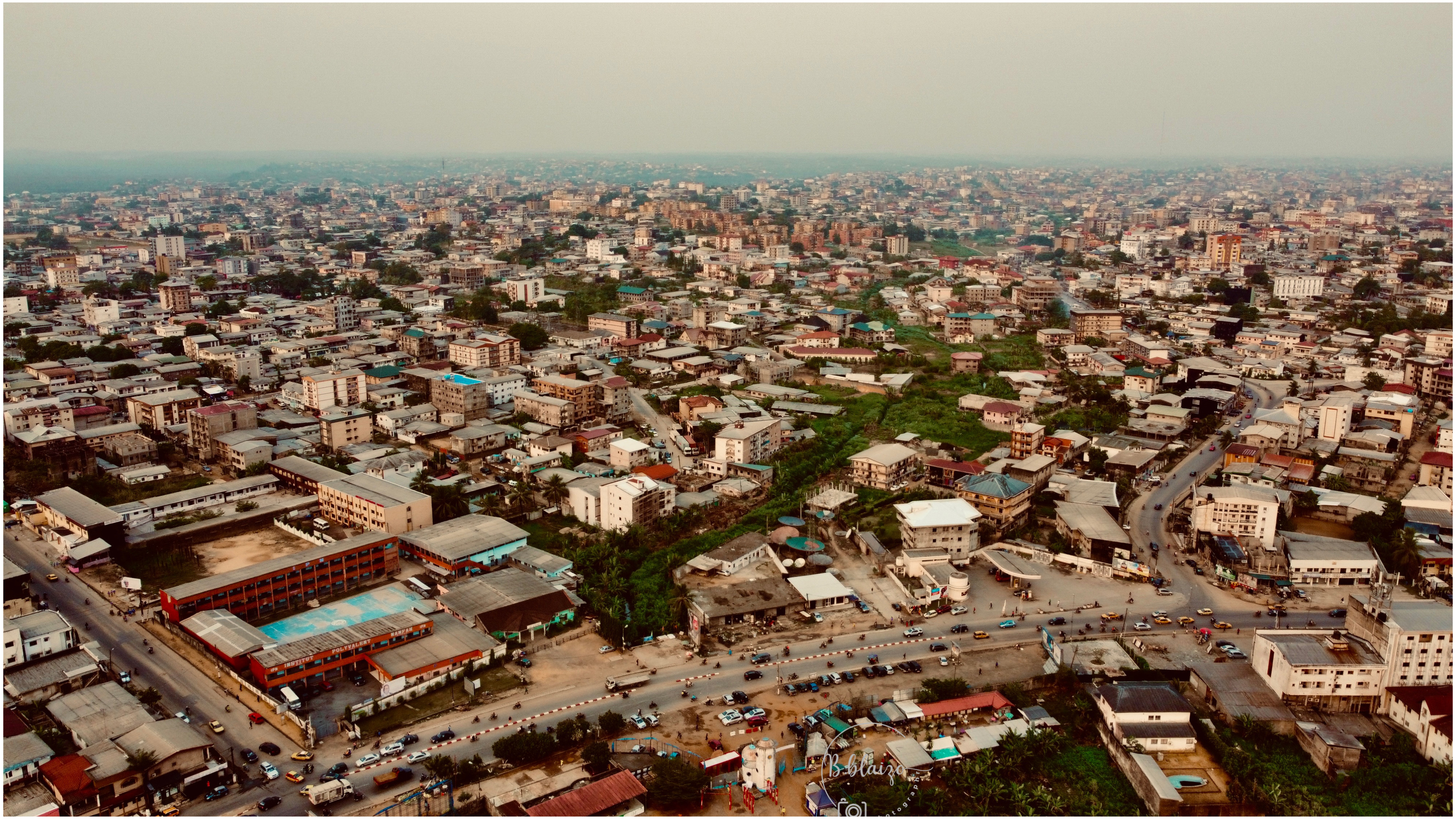
Cameroon combines bilingual city culture, rainforest, highlands, Atlantic coast, food, Mount Cameroon, Yaoundé, Douala, Kribi, Limbe, and West Region heritage. Current U. S. and FCDO restrictions make region-by-region planning essential.

Mount CameroonCultureCoastRainforest

What this trip is really like

Cameroon combines bilingual city culture, rainforest, highlands, Atlantic coast, food, Mount Cameroon, Yaoundé, Douala, Kribi, Limbe, and West Region heritage. Current U. S. and FCDO restrictions make region-by-region planning essential.

Capital
Yaoundé
Population
29.879 million residents (UNData 2025 estimate)
Language
English, French
Currency
Central African CFA franc Currency converter ↗
Timezone
Africa/Douala
Ideal trip length
Depends on the route
Emergency
police: 117, medical: 112, fire: 119

A good fit if you…

Nature

Getting around

Transport, language, entry, and safety are the details that shape how this trip feels day to day.

Getting around

Most routes combine vetted drivers, pre-arranged taxis or ride-hailing in major cities, intercity buses, rail on some central corridors, domestic flights, and guided transfers. FCDO warns of poor roads, dangerous night driving, unsafe taxis, checkpoints, border-route crime, delays, and unreliable domestic flights; check each route against current regional advice.

Language

English is useful in the Northwest, Southwest, and some tourist or business settings; French is more widely useful across the Centre, Littoral, and southern routes, and local languages vary.

English ease 4/5

Visa

Cameroon requires a visa for British citizens. Current FCDO guidance says to apply online for an e-visa before travel; the passport must expire at least 6 months after arrival. A visa on arrival is not available at Yaoundé or Douala airports. Road or sea arrivals need a physical visa from a Cameroon embassy or high commission because e-visas are not issued at land or sea borders. A yellow-fever vaccination certificate is required; children, other nationalities, work or business travel, transit, and route-specific documents need the applicable official rules confirmed, and the passport should be stamped on entry.

Safety & health

The U.S. State Department currently lists Cameroon at Level 2: Exercise Increased Caution because of crime, terrorism, unrest, health risks, kidnapping, and improvised explosive devices. It says not to travel to the Northwest, Southwest, or Far North Regions, or within 20 kilometres of the borders with the Central African Republic, Chad, and Nigeria.

Level 2; exercise increased caution

Explore destination

These are the places that most strongly shape a first trip through Cameroon.

Best time, month by month

December-February is generally the easiest dry-season window for Yaounde, Douala, beaches, and many roads.

ExcellentGoodOkayLess ideal

November · Excellent

Shoulder

November is a useful transition month as southern rains ease, with better city and coast access while northern Harmattan haze and restricted regions need checking.

Climate at a glance

See the seasonal pattern month by month.

Temperature

29 °C20 °CJan
30 °C20 °CFeb
30 °C20 °CMar
29 °C20 °CApr
28 °C20 °CMay
27 °C20 °CJun
26 °C19 °CJul
26 °C20 °CAug
27 °C20 °CSep
27 °C19 °COct
28 °C20 °CNov
28 °C20 °CDec

Precipitation

19 mmJan
50 mmFeb
165 mmMar
186 mmApr
210 mmMay
168 mmJun
52 mmJul
104 mmAug
223 mmSep
273 mmOct
134 mmNov
26 mmDec

Climate source →

Full Travel Fit

A wider view of how this destination matches different travel styles.

Backpacking2/5

Cameroon has varied routes and affordable basics, but no-go regions, kidnapping risk, weak emergency response, language, and transport complexity limit backpacking.

Digital nomad3/5

Yaounde and Douala can support short work stays with hotels and connectivity, but power, transport, visa, safety, and health care limits matter.

Budget2/5

Local food and buses can be moderate, but secure drivers, reliable hotels, medical evacuation coverage, domestic flights, and careful routing add cost.

Safety2/5

Cameroon is currently Level 2 overall, with restricted Southwest, Northwest, Far North, and border areas carrying serious terrorism, unrest, crime, kidnapping, and IED risks.

Nightlife2/5

Douala and Yaounde have restaurants, bars, and music, but after-dark transport and crime risk need caution.

Nature4/5

Mount Cameroon, Limbe, Kribi, rainforest, highlands, waterfalls, beaches, savanna, wildlife, and national parks make nature a strong draw.

Beach3/5

Kribi, Limbe, and the Littoral coast offer real beach value, with access, rain, safety, and water conditions to check.

Road trip2/5

Road routes are rewarding but complicated by no-go regions, poor roads, unsafe GPS routing, checkpoints, rain, fuel, and limited emergency response.

Beginner-friendly2/5

Core city and coast routes can work with support, but Level 4 regions, crime, health, and road complexity reduce beginner friendliness.

Social3/5

Food, music, city life, beach stays, expat hubs, and guided hiking create moderate social opportunities with safety planning.


A few words go a long way

English is useful in the Northwest, Southwest, and some tourist or business settings; French is more widely useful across the Centre, Littoral, and southern routes, and local languages vary.

English ease 4/5

Learn English for your trip →

Safety & health

The U.S. State Department currently lists Cameroon at Level 2: Exercise Increased Caution because of crime, terrorism, unrest, health risks, kidnapping, and improvised explosive devices. It says not to travel to the Northwest, Southwest, or Far North Regions, or within 20 kilometres of the borders with the Central African Republic, Chad, and Nigeria.

Read more →

On the route

  • FCDO says Boko Haram and Islamic State West Africa are mainly active in the Far-North, but attacks can occur in major cities including Yaoundé and Douala. Avoid demonstrations, large gatherings, political events, and places where security conditions are changing quickly.
  • Use trusted, pre-arranged taxis or reputable transfers rather than roadside taxis; avoid walking or driving at night, keep valuables out of sight, and treat roadblocks, checkpoints, and border routes as security risks.
  • Do not enter current U.S. or FCDO restricted areas. English-speaking-region unrest, ghost-town days, kidnapping, IEDs, piracy near Bakassi, and sudden road closures can affect routes outside the main warnings.

Health

  • FCDO lists malaria, dengue, Zika, yellow fever, cholera, and altitude-sickness risks. Medical facilities are below UK standards, emergency services are extremely limited, and serious treatment may require evacuation.
  • Carry essential medicines, use bottled or treated water, arrange appropriate travel-health and evacuation insurance, and confirm vaccinations with a travel-health professional well before departure.
  • Current FCDO emergency numbers are ambulance 112, fire 119, and police 117; response and coverage can be limited outside major cities.

Check the entry context for your passport

Cameroon requires a visa for British citizens. Current FCDO guidance says to apply online for an e-visa before travel; the passport must expire at least 6 months after arrival. A visa on arrival is not available at Yaoundé or Douala airports. Road or sea arrivals need a physical visa from a Cameroon embassy or high commission because e-visas are not issued at land or sea borders. A yellow-fever vaccination certificate is required; children, other nationalities, work or business travel, transit, and route-specific documents need the applicable official rules confirmed, and the passport should be stamped on entry.

Read more →

Cameroon requires a visa for British citizens. Current FCDO guidance says to apply online for an e-visa before travel; the passport must expire at least 6 months after arrival. A visa on arrival is not available at Yaoundé or Douala airports. Road or sea arrivals need a physical visa from a Cameroon embassy or high commission because e-visas are not issued at land or sea borders. A yellow-fever vaccination certificate is required; children, other nationalities, work or business travel, transit, and route-specific documents need the applicable official rules confirmed, and the passport should be stamped on entry.

Keep the details current

A short list of the most useful official, climate, tourism, and route references behind this guide.

7 source groups
View all sources

Open plan: Open the app

Transport, language, entry, and safety are the details that shape how this trip feels day to day.