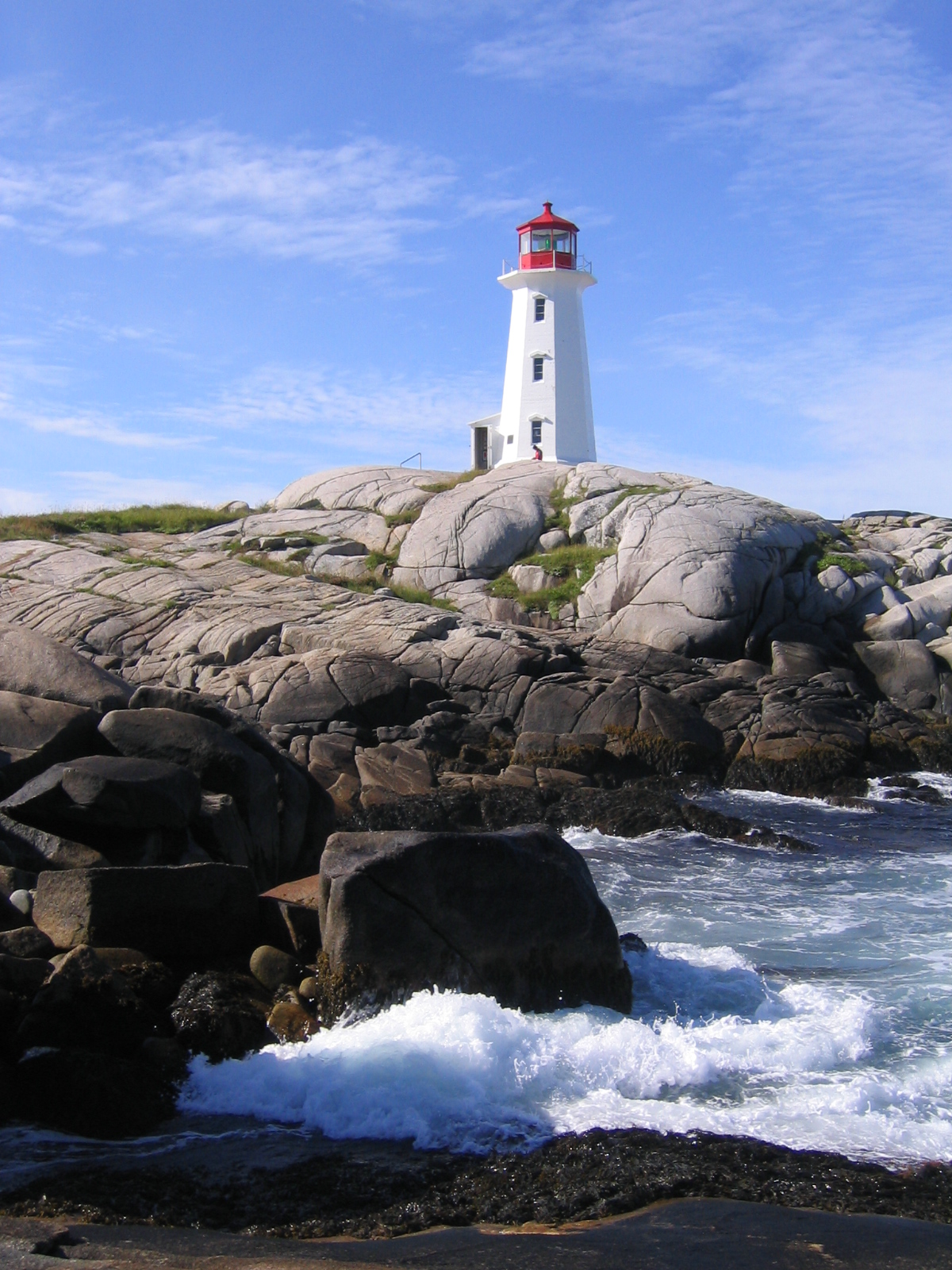
Canada
← Back to destinations

Canada

Canada is a continent-scale travel destination for Rockies road trips, Vancouver and the Pacific coast, Toronto, Montreal, Quebec City, Niagara Falls, Atlantic Canada, northern lights, wildlife, skiing, lakes, festivals, and national parks. It is safe and beginner-friendly, but expensive and distance-heavy, so route focus matters.

NatureRoad tripsCitiesWildlife

What this trip is really like

Canada is a continent-scale travel destination for Rockies road trips, Vancouver and the Pacific coast, Toronto, Montreal, Quebec City, Niagara Falls, Atlantic Canada, northern lights, wildlife, skiing, lakes, festivals, and national parks. It is safe and beginner-friendly, but expensive and distance-heavy, so route focus matters.

Capital
Ottawa
Population
41.4 million (41,417,056 on April 1, 2026)
Language
English, French
Currency
Canadian dollar Currency converter ↗
Timezone
America/Vancouver, America/Edmonton, America/Winnipeg, America/Toronto, America/Halifax, America/St_Johns
Ideal trip length
Depends on the route
Emergency
police: 911, medical: 911, fire: 911

eSIM for Canada

Use the reference page for context, then check current plans in the Smart Planner.

Compare eSIM plans

A good fit if you…

Digital nomad
Safety
Nightlife
Nature
Road trip
Beginner-friendly
Social

Getting around

Transport, language, entry, and safety are the details that shape how this trip feels day to day.

Getting around

Distances are huge. Domestic flights, rental cars, ferries, VIA Rail, regional buses, city transit, and seasonal park shuttles all matter, but most nature-heavy routes need either a car or carefully planned tours or transfers. Check current Parks Canada closures, reservations, wildfire notices, and ferry schedules before setting a tight itinerary.

Language

English covers most travel needs across Canada; French matters most in Quebec and parts of New Brunswick, while Indigenous place names and local accents may take adjustment.

English ease 4/5

Visa

Canada entry rules depend on passport, citizenship, and how you arrive. Visa-exempt foreign nationals generally need an eTA to fly to or transit through a Canadian airport, but not to enter by land or sea; travelers who need a visa must obtain a visitor visa, and U.S. citizens generally need neither for a visit. Check the official Canada eligibility tool before booking because eTA, visa, and document requirements are passport-specific.

Safety & health

Current U.S. guidance is Level 1: exercise normal precautions. Main trip risks are usually weather, wildfire smoke, winter driving, wildlife, remote distances, theft in cities, and outdoor safety.

Normal precautions

Explore destination

These are the places that most strongly shape a first trip through Canada.

Best time, month by month

June-September is the broadest window for road trips, national parks, cities, ferries, and Atlantic or Pacific coast travel. Winter is excellent for skiing, northern lights, and city breaks, but distances, snow, and daylight change the trip dramatically.

ExcellentGoodOkayLess ideal

June · Excellent

High

June starts the broad prime season for road trips, national parks, cities, ferries, wildlife, and long daylight, though high trails may still hold snow and mosquitoes can be noticeable in forests and wetlands.

Highlights in June

Montréal Jazz Festival

The Montréal International Jazz Festival brings major international musicians, outdoor concerts and cultural events to the city's downtown festival district.

Where
Montréal
Timing
Dates vary by year or edition

Climate at a glance

See the seasonal pattern month by month.

Temperature

-5 °C-14 °CJan
-4 °C-13 °CFeb
2 °C-7 °CMar
11 °C1 °CApr
20 °C8 °CMay
24 °C13 °CJun
28 °C16 °CJul
26 °C15 °CAug
22 °C11 °CSep
15 °C5 °COct
6 °C-2 °CNov
-2 °C-9 °CDec

Precipitation

56 mmJan
64 mmFeb
53 mmMar
80 mmApr
90 mmMay
105 mmJun
94 mmJul
87 mmAug
91 mmSep
107 mmOct
69 mmNov
86 mmDec

Climate source →

Full Travel Fit

A wider view of how this destination matches different travel styles.

Backpacking3/5

Canada has hostels and transit in major corridors, but long distances and high transport costs make backpacking less effortless than Europe or Southeast Asia.

Digital nomad4/5

Toronto, Vancouver, Montreal, Calgary, Ottawa, Halifax, and smaller lifestyle towns can work well, but housing costs and visa status are the constraints.

Budget2/5

Canada is expensive for accommodation, car rental, intercity transport, park logistics, and peak summer travel, though camping and shoulder seasons help.

Safety5/5

Canada is one of the easier low-crime destinations, but travelers still need weather, wildfire, winter-road, wildlife, and remote-area planning.

Nightlife4/5

Toronto, Montreal, Vancouver, Calgary, Halifax, Quebec City, and ski towns have strong food, bar, festival, music, and sports scenes.

Nature5/5

Rockies, Pacific coast, Arctic and subarctic regions, national parks, lakes, forests, Atlantic coasts, wildlife, skiing, and hiking are core reasons to visit.

Beach2/5

Canada has lakes, surf beaches, and coastal towns, but beaches are seasonal or niche compared with warmer destinations.

Road trip5/5

Canada is built for road trips, from the Rockies and Vancouver Island to the Maritimes, Quebec, Ontario lakes, Yukon, and Newfoundland.

Beginner-friendly5/5

English/French infrastructure, high safety, familiar services, card payments, clear signage, and strong tourism systems make Canada very approachable.

Social4/5

Major cities, festivals, ski towns, hostels, tours, sports events, and national-park routes create reliable social travel opportunities.


A few words go a long way

English covers most travel needs across Canada; French matters most in Quebec and parts of New Brunswick, while Indigenous place names and local accents may take adjustment.

English ease 4/5

Learn English for your trip →

Safety & health

Current U.S. guidance is Level 1: exercise normal precautions. Main trip risks are usually weather, wildfire smoke, winter driving, wildlife, remote distances, theft in cities, and outdoor safety.

Read more →

On the route

  • Canada is generally very safe for travelers, but normal city precautions still apply around theft, nightlife, parking, and transit hubs.
  • Wildfire season, winter storms, avalanche risk, ocean conditions, and remote-road distances can be more important than crime for many trips.
  • Wildlife viewing requires distance and local guidance, especially around bears, moose, elk, whales, and northern routes.

Health

  • Health care quality is high, but visitors need travel medical insurance because public coverage generally does not cover tourists.
  • Remote parks, northern regions, and long road trips can be far from emergency care, fuel, cell service, and pharmacies.
  • Cold exposure, heat, wildfire smoke, ticks, and outdoor injuries should be planned for by season and region.

Check the entry context for your passport

Canada entry rules depend on passport, citizenship, and how you arrive. Visa-exempt foreign nationals generally need an eTA to fly to or transit through a Canadian airport, but not to enter by land or sea; travelers who need a visa must obtain a visitor visa, and U.S. citizens generally need neither for a visit. Check the official Canada eligibility tool before booking because eTA, visa, and document requirements are passport-specific.

Read more →

Canada entry rules depend on passport, citizenship, and how you arrive. Visa-exempt foreign nationals generally need an eTA to fly to or transit through a Canadian airport, but not to enter by land or sea; travelers who need a visa must obtain a visitor visa, and U.S. citizens generally need neither for a visit. Check the official Canada eligibility tool before booking because eTA, visa, and document requirements are passport-specific.

Keep the details current

A short list of the most useful official, climate, tourism, and route references behind this guide.

9 source groups
View all sources

Open plan: Open the app

Transport, language, entry, and safety are the details that shape how this trip feels day to day.