Central African Republic
← Back to destinations

Central African Republic

Central African Republic is a landlocked country of tropical forest, savanna, rivers, wildlife, and cultural heritage, including Dzanga-Sangha and Manovo-Gounda St Floris. Current security, health, kidnapping, landmine, and emergency-support risks make it a high-risk specialist context rather than a normal leisure destination.

WildlifeResearchCulture

What this trip is really like

Central African Republic is a landlocked country of tropical forest, savanna, rivers, wildlife, and cultural heritage, including Dzanga-Sangha and Manovo-Gounda St Floris. Current security, health, kidnapping, landmine, and emergency-support risks make it a high-risk specialist context rather than a normal leisure destination.

Capital
Bangui
Population
5.513 million residents (UNData 2025 estimate)
Language
French, Sango
Currency
Central African CFA franc Currency converter ↗
Timezone
Africa/Bangui
Ideal trip length
Depends on the route
Emergency
police: 117, medical: 610600 or 117 (ambulance; unreliable), fire: 118 or 117 (unreliable)

A good fit if you…

Nature

Getting around

Transport, language, entry, and safety are the details that shape how this trip feels day to day.

Getting around

Bangui is the main air and logistics base. Use pre-arranged secure transport only; outside Bangui, poor or unpaved roads, illegal roadblocks, armed-group risk, scarce fuel, 4WD needs, and May-November rain and flooding make independent overland travel unsuitable. Current FCDO advice against travel outside Bangui means the highlights are contextual, not normal leisure routes; any exceptional movement needs permits, security coordination, an operator, and medical-evacuation planning.

Language

French and Sango are the practical languages. English is very limited outside diplomatic, NGO, security, or specialist conservation contacts.

English ease 1/5

Visa

Central African Republic requires advance, passport- and purpose-dependent visa planning. British citizens should use the Central African Republic Embassy in Paris, carry a passport valid at least six months after arrival, and provide yellow-fever proof; U.S. guidance also requires a visa before travel, one blank page, and a requested 30-, 60-, 90-day, or one-year duration. Minors, dual nationals, humanitarian or NGO staff, journalists, transit, overland entry, and other passports are case-specific; confirm the responsible mission before any exceptional travel.

Safety & health

The U.S. Department of State rates Central African Republic Level 4: Do Not Travel because of unrest, crime, kidnapping, landmines, inadequate health care, and terrorism; emergency support is limited and official staff need special authorization outside Bangui.

Level 4: Do not travel

Explore destination

These are the places that most strongly shape a first trip through Central African Republic.

Best time, month by month

December to February is generally the drier window around Bangui, with March and November as transition months. May to November is wetter and roads outside Bangui can become impassable, while forest and northern conditions vary.

ExcellentGoodOkayLess ideal

November · Excellent

Shoulder

November is a drying transition around Bangui, but roads may still be damaged and northern, western, and forest routes differ. Any movement needs current security clearance and a realistic evacuation plan.

Climate at a glance

See the seasonal pattern month by month.

Temperature

32 °C19 °CJan
33 °C20 °CFeb
32 °C21 °CMar
32 °C21 °CApr
31 °C21 °CMay
30 °C21 °CJun
29 °C21 °CJul
30 °C21 °CAug
30 °C21 °CSep
30 °C21 °COct
31 °C20 °CNov
31 °C20 °CDec

Precipitation

18 mmJan
54 mmFeb
117 mmMar
130 mmApr
173 mmMay
153 mmJun
211 mmJul
196 mmAug
172 mmSep
182 mmOct
97 mmNov
28 mmDec

Climate source →

Full Travel Fit

A wider view of how this destination matches different travel styles.

Backpacking1/5

CAR is a poor backpacking fit because the current advisory is Level 4 and flexible independent travel conflicts with security, transport, health, and evacuation needs.

Digital nomad1/5

Longer stays are practical only for well-supported diplomatic, NGO, security, conservation, or business assignments with secure housing and transport.

Budget1/5

Local prices are not the main issue; safe lodging, secure drivers, communications, medical evacuation cover, and route support dominate realistic costs.

Safety1/5

Safety is a score of 1: the U.S. advisory is Level 4: Do Not Travel and FCDO advises against all travel outside Bangui and all but essential travel in the capital.

Nightlife1/5

Nightlife should not drive planning; official personnel in Bangui are subject to curfew and armored-vehicle requirements.

Nature4/5

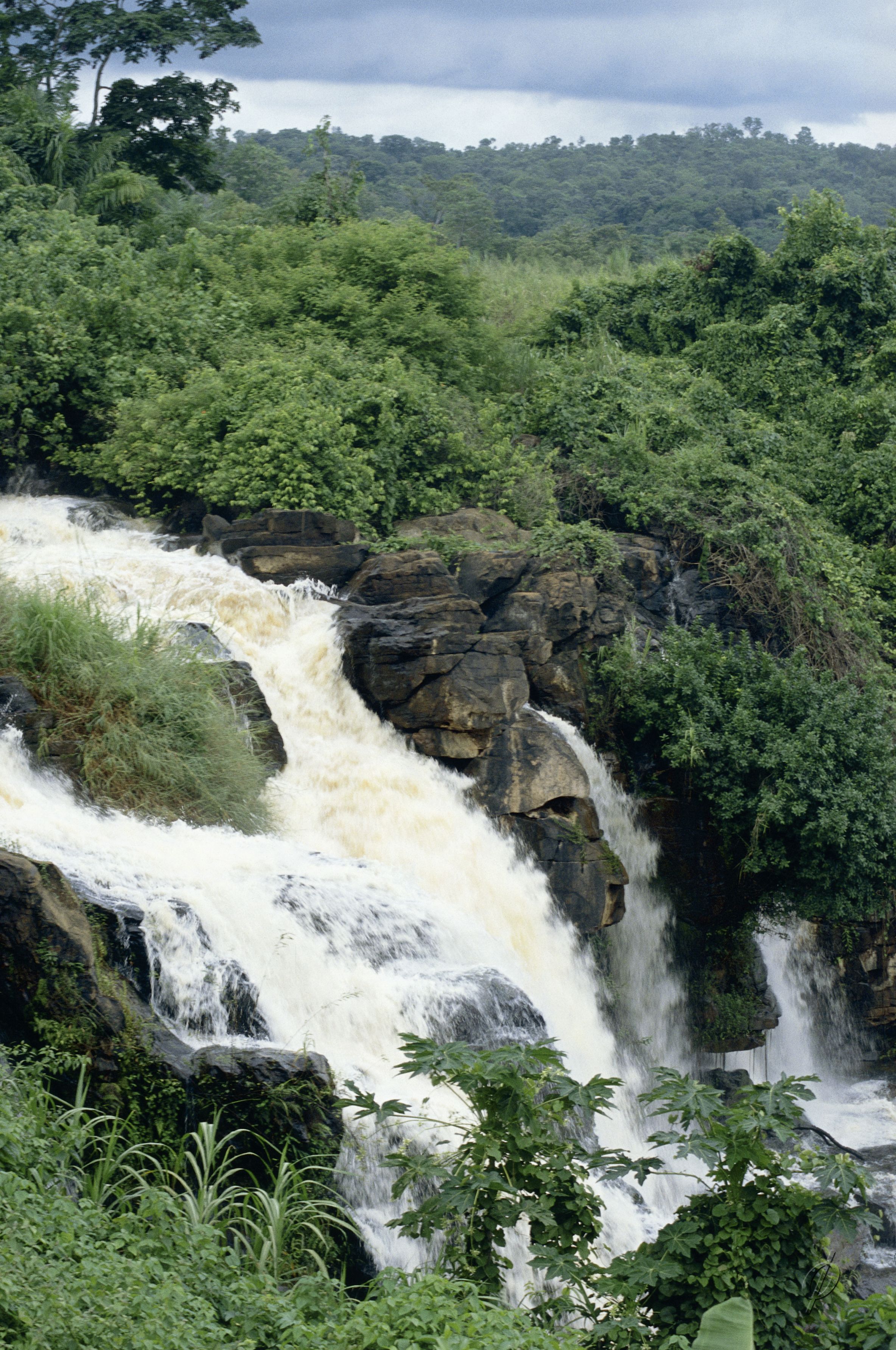
Dzanga-Sangha, Sangha Trinational, Manovo-Gounda St Floris, Boali Falls, and forest/savanna landscapes are important, but access is high-risk and specialist-only.

Beach1/5

Central African Republic is landlocked and has no meaningful beach-travel angle.

Road trip1/5

Independent road trips are a poor fit because armed groups, road closures, landmines, poor infrastructure, and weak emergency support can quickly turn routes dangerous.

Beginner-friendly1/5

CAR is not beginner-friendly: French or Sango are important, emergency support is limited, and current official guidance says not to travel.

Social1/5

Social travel is mainly through formal work, NGO, diplomatic, or conservation networks rather than casual visitor circuits.


A few words go a long way

French and Sango are the practical languages. English is very limited outside diplomatic, NGO, security, or specialist conservation contacts.

English ease 1/5

Learn French for your trip →
Où est la gare ?Where is the station?

Safety & health

The U.S. Department of State rates Central African Republic Level 4: Do Not Travel because of unrest, crime, kidnapping, landmines, inadequate health care, and terrorism; emergency support is limited and official staff need special authorization outside Bangui.

Read more →

On the route

  • Armed groups and militias control or contest areas outside Bangui; roadblocks, arbitrary searches, detention, robbery, kidnapping, and carjacking can occur. Use pre-arranged trusted transport, avoid night travel, and carry certified ID copies.
  • Most roads are poor or unpaved, can close without warning, and often require a 4WD vehicle; rainy-season roads from May to November can become impassable and flooding can cut off routes.
  • Landmines and unexploded ordnance are known risks outside Bangui, including near the Cameroon border, the Chad tri-border, Bambari, and northwestern IED areas; do not travel off established routes.

Health

  • Medical facilities are very limited and Bangui hospitals are basic; routine or emergency treatment may be unavailable, so comprehensive medical-evacuation insurance is essential.
  • FCDO lists 117 for ambulance, fire, and police and 610600 for ambulance, but emergency numbers are unreliable and unlikely to respond outside Bangui; use only vetted medical support.
  • Yellow fever, malaria, cholera, Zika, mpox, and border health screening are current concerns; carry medicines, use safe water, avoid uncertain ice, and consult a travel-health clinician.

Check the entry context for your passport

Central African Republic requires advance, passport- and purpose-dependent visa planning. British citizens should use the Central African Republic Embassy in Paris, carry a passport valid at least six months after arrival, and provide yellow-fever proof; U.S. guidance also requires a visa before travel, one blank page, and a requested 30-, 60-, 90-day, or one-year duration. Minors, dual nationals, humanitarian or NGO staff, journalists, transit, overland entry, and other passports are case-specific; confirm the responsible mission before any exceptional travel.

Read more →

Central African Republic requires advance, passport- and purpose-dependent visa planning. British citizens should use the Central African Republic Embassy in Paris, carry a passport valid at least six months after arrival, and provide yellow-fever proof; U.S. guidance also requires a visa before travel, one blank page, and a requested 30-, 60-, 90-day, or one-year duration. Minors, dual nationals, humanitarian or NGO staff, journalists, transit, overland entry, and other passports are case-specific; confirm the responsible mission before any exceptional travel.

Keep the details current

A short list of the most useful official, climate, tourism, and route references behind this guide.

5 source groups
View all sources

Open plan: Open the app

Transport, language, entry, and safety are the details that shape how this trip feels day to day.