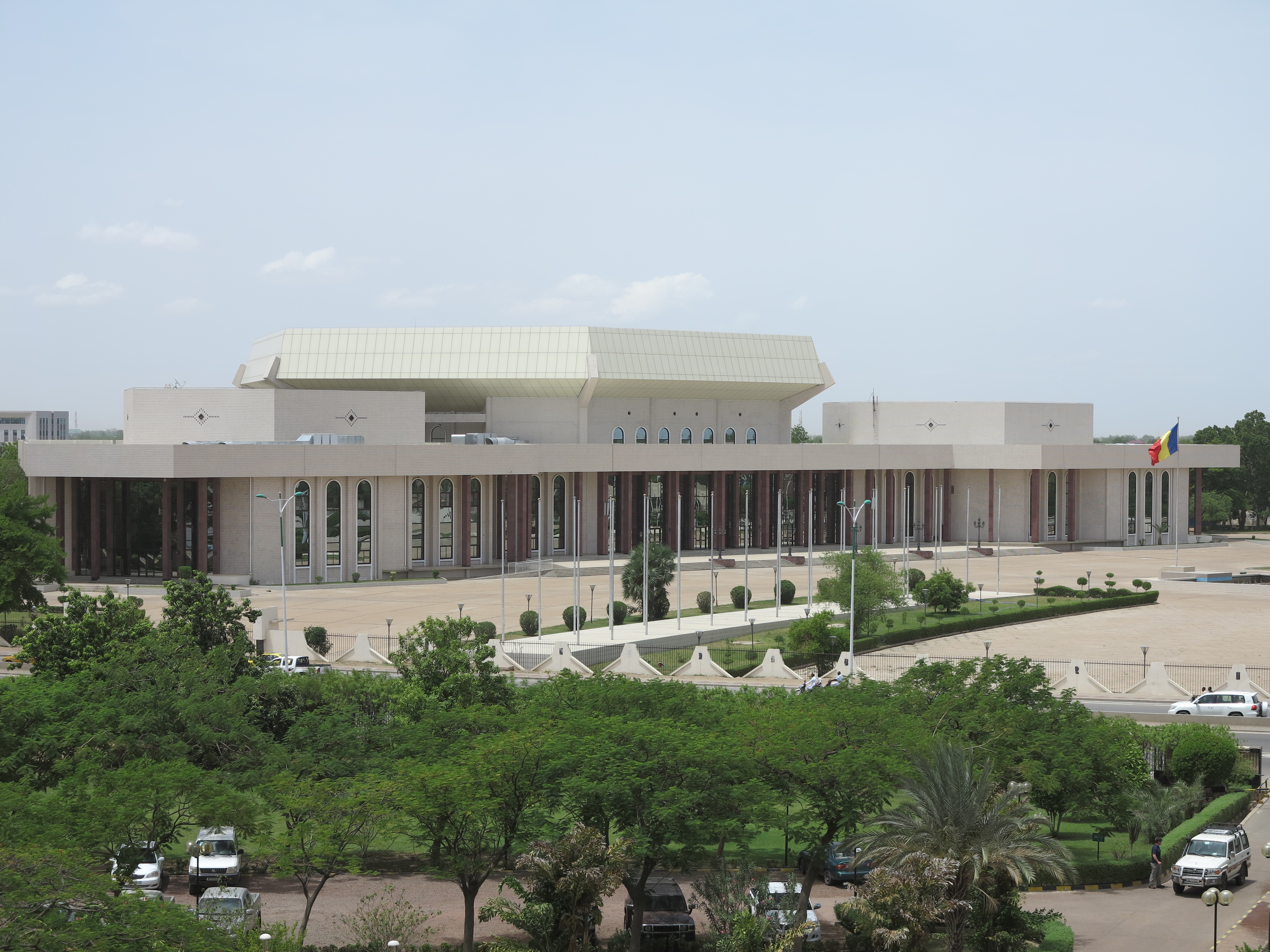
Chad
← Back to destinations

Chad

Chad is a vast landlocked Sahel and Sahara country with the Ennedi Massif, the Lakes of Ounianga, Zakouma wildlife, Lake Chad, and a culturally diverse capital in N'Djamena. These landscapes have real expedition and research value, but current official guidance makes Chad unsuitable for ordinary leisure travel.

DesertWildlifeResearch

What this trip is really like

Chad is a vast landlocked Sahel and Sahara country with the Ennedi Massif, the Lakes of Ounianga, Zakouma wildlife, Lake Chad, and a culturally diverse capital in N'Djamena. These landscapes have real expedition and research value, but current official guidance makes Chad unsuitable for ordinary leisure travel.

Capital
N'Djamena
Population
21.004 million residents (UNData 2025 estimate)
Language
Arabic, French
Currency
Central African CFA franc Currency converter ↗
Timezone
Africa/Ndjamena
Ideal trip length
Depends on the route
Emergency
police: 2020, medical: 1212 (ambulance), fire: 1212

A good fit if you…

Nature

Getting around

Transport, language, entry, and safety are the details that shape how this trip feels day to day.

Getting around

Use pre-arranged secure cars in N'Djamena and professional operators outside the capital; travel outside N'Djamena requires Chadian authorization, permits, communications, and a police or military escort. Roads are dangerous, fuel can be scarce, and July-October rains can make routes impassable; travel by day in convoy with supplies and a medical-evacuation plan. Under current Level 4 and FCDO restrictions, the highlights are contextual rather than ordinary leisure routes.

Language

French and Chadian Arabic are the practical travel languages. English is limited to some international hotels, aid, diplomatic, security, or specialist expedition contacts.

English ease 1/5

Visa

Chad requires advance, passport- and purpose-dependent visa planning; there is no ordinary visa-on-arrival route for U.S. travelers. British guidance requires a Chadian embassy visa, a passport valid at least six months after arrival, police registration for stays over 72 hours, and route-dependent yellow-fever proof. Other passport categories, minors, transit, work, humanitarian, media, park permits, border crossings, and police registration must be confirmed with the responsible Chadian mission before any exceptional travel, and current no-travel advice remains decisive.

Safety & health

The U.S. Department of State rates Chad Level 4: Do Not Travel because of crime, terrorism, unrest, inadequate health infrastructure, kidnapping, and landmines; emergency support outside N'Djamena is extremely limited.

Level 4: Do not travel

Explore destination

These are the places that most strongly shape a first trip through Chad.

Best time, month by month

November to February is generally the drier, less oppressive climate window around N'Djamena; March and December can also be workable with support.

ExcellentGoodOkayLess ideal

December · Excellent

Shoulder

December is generally dry with more comfortable temperatures, but harmattan dust, cool mornings, and current security restrictions still matter.

Climate at a glance

See the seasonal pattern month by month.

Temperature

34 °C15 °CJan
37 °C19 °CFeb
41 °C23 °CMar
42 °C26 °CApr
41 °C27 °CMay
38 °C26 °CJun
34 °C24 °CJul
31 °C22 °CAug
34 °C23 °CSep
37 °C23 °COct
37 °C19 °CNov
34 °C16 °CDec

Precipitation

0 mmJan
0 mmFeb
0 mmMar
4 mmApr
27 mmMay
75 mmJun
167 mmJul
193 mmAug
118 mmSep
24 mmOct
0 mmNov
0 mmDec

Climate source →

Full Travel Fit

A wider view of how this destination matches different travel styles.

Backpacking1/5

Chad is a poor backpacking fit because the current advisory is Level 4 and flexible low-cost travel conflicts with security, transport, health, and evacuation requirements.

Digital nomad1/5

Long stays are practical only for well-supported diplomatic, aid, security, research, or business assignments with secure housing and transport in or around N'Djamena.

Budget1/5

Realistic travel costs are high because safe transport, 4x4 support, guides, communications, security, insurance, and medical evacuation planning matter more than local prices.

Safety1/5

Safety is a score of 1: the U.S. advisory is Level 4: Do Not Travel, and FCDO advises against all but essential travel even in N'Djamena.

Nightlife1/5

Night movement is a major risk factor; even official U.S. movement in N'Djamena has restrictions and armored-vehicle requirements.

Nature4/5

Zakouma, Ennedi, Ounianga, Lake Chad, and Saharan landscapes are genuinely exceptional, but access is specialist-only under current no-travel guidance.

Beach1/5

Chad is landlocked and not a beach destination; Lake Chad is ecologically important but not a casual lakeside leisure substitute.

Road trip1/5

Independent road trips are a poor fit because of poor roads, checkpoints, rainy-season closures, mine risk, terrorism, kidnapping, and the need for 4x4 support.

Beginner-friendly1/5

Chad is not beginner-friendly: French or Arabic are important, health care is weak, security planning is serious, and current official guidance says not to travel.

Social1/5

Social travel is mainly through formal work, NGO, diplomatic, or expedition networks rather than casual visitor circuits.


A few words go a long way

French and Chadian Arabic are the practical travel languages. English is limited to some international hotels, aid, diplomatic, security, or specialist expedition contacts.

English ease 1/5

Learn Arabic for your trip →
أين المحطة؟Where is the station?'ayn almahatatu?

Safety & health

The U.S. Department of State rates Chad Level 4: Do Not Travel because of crime, terrorism, unrest, inadequate health infrastructure, kidnapping, and landmines; emergency support outside N'Djamena is extremely limited.

Read more →

On the route

  • Armed robbery and carjacking are common; avoid walking or driving at night, use pre-arranged secure cars in N'Djamena, keep doors locked, carry a certified passport copy, and expect checkpoints.
  • Outside N'Djamena, FCDO says to obtain Ministry of Interior authorization, use a police or military escort, carry communications equipment and permits, and get professional security advice; roads, fuel shortages, and border risks make independent travel unsuitable.
  • Boko Haram and Islamic State West Africa remain active around Lake Chad; kidnapping is a high risk in the Lake Chad Basin and border areas, and landmines or unexploded ordnance remain a serious hazard in northern, eastern, and southern provinces.

Health

  • Medical facilities are poor even in N'Djamena; routine and emergency treatment may be unavailable, so comprehensive insurance and medical evacuation planning are essential.
  • Call 1212 for an ambulance; use boiled or bottled water, avoid ice, review vaccines and malaria prevention with a travel-health clinician, and carry needed medicines.
  • U.S. guidance says pediatric care is poor to nonexistent and advises against bringing children; all travelers should plan for delayed or unavailable treatment.

Check the entry context for your passport

Chad requires advance, passport- and purpose-dependent visa planning; there is no ordinary visa-on-arrival route for U.S. travelers. British guidance requires a Chadian embassy visa, a passport valid at least six months after arrival, police registration for stays over 72 hours, and route-dependent yellow-fever proof. Other passport categories, minors, transit, work, humanitarian, media, park permits, border crossings, and police registration must be confirmed with the responsible Chadian mission before any exceptional travel, and current no-travel advice remains decisive.

Read more →

Chad requires advance, passport- and purpose-dependent visa planning; there is no ordinary visa-on-arrival route for U.S. travelers. British guidance requires a Chadian embassy visa, a passport valid at least six months after arrival, police registration for stays over 72 hours, and route-dependent yellow-fever proof. Other passport categories, minors, transit, work, humanitarian, media, park permits, border crossings, and police registration must be confirmed with the responsible Chadian mission before any exceptional travel, and current no-travel advice remains decisive.

Keep the details current

A short list of the most useful official, climate, tourism, and route references behind this guide.

6 source groups
View all sources

Open plan: Open the app

Transport, language, entry, and safety are the details that shape how this trip feels day to day.