Cocos (Keeling) Islands
← Back to destinations

Cocos (Keeling) Islands

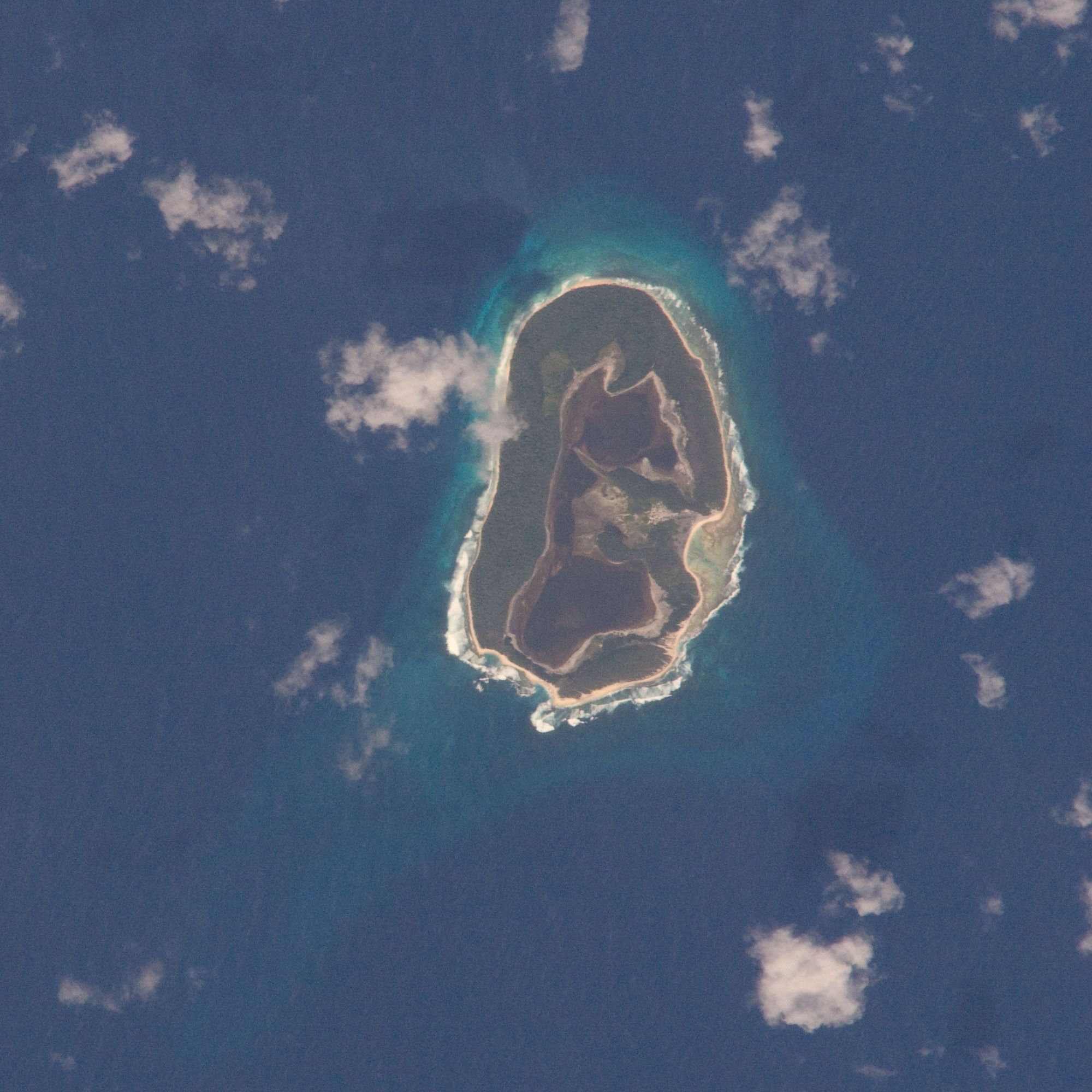
Cocos (Keeling) Islands is a remote Australian territory made up of 27 coral islands in two atolls in the eastern Indian Ocean. Only West Island and Home Island are inhabited; most visitors combine beaches and water activities on West Island with Cocos Malay culture on Home Island and scheduled trips across the lagoon.

NatureBeachCultureDiving

What this trip is really like

Cocos (Keeling) Islands is a remote Australian territory made up of 27 coral islands in two atolls in the eastern Indian Ocean. Only West Island and Home Island are inhabited; most visitors combine beaches and water activities on West Island with Cocos Malay culture on Home Island and scheduled trips across the lagoon.

Capital
West Island
Population
About 600 residents
Language
English, Cocos Malay
Currency
Australian dollar Currency converter ↗
Timezone
Indian/Cocos
Ideal trip length
Depends on the route
Emergency
police: 000, fire: 000, medical: 000

A good fit if you…

Nature
Beach

Getting around

Transport, language, entry, and safety are the details that shape how this trip feels day to day.

Getting around

Qantas is the current passenger carrier from Perth and flights are limited. On the islands, hire a car or bike for West Island, use the ferry between West and Home islands and scheduled trips to Direction Island, and take the local shuttle to Rumah Baru jetty. Book vehicles ahead and check ferry days because services stop on public holidays except flight days.

Language

English is used for official services and visitor logistics; Cocos Malay is central to Home Island community life.

English ease 4/5

Visa

Cocos (Keeling) Islands is an Australian territory. Travel from mainland Australia does not require a passport or visa, but each passenger must present government-issued identification for Customs and Immigration clearance. Arrivals from outside Australia need a passport and may need an Australian visa or travel authority under the ordinary Department of Home Affairs rules.

Safety & health

Cocos has a small, generally close-knit community; the main visitor risks are tropical weather, sea conditions, coral, heat, and limited local services.

Generally safe with remote-island hazards

Explore destination

These are the places that most strongly shape a first trip through Cocos (Keeling) Islands.

Best time, month by month

Cocos is warm year-round. BOM records the wettest averages from January to July, October as the driest month, and stronger trade winds from June to October; tropical cyclone risk is greatest from November to April.

ExcellentGoodOkayLess ideal

February · Excellent

Shoulder

February is hot and humid, with 192.3 mm of long-term average rain and a higher chance of thunderstorms or marine disruption.

Climate at a glance

See the seasonal pattern month by month.

Temperature

30 °C25 °CJan
30 °C25 °CFeb
30 °C25 °CMar
30 °C25 °CApr
29 °C25 °CMay
29 °C25 °CJun
28 °C24 °CJul
28 °C24 °CAug
28 °C24 °CSep
29 °C24 °COct
29 °C25 °CNov
29 °C25 °CDec

Precipitation

190 mmJan
167 mmFeb
307 mmMar
246 mmApr
185 mmMay
220 mmJun
202 mmJul
95 mmAug
87 mmSep
58 mmOct
124 mmNov
170 mmDec

Climate source →

Full Travel Fit

A wider view of how this destination matches different travel styles.

Backpacking2/5

The ferry and local shuttle make simple island-hopping possible, but flights, accommodation, car hire, and supplies are limited enough that a shoestring route is difficult.

Digital nomad1/5

Cocos is a poor remote-work base: there is no mobile reception, WiFi depends on accommodation, flights are limited, and longer-stay logistics need careful advance planning.

Budget2/5

Daily food and ferry costs can be manageable, but the long flight from Perth, small accommodation supply, advance vehicle hire, and limited banking make Cocos a difficult low-budget destination.

Safety3/5

The community is generally calm, but cyclone-season weather, currents, coral, limited medical capacity, and possible evacuation to Perth make this a moderate rather than carefree fit.

Nightlife1/5

Nightlife is deliberately small-scale, centred on occasional community events and the Cocos Club rather than a late-night bar or club circuit.

Nature5/5

Nature is the core draw: coral atolls, beaches, lagoon trips, seabirds, turtles, reef fish, and the protected Pulu Keeling National Park dominate the experience.

Beach4/5

Direction Island and West Island offer striking white-sand beaches and lagoon access, although ferry days, tides, wind, and reef conditions determine what is practical.

Road trip2/5

A hired car is useful for West Island beaches and points of interest, but the island is small and the broader trip relies on ferries and boats rather than a conventional road route.

Beginner-friendly2/5

English, a welcoming community, and a simple West Island base help first-time visitors, but limited flights, no mobile reception, ferry schedules, and remote medical care require preparation.

Social3/5

Visitors can meet people through the Cocos Club, volunteer-led activities, guided Home Island cultural tours, and community celebrations, though the social scene is small and local-led.


A few words go a long way

English is used for official services and visitor logistics; Cocos Malay is central to Home Island community life.

English ease 4/5

Learn English for your trip →

Safety & health

Cocos has a small, generally close-knit community; the main visitor risks are tropical weather, sea conditions, coral, heat, and limited local services.

Read more →

On the route

  • Weather and marine conditions can change quickly; follow local warnings and postpone exposed activities when operators or authorities advise it.
  • There is no mobile reception on Cocos. Carry offline accommodation and emergency contacts and use WiFi, landlines, or public phones when needed.
  • Call 000 for emergencies and follow local cyclone or marine instructions.

Health

  • Bring enough prescription medicine for the full trip; official guidance says special medicines may take up to a week to obtain.
  • West and Home Island clinics offer essential services, while serious cases may be sent to Perth for treatment.
  • Use sun protection, stay hydrated, and check that travel insurance covers remote medical evacuation.

Check the entry context for your passport

Cocos (Keeling) Islands is an Australian territory. Travel from mainland Australia does not require a passport or visa, but each passenger must present government-issued identification for Customs and Immigration clearance. Arrivals from outside Australia need a passport and may need an Australian visa or travel authority under the ordinary Department of Home Affairs rules.

Read more →

German passport holders are listed by Home Affairs among ETA-eligible passports. Apply before travel and check the current Australian entry and transit requirements for the exact itinerary.

Open plan: Open the app

Transport, language, entry, and safety are the details that shape how this trip feels day to day.