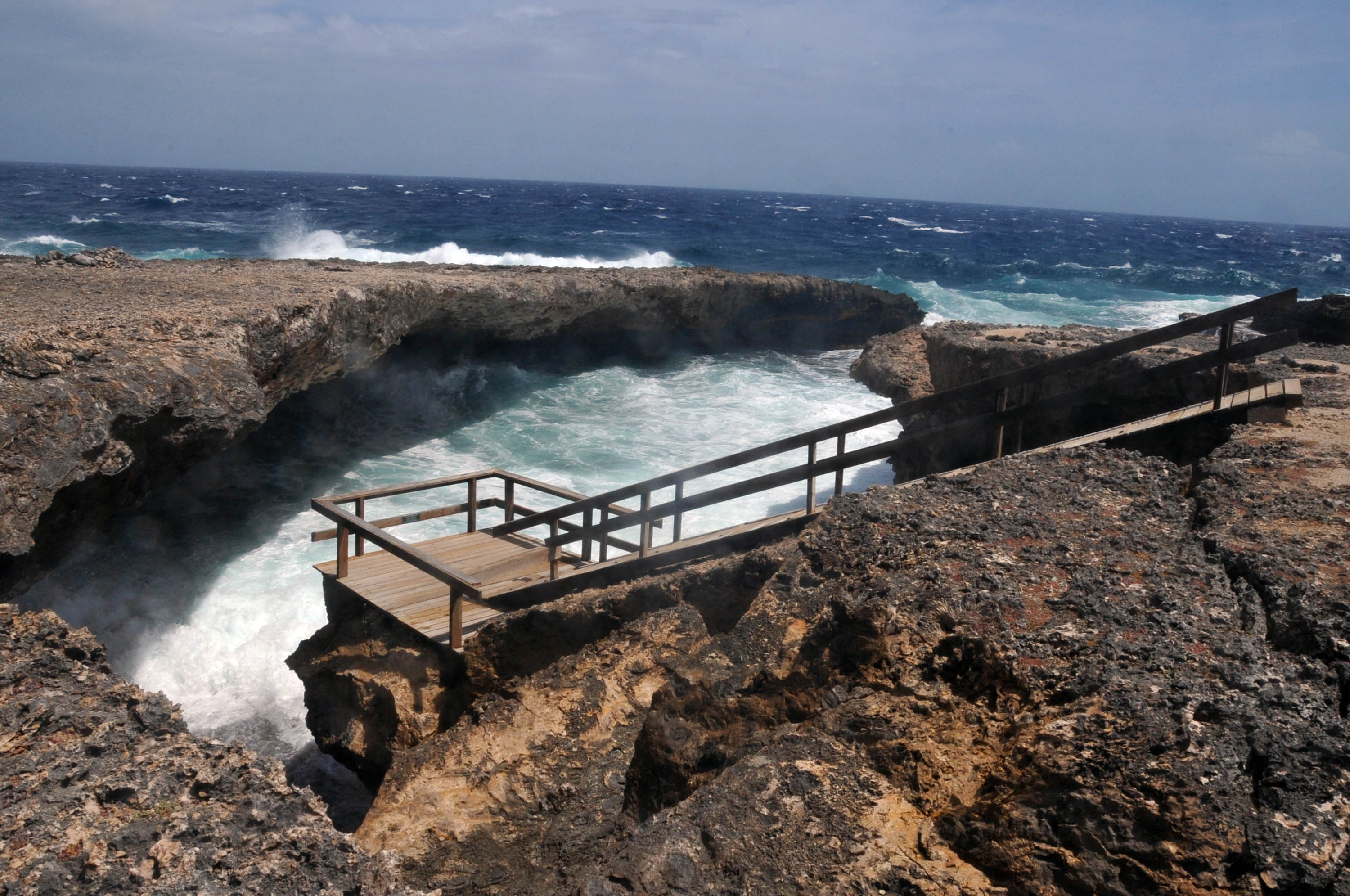
Curaçao
← Back to destinations

Curaçao

Curaçao is a Dutch Caribbean island for colorful Willemstad streets, clear-water beaches, diving, snorkeling, beach clubs, road trips to western coves, and year-round warm weather outside the main hurricane belt.

BeachesDivingColorful towns

What this trip is really like

Curaçao is a Dutch Caribbean island for colorful Willemstad streets, clear-water beaches, diving, snorkeling, beach clubs, road trips to western coves, and year-round warm weather outside the main hurricane belt.

Capital
Willemstad
Population
156,115 (CBS Curaçao, 1 January 2025)
Language
English, Dutch, Papiamento
Currency
Netherlands Antillean guilder Currency converter ↗
Timezone
America/Curacao
Ideal trip length
Depends on the route
Emergency
police: 911, medical: 911, fire: 911

A good fit if you…

Safety
Beach
Road trip
Beginner-friendly

Getting around

Transport, language, entry, and safety are the details that shape how this trip feels day to day.

Getting around

Curaçao's tourism board lists rental cars, taxis, and public buses. A rental car is the most flexible option for beaches, Westpunt, Shete Boka, viewpoints, and restaurants outside Willemstad; small buses and larger Konvoi buses run from central terminals, while taxis suit airport and nightlife transfers.

Language

English is easy for most visitor needs, alongside Dutch and Papiamento; local greetings in Papiamento are appreciated.

English ease 4/5

Visa

All visitors must complete Curaçao's mandatory Digital Immigration Card online and carry the submitted form. Visa-free tourists generally may stay up to 30 consecutive days and up to 90 days in a 180-day period; Dutch and U.S. nationals may stay up to 180 consecutive days in a 365-day period. Rules depend on the passport: German, British, Canadian, Australian, and U.S. passport holders are on Curaçao's visa-free list, while ordinary Indian passport holders generally need a Caribbean visa unless they qualify for an official exemption such as a valid multiple-entry Schengen visa or qualifying U.S./Canada residence permit. Passports must generally be no more than 10 years old and valid for the whole stay, with onward travel, accommodation or purpose, sufficient funds, and travel insurance; paid work requires a work permit.

Safety & health

The U.S. Department of State's current Curaçao advisory is Level 1: Exercise Normal Precautions; the page was reissued on August 19, 2024 after periodic review without changes.

Level 1: Exercise normal precautions

Explore destination

These are the places that most strongly shape a first trip through Curaçao.

Best time, month by month

Curaçao is warm and breezy year-round, outside the hurricane belt. February through June is usually the driest period; July through September can bring brief showers, while October through December are the wettest months.

ExcellentGoodOkayLess ideal

April · Excellent

Shoulder

April stays warm and is usually very dry, while shoulder-season demand can bring a little more space and value to Willemstad and the beaches.

Climate at a glance

See the seasonal pattern month by month.

Temperature

30 °C24 °CJan
30 °C24 °CFeb
30 °C24 °CMar
31 °C26 °CApr
32 °C26 °CMay
32 °C26 °CJun
32 °C26 °CJul
33 °C26 °CAug
33 °C27 °CSep
33 °C26 °COct
31 °C26 °CNov
31 °C25 °CDec

Precipitation

43 mmJan
17 mmFeb
13 mmMar
18 mmApr
23 mmMay
29 mmJun
40 mmJul
38 mmAug
32 mmSep
84 mmOct
113 mmNov
74 mmDec

Climate source →

Full Travel Fit

A wider view of how this destination matches different travel styles.

Backpacking3/5

Curaçao can work for independent travelers, but rental cars and lodging make it pricier than classic backpacker islands. It is best for a short, beach-focused route from Willemstad or Westpunt.

Digital nomad3/5

Willemstad and beach-area apartments can support longer stays with good services, English use, and warm weather. Costs, car dependence, and stay limits are the main constraints.

Budget2/5

Curaçao is not a strong low-budget destination because flights, car rental, imported goods, beach clubs, and accommodation add up. Self-catering and shoulder-season stays help.

Safety4/5

Curaçao is Level 1 and generally low risk for visitors. Practical care still matters for beach belongings, car break-ins, nightlife, sun, sea conditions, and isolated roads.

Nightlife3/5

Mambo Beach, Pietermaai, Willemstad, resorts, beach bars, and occasional events give Curaçao a decent evening scene without making it a full party island.

Nature3/5

Shete Boka, Christoffelpark, coral reefs, sea caves, cactus landscapes, flamingo areas, and rugged north-coast scenery add variety beyond beaches.

Beach5/5

Clear coves, snorkeling beaches, west-coast stops, Klein Curaçao, and easy beach-club days make beaches one of the island’s main strengths.

Road trip4/5

A car is very useful for beach-hopping, Westpunt, national parks, viewpoints, restaurants, and flexible days outside Willemstad.

Beginner-friendly4/5

English use, low advisory level, compact distances, reliable weather, and simple beach logistics make Curaçao beginner-friendly, especially with a rental car.

Social3/5

Social travel is easiest around hostels, dive shops, beach clubs, Pietermaai, Mambo Beach, boat trips, and resort bars.


A few words go a long way

English is easy for most visitor needs, alongside Dutch and Papiamento; local greetings in Papiamento are appreciated.

English ease 4/5

Learn English for your trip →

Safety & health

The U.S. Department of State's current Curaçao advisory is Level 1: Exercise Normal Precautions; the page was reissued on August 19, 2024 after periodic review without changes.

Read more →

On the route

  • Curaçao is generally safe for visitors, but petty theft and car break-ins can happen around beaches, parking areas, and tourist zones.
  • Avoid leaving valuables in rental cars or unattended on beaches.
  • Use licensed taxis or known transport after late nights in Willemstad, Mambo Beach, or party areas.

Health

  • Medical care is generally available in Willemstad, but travel insurance is still important.
  • Sun exposure, dehydration, reef cuts, sea conditions, mosquito bites, and diving safety are practical health risks.
  • Tap water is desalinated and generally safe to drink.

Check the entry context for your passport

All visitors must complete Curaçao's mandatory Digital Immigration Card online and carry the submitted form. Visa-free tourists generally may stay up to 30 consecutive days and up to 90 days in a 180-day period; Dutch and U.S. nationals may stay up to 180 consecutive days in a 365-day period. Rules depend on the passport: German, British, Canadian, Australian, and U.S. passport holders are on Curaçao's visa-free list, while ordinary Indian passport holders generally need a Caribbean visa unless they qualify for an official exemption such as a valid multiple-entry Schengen visa or qualifying U.S./Canada residence permit. Passports must generally be no more than 10 years old and valid for the whole stay, with onward travel, accommodation or purpose, sufficient funds, and travel insurance; paid work requires a work permit.

Read more →

All visitors must complete Curaçao's mandatory Digital Immigration Card online and carry the submitted form. Visa-free tourists generally may stay up to 30 consecutive days and up to 90 days in a 180-day period; Dutch and U.S. nationals may stay up to 180 consecutive days in a 365-day period. Rules depend on the passport: German, British, Canadian, Australian, and U.S. passport holders are on Curaçao's visa-free list, while ordinary Indian passport holders generally need a Caribbean visa unless they qualify for an official exemption such as a valid multiple-entry Schengen visa or qualifying U.S./Canada residence permit. Passports must generally be no more than 10 years old and valid for the whole stay, with onward travel, accommodation or purpose, sufficient funds, and travel insurance; paid work requires a work permit.

Open plan: Open the app

Transport, language, entry, and safety are the details that shape how this trip feels day to day.