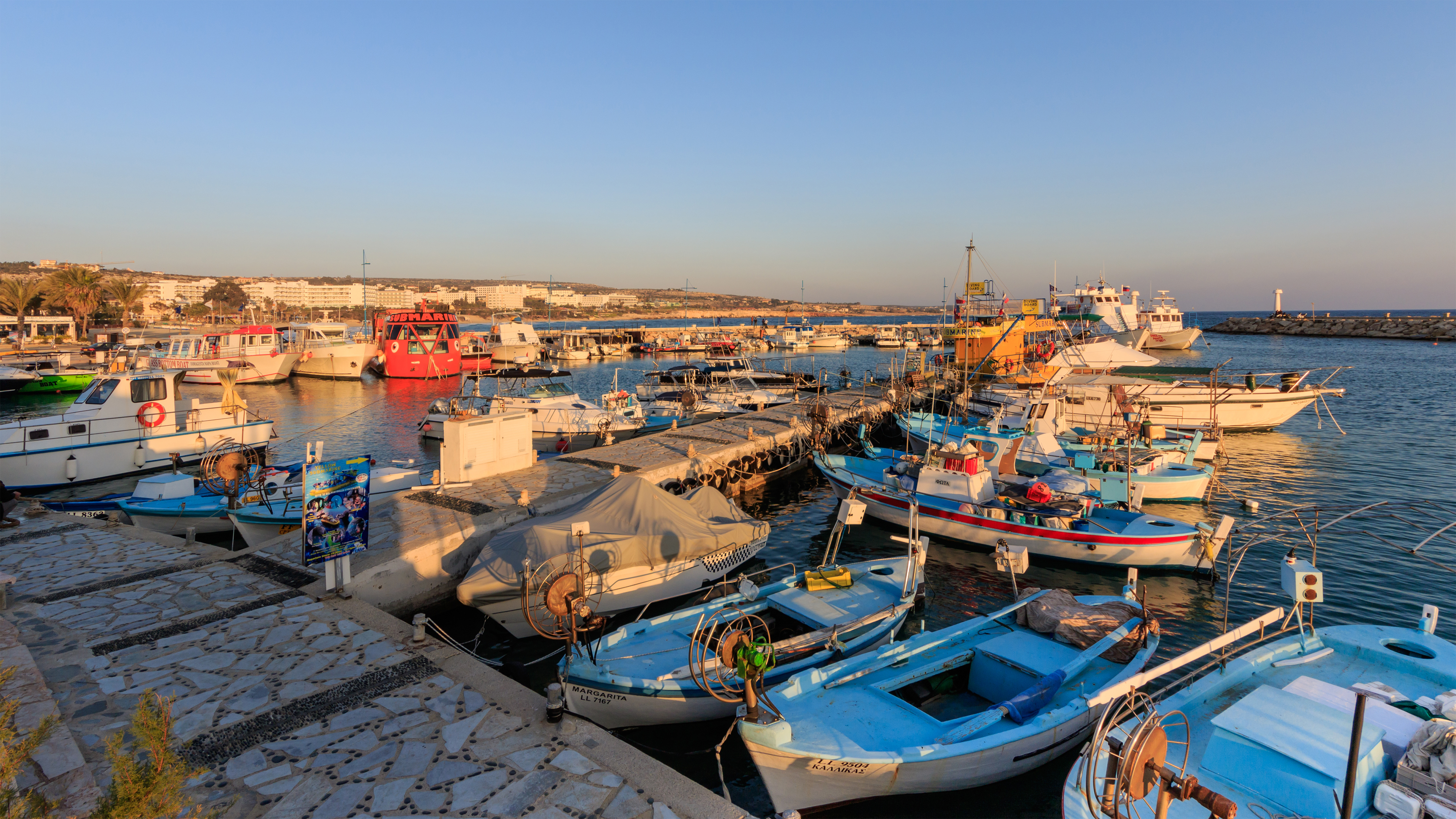
Cyprus is manageable for independent travelers, but buses and accommodation costs make it less backpacker-cheap than nearby mainland destinations. It works best with focused town bases or shared car plans.
Nicosia, Limassol, Larnaca, and Paphos can support longer stays with good services and EU-style infrastructure, though costs, car dependence, and visa limits need planning.
Cyprus can be moderate with apartments, bakeries, tavernas, buses, and shoulder-season timing, but beach resorts, car rental, summer prices, and imported goods raise costs.
Cyprus is Level 1 overall and generally safe. Main caveats are buffer-zone rules, extra caution in the Turkish Cypriot-administered area, nightlife awareness, road safety, heat, and wildfire risk.
Ayia Napa is a major party base, while Limassol, Nicosia, Larnaca, and Paphos offer bars, restaurants, beach clubs, and late dining without needing a full party route.
Troodos hiking, Akamas, Cape Greco, beaches, sea caves, vineyards, cedar valleys, and seasonal wildflowers give Cyprus a stronger outdoor angle than the old city-only profile suggested.
Ayia Napa, Protaras, Paphos, Larnaca, Limassol, Akamas, and smaller coves make beaches a core Cyprus strength, especially from late spring through autumn.
A car is one of the best ways to link beaches, ruins, villages, wine routes, mountain viewpoints, and quieter coves. Drive on the left and expect winding mountain roads.
English use, low crime, compact distances, familiar infrastructure, and many resorts make Cyprus easy for first-time visitors, as long as travelers understand driving and crossing rules.
Social travel is easiest in Ayia Napa, Limassol, Paphos, beach resorts, hostels, bars, diving trips, and group tours. Outside summer resort areas the island is calmer.