Congo - Kinshasa
← Back to destinations

Congo - Kinshasa

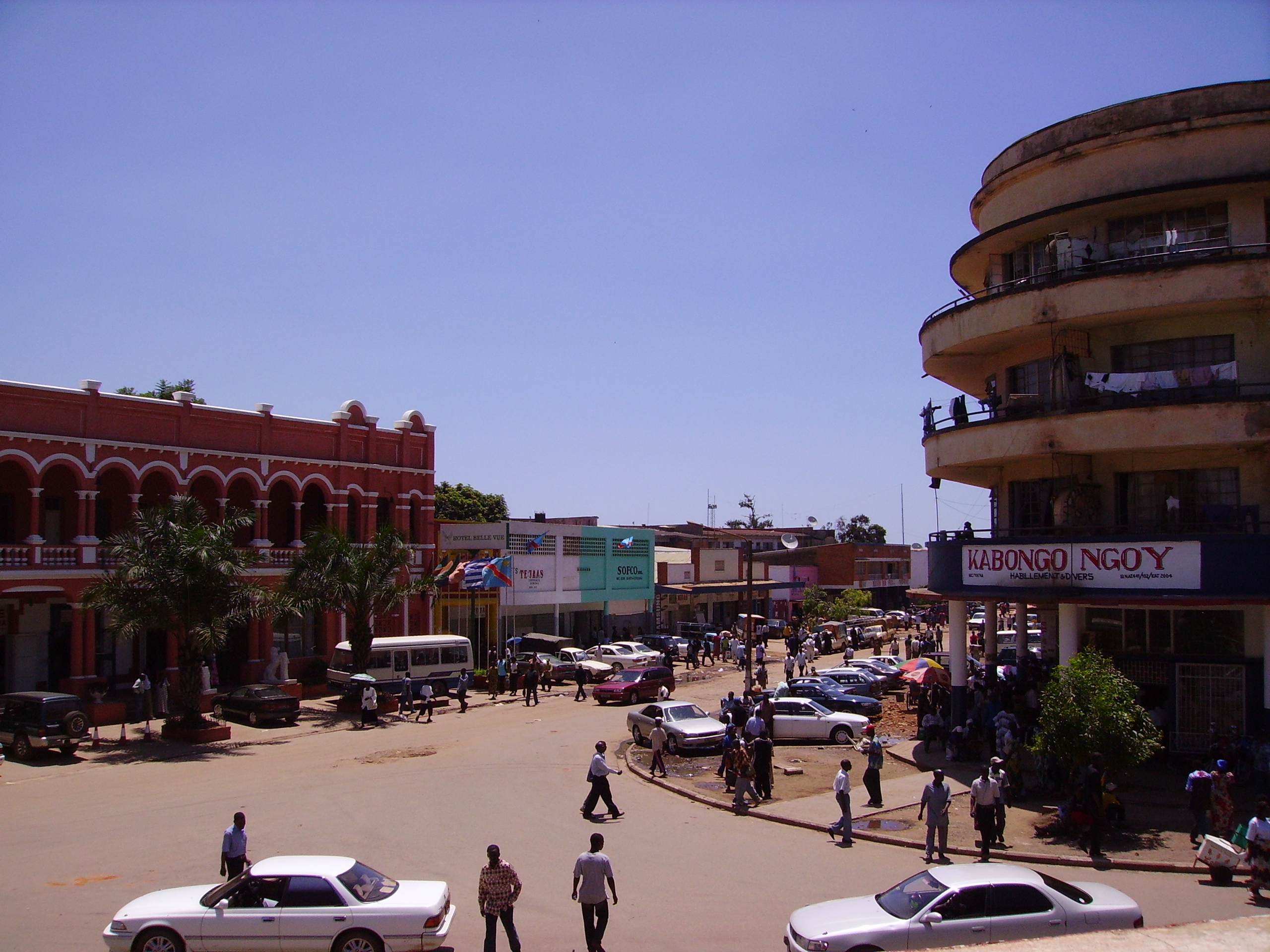
The Democratic Republic of the Congo spans the Congo Basin, the Congo River, eastern mountains, major mineral regions, Kinshasa’s music culture, and globally important wildlife reserves. Current U. S. Level 4 and FCDO regional warnings make it a specialist destination rather than a standard vacation choice.

WildlifeResearchExpeditions

What this trip is really like

The Democratic Republic of the Congo spans the Congo Basin, the Congo River, eastern mountains, major mineral regions, Kinshasa’s music culture, and globally important wildlife reserves. Current U. S. Level 4 and FCDO regional warnings make it a specialist destination rather than a standard vacation choice.

Capital
Kinshasa
Population
112.832 million residents (UNData 2025 estimate)
Language
French, Kikongo, Lingala, Tshiluba, Swahili
Currency
Congolese franc Currency converter ↗
Timezone
Africa/Kinshasa, Africa/Lubumbashi
Ideal trip length
Depends on the route
Emergency
police: 112 (Kinshasa), medical: No general number; contact a hospital, fire: 118 (Kinshasa)

A good fit if you…

Nature

Getting around

Transport, language, entry, and safety are the details that shape how this trip feels day to day.

Getting around

Transport is one of the hardest parts of DRC travel. Kinshasa has the clearest air links, but accommodation and overland routes are limited outside major towns; roads, checkpoints, seasonal disruption, network outages, and conflict can close routes without warning. Goma and Bukavu airports are currently not operating commercial flights, so confirm every movement with an experienced organisation and current FCDO advice.

Language

French is the practical travel language. English may help with some international organizations, larger hotels, and expat contacts in Kinshasa, but it is not a dependable fallback for transport, police, health care, or regional travel.

English ease 1/5

Visa

For a full British citizen passport, DRC requires a visa and a passport valid for at least 6 months after arrival. Current FCDO guidance says to apply through the DRC Embassy in the UK and allow 2 to 3 weeks; some applications are referred to Kinshasa, and a Ministry-stamped invitation letter may help. The official DGM eVisa portal exists, but eligibility and processing can vary, so do not assume an eVisa or visa on arrival without confirmation. Yellow-fever proof and, in some circumstances, polio proof are required; Ebola screening may include forms and temperature checks. Rwandan or Ugandan immigration stamps, dual nationality, work, research, journalism, transit, and departure-tax rules need the applicable official confirmation.

Safety & health

The U.S. Department of State currently lists DRC at Level 4: Do Not Travel because of health, crime, unrest, terrorism, and kidnapping. It also reports an Ebola outbreak and limited in-person consular support, especially outside Kinshasa.

Level 4; do not travel

Explore destination

These are the places that most strongly shape a first trip through Congo - Kinshasa.

Best time, month by month

Kinshasa is hottest and comparatively drier around January to March in the current climate dataset, but security, health restrictions, road access, and official advisories matter more than weather when assessing any DRC trip.

ExcellentGoodOkayLess ideal

August · Excellent

High

August remains comparatively dry in the capital, but conditions differ sharply in the equatorial forest and eastern highlands, where access must be confirmed locally.

Climate at a glance

See the seasonal pattern month by month.

Temperature

31 °C22 °CJan
32 °C22 °CFeb
32 °C22 °CMar
32 °C22 °CApr
31 °C22 °CMay
29 °C19 °CJun
28 °C18 °CJul
29 °C19 °CAug
31 °C21 °CSep
31 °C22 °COct
31 °C22 °CNov
31 °C22 °CDec

Precipitation

136 mmJan
127 mmFeb
183 mmMar
221 mmApr
142 mmMay
5 mmJun
2 mmJul
5 mmAug
43 mmSep
131 mmOct
250 mmNov
217 mmDec

Climate source →

Full Travel Fit

A wider view of how this destination matches different travel styles.

Backpacking1/5

Independent backpacking is a poor fit because the advisory level, road conditions, permit burden, and limited emergency support make flexible low-cost travel unsafe.

Digital nomad1/5

Long stays are practical only for well-supported work, NGO, research, diplomatic, or business assignments with secured housing, transport, health cover, and contingency planning.

Budget2/5

Daily basics can be inexpensive, but safe transport, vetted lodging, permits, drivers, security support, and medical backup make realistic travel costs much higher.

Safety1/5

DRC is currently Level 4 in U.S. guidance and has FCDO restricted regions, with conflict, crime, kidnapping, terrorism, health, and limited consular-support risks.

Nightlife1/5

Kinshasa has a major music and nightlife culture, but late-night movement and venue choice require trusted local advice and secure transport.

Nature5/5

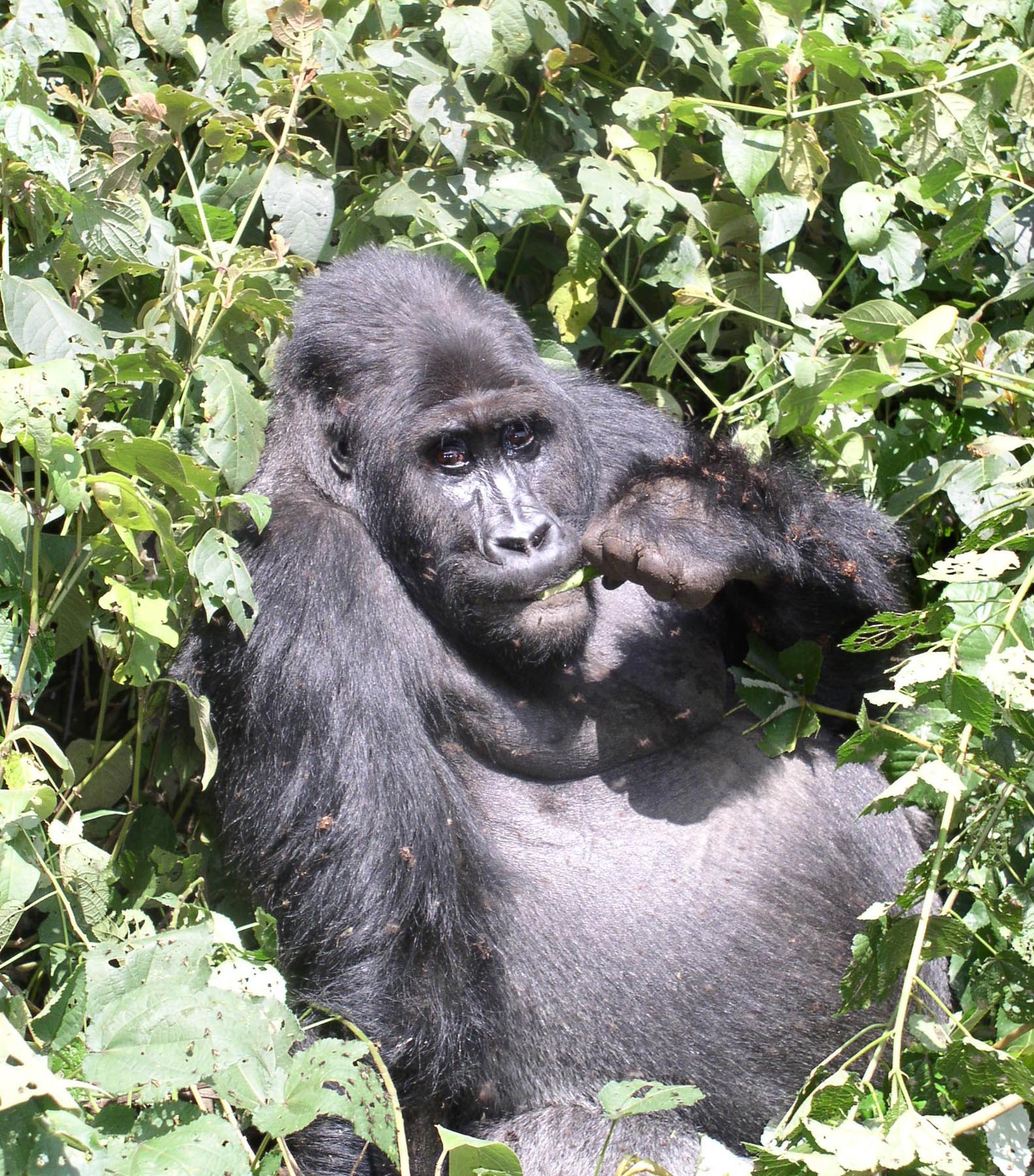
The nature value is exceptional, with Virunga, Kahuzi-Biega, Salonga, Garamba, and Okapi Wildlife Reserve all UNESCO-listed, but access is constrained by security and conservation conditions.

Beach1/5

DRC has only a very small Atlantic outlet, so beach travel is not a meaningful reason to plan a trip compared with river, rainforest, and mountain landscapes.

Road trip1/5

Long-distance road trips are a poor fit because road quality, distances, checkpoints, rainy-season disruption, and security risks can quickly overwhelm plans.

Beginner-friendly1/5

This is not a beginner destination: French is important, logistics are complex, health infrastructure is weak, and official advisories warn against travel.

Social1/5

Social travel is mainly viable through established work, research, diaspora, or expat networks in Kinshasa rather than casual traveler circuits.


A few words go a long way

French is the practical travel language. English may help with some international organizations, larger hotels, and expat contacts in Kinshasa, but it is not a dependable fallback for transport, police, health care, or regional travel.

English ease 1/5

Learn French for your trip →
Où est la gare ?Where is the station?

Safety & health

The U.S. Department of State currently lists DRC at Level 4: Do Not Travel because of health, crime, unrest, terrorism, and kidnapping. It also reports an Ebola outbreak and limited in-person consular support, especially outside Kinshasa.

Read more →

On the route

  • FCDO reports that M23 rebels and Rwanda Defence Forces have captured Goma and Bukavu and surrounding areas; clashes continue around Uvira, routes are limited, and borders can close at short notice. Commercial flights are not operating from Goma or Bukavu airports.
  • Avoid current U.S. and FCDO restricted areas, demonstrations, checkpoints, unplanned overland travel, and night movement. Protests can turn violent and internet or mobile networks may be reduced or cut.
  • Street robbery and scams affect Kinshasa, Lubumbashi, and other urban centres. Travel with experienced organisations or trusted local security support, and confirm insurance coverage because official warnings can invalidate policies.

Health

  • FCDO reports an Ebola Bundibugyo outbreak announced by the DRC Ministry of Health in Ituri on 15 May; WHO has declared a Public Health Emergency of International Concern. Malaria, cholera, yellow fever, mpox, and altitude sickness are also risks.
  • There is no general emergency medical number in DRC. Medical care is extremely limited outside Kinshasa, where basic stabilisation may be possible; evacuation to South Africa or elsewhere may be necessary.
  • Carry essential medicines in marked packaging, arrange comprehensive medical-evacuation insurance, and check yellow-fever, polio, Ebola-screening, and destination-specific health rules before departure.

Check the entry context for your passport

For a full British citizen passport, DRC requires a visa and a passport valid for at least 6 months after arrival. Current FCDO guidance says to apply through the DRC Embassy in the UK and allow 2 to 3 weeks; some applications are referred to Kinshasa, and a Ministry-stamped invitation letter may help. The official DGM eVisa portal exists, but eligibility and processing can vary, so do not assume an eVisa or visa on arrival without confirmation. Yellow-fever proof and, in some circumstances, polio proof are required; Ebola screening may include forms and temperature checks. Rwandan or Ugandan immigration stamps, dual nationality, work, research, journalism, transit, and departure-tax rules need the applicable official confirmation.

Read more →

For a full British citizen passport, DRC requires a visa and a passport valid for at least 6 months after arrival. Current FCDO guidance says to apply through the DRC Embassy in the UK and allow 2 to 3 weeks; some applications are referred to Kinshasa, and a Ministry-stamped invitation letter may help. The official DGM eVisa portal exists, but eligibility and processing can vary, so do not assume an eVisa or visa on arrival without confirmation. Yellow-fever proof and, in some circumstances, polio proof are required; Ebola screening may include forms and temperature checks. Rwandan or Ugandan immigration stamps, dual nationality, work, research, journalism, transit, and departure-tax rules need the applicable official confirmation.

Keep the details current

A short list of the most useful official, climate, tourism, and route references behind this guide.

5 source groups
View all sources

Open plan: Open the app

Transport, language, entry, and safety are the details that shape how this trip feels day to day.