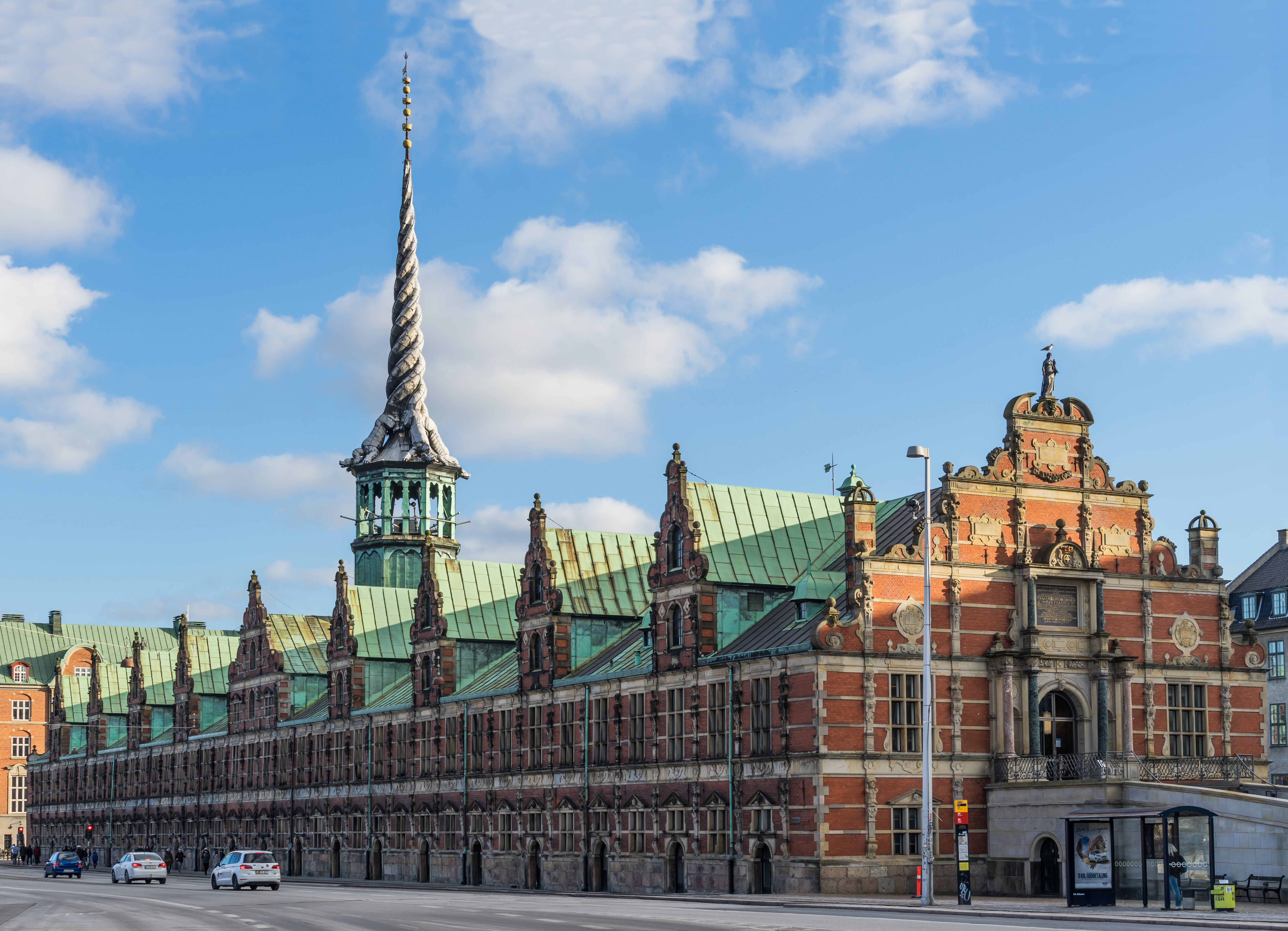
Denmark is easy to navigate by train, bus, ferry, and bike, but high lodging and food costs make it less budget-friendly than many backpacking routes.
Copenhagen and Aarhus offer strong infrastructure, cafes, coworking, English-friendly services, and reliable transport, with high rent and Schengen limits as the main constraints.
Denmark is expensive by European standards. Supermarkets, bakeries, hostels, bike rental, picnic meals, and shoulder-season travel help, but Copenhagen costs add up quickly.
Denmark is generally well organized and low-friction, but the current advisory is increased caution due to terrorism risk. Petty theft and cycling mistakes are the more common visitor issues.
Copenhagen has strong bars, clubs, food halls, breweries, and summer evening energy. Aarhus adds a younger student-city scene; smaller towns are quieter.
Denmark rewards softer outdoor travel: beaches, dunes, cycling routes, islands, coastal walks, forests, and birding rather than mountains or wilderness.
Denmark has real beach value in summer, especially North Jutland, Bornholm, Zealand, and island coasts, though water and wind can be cool outside peak season.
Short distances, bridges, ferries, coast roads, castles, islands, and Jutland loops make driving useful, while trains remain easier for city-to-city routes.
English is widely workable, transport is reliable, payment is easy, cities are organized, and tourism infrastructure is strong, making Denmark very accessible for first-time Europe travelers.
Hostels, food markets, bars, cycling tours, festivals, and summer waterfront spaces make Copenhagen and Aarhus social, especially in warmer months.