Dominica can work for independent travelers who like hiking, guesthouses, buses, and guides, but roads, rain, and trail access make it less frictionless than beach-resort islands.
Roseau and some guesthouse areas can support work basics, but internet consistency, terrain, transport, limited coworking, and small-island services make long remote-work stays niche.
Guesthouses, buses, local food, and hiking can be moderate, but guided hikes, rental cars, dive trips, and remote lodging add up.
Dominica is Level 1 and generally safe. Main risks are theft, hurricanes, heavy rain, steep roads, isolated hikes, trail conditions, water activities, and limited medical evacuation options.
Nightlife is low-key outside Roseau, local bars, festivals, and occasional music events. Dominica is a nature-first destination, not a party island.
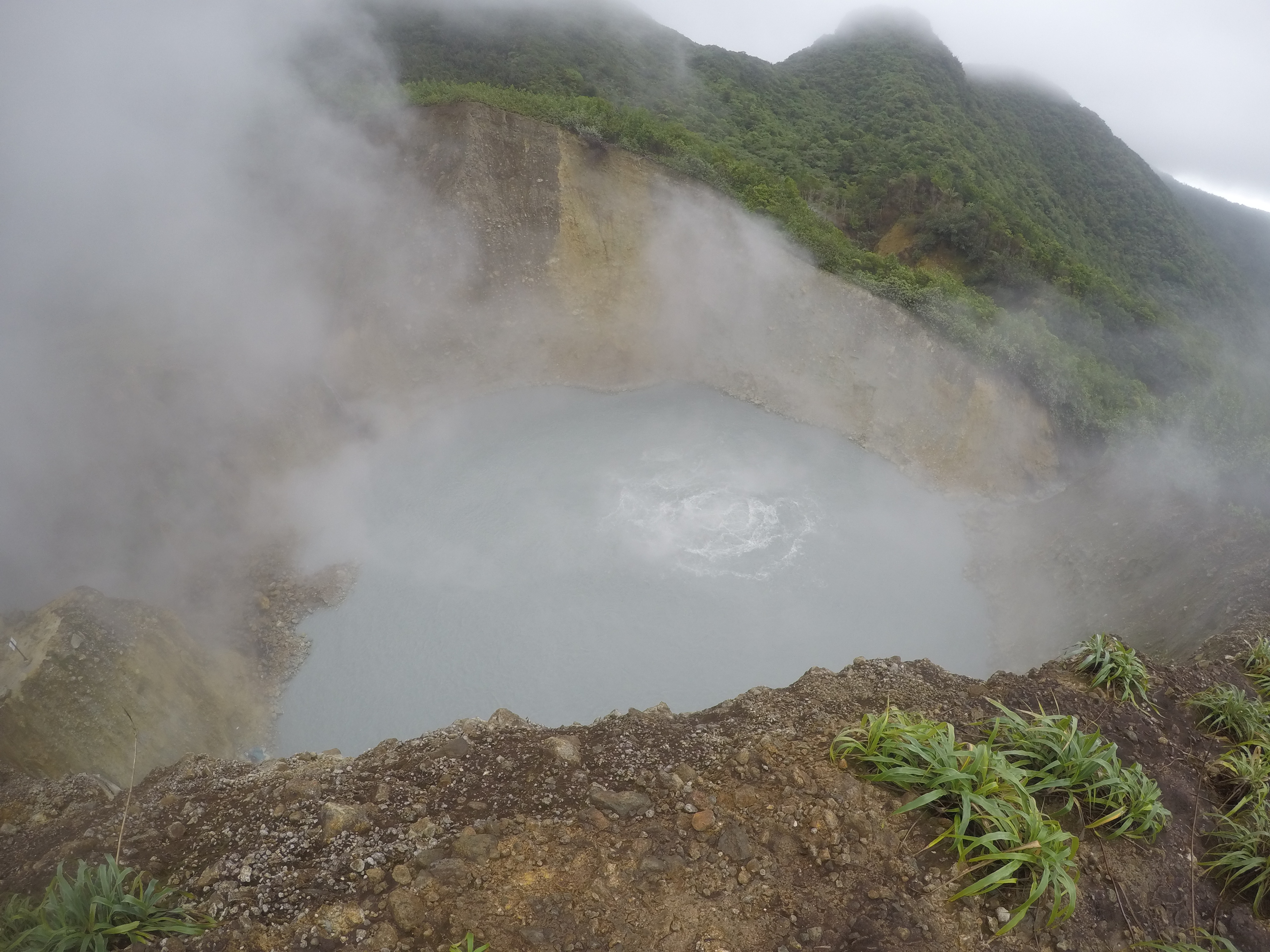
Rainforest, waterfalls, Boiling Lake, Morne Trois Pitons, hot springs, rivers, whale watching, dive sites, and Kalinago east-coast landscapes make nature the primary draw.
Dominica has attractive coastal and snorkel spots, but beaches are mostly dark-sand or rugged and secondary to hiking, rainforest, waterfalls, diving, and culture.
A car or driver unlocks waterfalls, villages, trailheads, dive areas, and scenic coast roads, but narrow left-side mountain driving requires confidence.
English and low crime help, but rainforest weather, mountain roads, limited medical care, and guide-dependent hikes make Dominica better for active travelers than total beginners.
Social travel is easiest through guesthouses, dive shops, guides, hiking groups, local bars, markets, and festival periods rather than large resort circuits.



.jpg)


.jpg)
