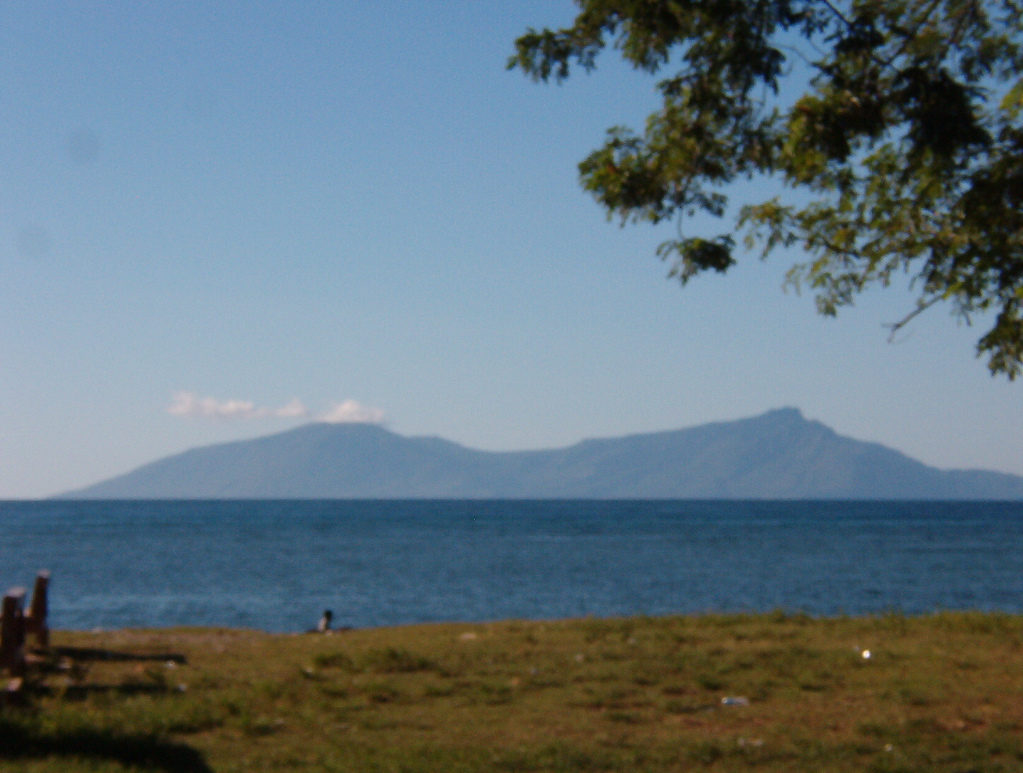
Timor-Leste
← Back to destinations

Timor-Leste

Timor-Leste is a raw, rewarding Southeast Asian island destination for travelers who want coral reefs, mountain roads, coffee highlands, Portuguese-Timorese history, and low-crowd adventure.

DivingMountainsCultureAdventure

What this trip is really like

Timor-Leste is a raw, rewarding Southeast Asian island destination for travelers who want coral reefs, mountain roads, coffee highlands, Portuguese-Timorese history, and low-crowd adventure. Dili is the main transport hub. Visitors use taxis, private drivers, rental vehicles, small buses and mikrolets, plus boats to Atauro and Oecusse.

Capital
Dili
Population
1.43 million (INETL 2026 projection)
Language
Portuguese, Tetum
Currency
United States dollar Currency converter ↗
Timezone
Asia/Dili
Ideal trip length
Depends on the route
Emergency
police: 112, medical: 112, fire: 112

A good fit if you…

Nature
Beach

Getting around

Transport, language, entry, and safety are the details that shape how this trip feels day to day.

Getting around

Dili is the main transport hub. Visitors use taxis, private drivers, rental vehicles, small buses and mikrolets, plus boats to Atauro and Oecusse. Tourism Timor-Leste notes that Atauro and Oecusse schedules change and that rough, mountainous roads often make a 4WD vehicle and local driver useful. Traffic keeps left; roads are poorly lit or maintained, wet-season damage can disrupt cross-island routes, and public transport is not a good late-night option.

Language

English works in some hotels, dive operators, NGOs, and Dili visitor services. Tetum is the most useful everyday language, while Portuguese and Indonesian can also help depending on age, setting, and region.

English ease 3/5

Visa

Entry is passport- and route-dependent. Timor-Leste Customs says most visitors can obtain a 30-day tourist or business visa on arrival only at Dili International Airport or Dili Seaport, for USD 30 in cash. Travelers need a passport valid for at least six months with an unused page, an arrival card, genuine-visit and accommodation evidence, sufficient funds, and return or onward travel. Land-border treatment is different: most nationalities need a Visa Application Authorization in advance; Customs lists Indonesian, Portuguese, and U.S. nationals as exceptions, while current U.S. guidance warns that land-border visas on arrival are no longer generally available. Extensions, work, and longer stays require separate checks.

Safety & health

The current U.S. advisory is Level 2 — exercise increased caution — because of crime and unrest. Avoid demonstrations and crowds, use caution walking or driving after dark, and keep a low profile; stone-throwing attacks on vehicles can occur during gang conflicts or unrest.

Exercise increased caution

Explore destination

These are the places that most strongly shape a first trip through Timor-Leste.

Best time, month by month

May to November is the drier and more practical travel window for Timor-Leste, especially for diving, Atauro, Mount Ramelau, Jaco, and long road trips.

ExcellentGoodOkayLess ideal

June · Excellent

Peak

June is one of the best months for first-time Timor-Leste routes, with better odds for clear roads, diving, hiking, and island access.

Climate at a glance

See the seasonal pattern month by month.

Temperature

28 °C22 °CJan
29 °C22 °CFeb
29 °C21 °CMar
29 °C21 °CApr
29 °C20 °CMay
28 °C19 °CJun
28 °C19 °CJul
28 °C18 °CAug
29 °C19 °CSep
30 °C20 °COct
30 °C22 °CNov
30 °C22 °CDec

Precipitation

213 mmJan
205 mmFeb
181 mmMar
156 mmApr
135 mmMay
66 mmJun
50 mmJul
13 mmAug
17 mmSep
54 mmOct
121 mmNov
231 mmDec

Climate source →

Full Travel Fit

A wider view of how this destination matches different travel styles.

Backpacking3/5

Independent travel is possible for experienced backpackers using simple guesthouses, buses, mikrolets, and ferries, but weak infrastructure and safety concerns limit spontaneity.

Digital nomad2/5

Dili can support light remote work, but connectivity, power reliability, workspaces, and backup options are not strong enough outside the capital.

Budget3/5

Simple food and lodging can be moderate, but private drivers, 4WD trips, diving, Atauro logistics, and scarce services push costs up.

Safety2/5

Level 2 safety guidance, crime, unrest, harassment risk, road hazards, limited medical care, and uneven tourism standards make careful planning necessary.

Nightlife2/5

Dili has some cafes, bars, and expat venues, but nightlife is limited and late-night movement needs caution.

Nature5/5

Atauro reefs, Jaco beaches, Ramelau, highlands, caves, coffee country, and remote national-park routes make nature the strongest travel fit.

Beach4/5

Atauro, Jaco, Cristo Rei beaches, and the north and east coasts can be excellent, but access, safety, and infrastructure are more demanding than resort islands.

Road trip3/5

Road trips can be rewarding for experienced travelers, especially to Baucau, Ramelau, and Tutuala, but roads, rain, lighting, checkpoints, and security require caution.

Beginner-friendly2/5

Timor-Leste is not a casual first international trip because logistics, safety, language, health care, cash, roads, and remote services require preparation.

Social3/5

Dili cafes, dive operators, guesthouses, NGOs, local guides, and village stays can be social, but it is not a broad hostel or nightlife scene.


A few words go a long way

English works in some hotels, dive operators, NGOs, and Dili visitor services. Tetum is the most useful everyday language, while Portuguese and Indonesian can also help depending on age, setting, and region.

English ease 3/5

Learn Portuguese for your trip →
Onde fica a estação?Where is the station?

Safety & health

The current U.S. advisory is Level 2 — exercise increased caution — because of crime and unrest. Avoid demonstrations and crowds, use caution walking or driving after dark, and keep a low profile; stone-throwing attacks on vehicles can occur during gang conflicts or unrest.

Read more →

Check the entry context for your passport

Entry is passport- and route-dependent. Timor-Leste Customs says most visitors can obtain a 30-day tourist or business visa on arrival only at Dili International Airport or Dili Seaport, for USD 30 in cash. Travelers need a passport valid for at least six months with an unused page, an arrival card, genuine-visit and accommodation evidence, sufficient funds, and return or onward travel. Land-border treatment is different: most nationalities need a Visa Application Authorization in advance; Customs lists Indonesian, Portuguese, and U.S. nationals as exceptions, while current U.S. guidance warns that land-border visas on arrival are no longer generally available. Extensions, work, and longer stays require separate checks.

Read more →

Entry is passport- and route-dependent. Timor-Leste Customs says most visitors can obtain a 30-day tourist or business visa on arrival only at Dili International Airport or Dili Seaport, for USD 30 in cash. Travelers need a passport valid for at least six months with an unused page, an arrival card, genuine-visit and accommodation evidence, sufficient funds, and return or onward travel. Land-border treatment is different: most nationalities need a Visa Application Authorization in advance; Customs lists Indonesian, Portuguese, and U.S. nationals as exceptions, while current U.S. guidance warns that land-border visas on arrival are no longer generally available. Extensions, work, and longer stays require separate checks.

Open plan: Open the app

Transport, language, entry, and safety are the details that shape how this trip feels day to day.