Egypt has hostels, trains, buses, cheap food, and classic independent routes, but scams, heat, harassment, checkpoints, long distances, and safety-sensitive regions make it more demanding than easy backpacker countries.
Cairo, Alexandria, Dahab, Hurghada, and some Red Sea towns can work for longer stays with affordable living and cafes, but internet consistency, bureaucracy, traffic, heat, and visa limits need planning.
Egypt can be very good value for food, taxis, guesthouses, museums, and local transport, though guides, tips, cruises, diving, balloons, premium hotels, and private transfers add up.
Official advice is Level 2 with do-not-travel areas. Major tourist routes are common, but terrorism, crime, health, scams, harassment, traffic, heat, checkpoints, and restricted areas require active caution.
Cairo, Alexandria, Dahab, Hurghada, Sharm el-Sheikh, and some resort zones have cafes, lounges, music, and late dining, but nightlife is uneven and more limited than in party-led destinations.
The Nile, Red Sea reefs, desert landscapes, oases, Sinai mountain routes where permitted, Lake Nasser, and birding/wetland areas give Egypt a strong nature angle beyond antiquities.
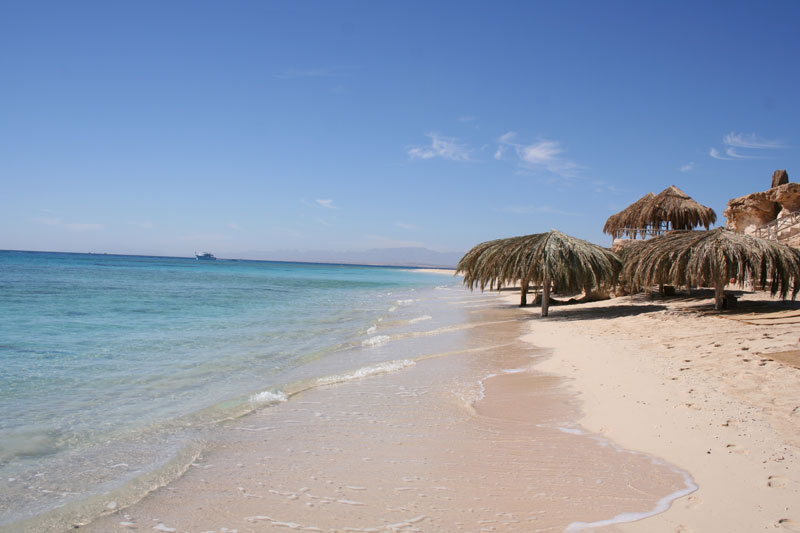
The Red Sea is a major beach, diving, and snorkeling destination, with Hurghada, Sharm el-Sheikh, Dahab, Marsa Alam, reefs, resorts, and warm weather across much of the year.
Egypt is usually better with flights, trains, boats, buses, or licensed transfers than self-driving. Long distances, traffic, checkpoints, desert risk, and restricted regions make casual road trips difficult.
Egypt is rewarding but not especially beginner-friendly: first-timers must handle heat, touts, scams, bargaining, traffic, cultural norms, safety advisories, and more guided logistics than usual.
Hostels, group tours, Nile cruises, diving, Red Sea towns, Cairo food routes, museum days, and classic backpacker circuits make Egypt social when routes are planned well.




.jpg)
