El Salvador is compact, affordable, and increasingly practical for backpackers, especially around surf towns, San Salvador, Santa Ana, Ruta de las Flores, and shuttle-linked routes.
San Salvador and surf towns can support remote work basics, but infrastructure, safety habits, transport, and short-stay rules need checking before committing to a long stay.
Local food, buses, guesthouses, surf hostels, and short distances can make El Salvador good value. Private shuttles, car rental, tours, and beach-area stays raise costs.
The current U.S. advisory is Level 1, but the State of Exception, detention risk, demonstrations, road and landslide hazards, surf, volcanoes, and uneven services still require disciplined travel habits.
San Salvador and surf towns offer bars, music, restaurants, and social hostels. Nightlife is useful but should be planned with trusted transport.
Volcanoes, crater lakes, Pacific surf, coffee highlands, waterfalls, mangroves, and national parks make nature much stronger than the old San Salvador-only profile suggested.
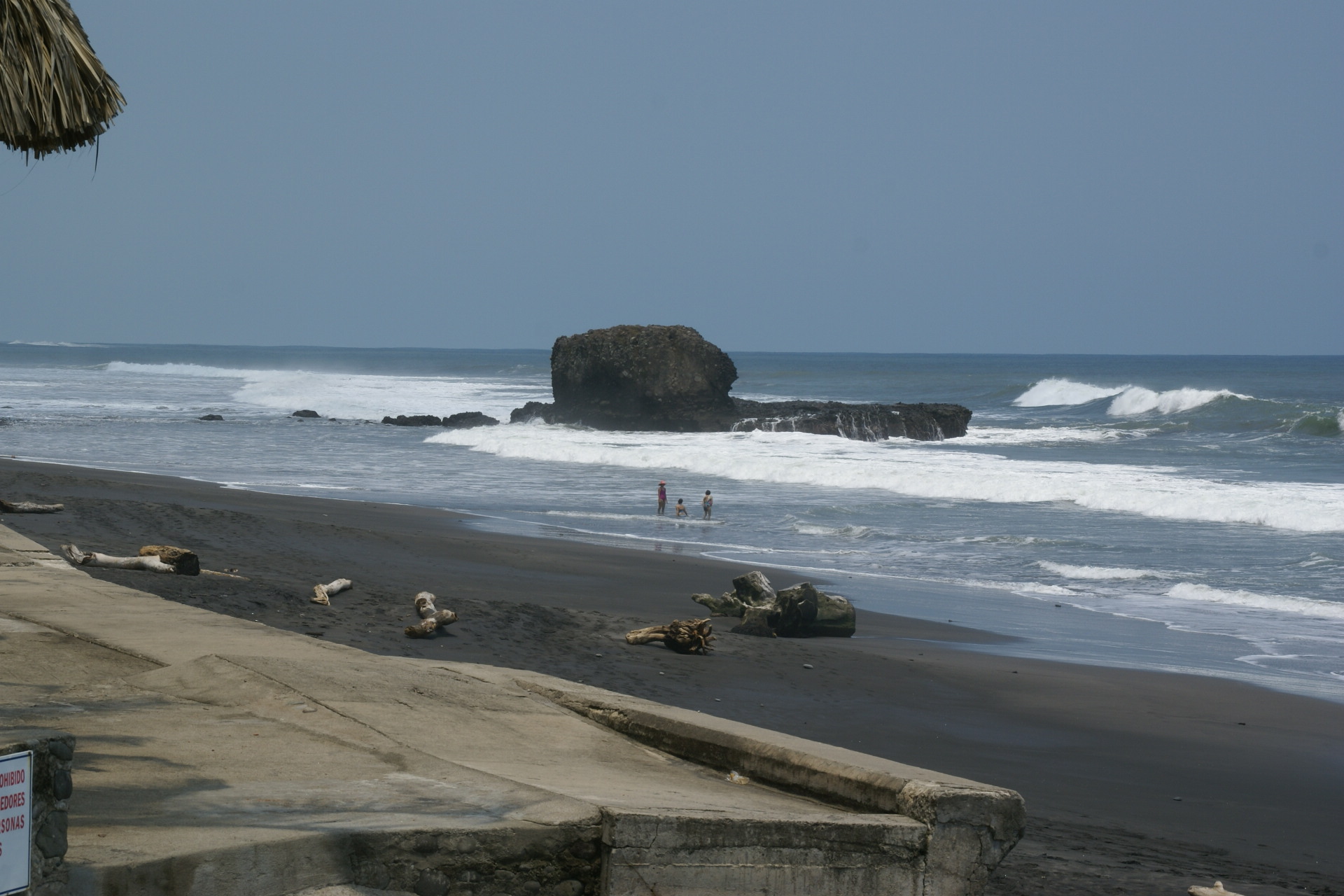
The Pacific coast is a major surf draw, especially around La Libertad, El Tunco, El Zonte, and the Surf City corridor. Beaches are surf-led more than calm-swim resort beaches.
Short distances make road trips efficient for volcanoes, towns, beaches, and coffee routes, but rainy-season landslides and night-driving limits need planning.
El Salvador is compact and easier than its old reputation suggests, but Spanish, road conditions, safety habits, and surf/volcano logistics make it better for moderately confident travelers.
Surf hostels, shuttles, food tours, volcano hikes, Spanish schools, cafes, and beach towns make it easy to meet other travelers on the main route.






.jpg)
