Ethiopia
← Back to destinations

Ethiopia

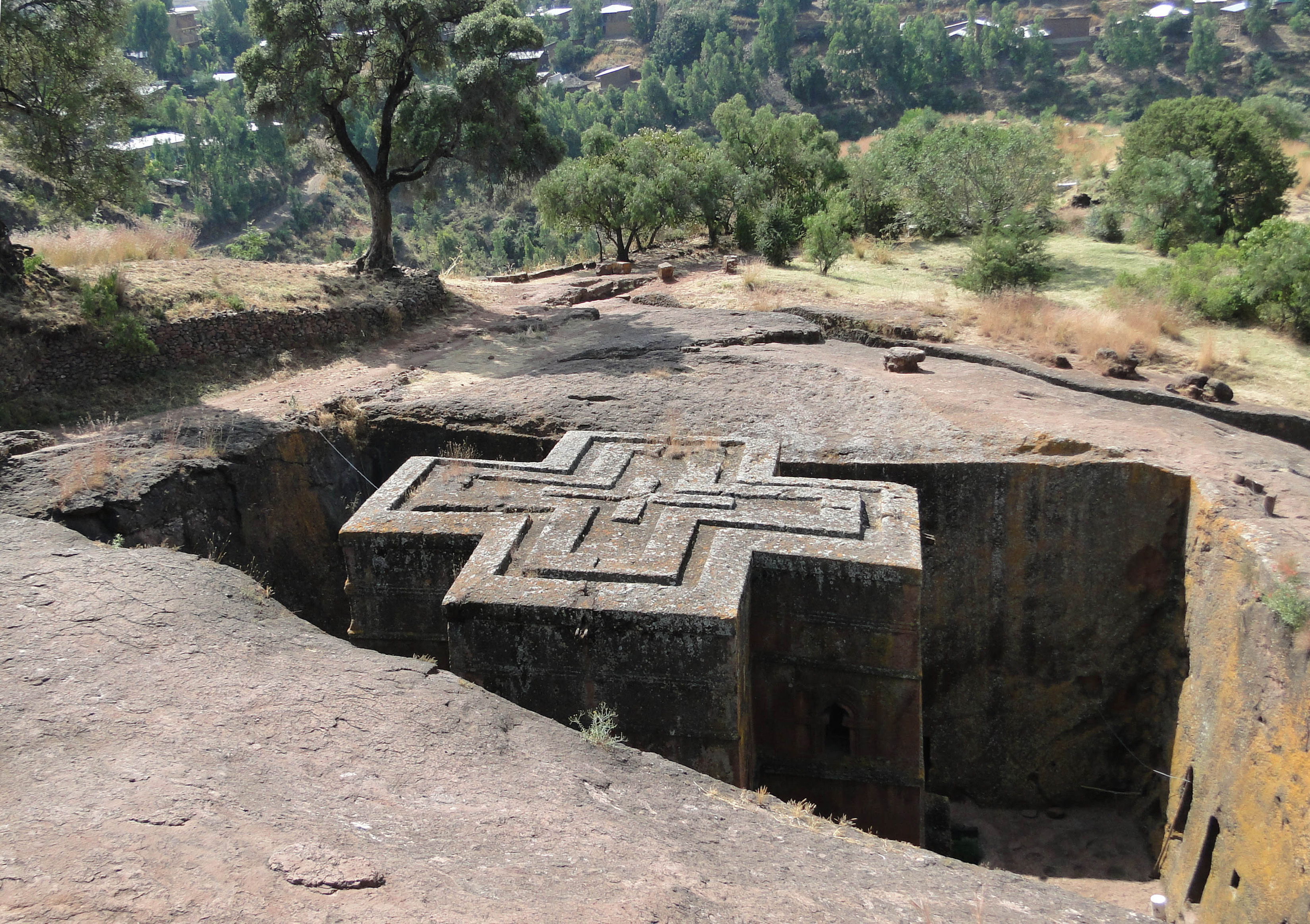
Ethiopia combines world-class heritage, coffee culture, highland trekking, archaeology, wildlife, and distinctive regional traditions around Lalibela, Gondar, Simien, Axum, Addis Ababa, Harar, Omo, Bale, and the Rift Valley. Current FCDO and U. S. regional restrictions are decisive for route planning.

Reconsider TravelLalibelaSimienCoffee

What this trip is really like

Ethiopia combines world-class heritage, coffee culture, highland trekking, archaeology, wildlife, and distinctive regional traditions around Lalibela, Gondar, Simien, Axum, Addis Ababa, Harar, Omo, Bale, and the Rift Valley. Current FCDO and U. S. regional restrictions are decisive for route planning.

Capital
Addis Ababa
Population
135.472 million residents (UNData 2025 estimate)
Language
Amharic, Oromo, Somali, Tigrinya, English
Currency
Ethiopian birr Currency converter ↗
Timezone
Africa/Addis_Ababa
Ideal trip length
Depends on the route
Emergency
police: 911, medical: 907, fire: 911

A good fit if you…

Nature

Getting around

Transport, language, entry, and safety are the details that shape how this trip feels day to day.

Getting around

Most visitor routes combine domestic flights, vetted drivers, guided tours, ride-hailing in Addis, buses, and 4WD for remote areas. Security restrictions, permits, road closures, rainy-season flooding, altitude, long distances, and rapidly changing regional advice make route-by-route checks essential.

Language

English is workable in major hubs, hotels, and tourist services, but Amharic basics help outside the main visitor route.

English ease 3/5

Visa

Ethiopia requires a visa for tourism or business on a British citizen passport. Current FCDO guidance recommends applying online through the official e-visa platform before arrival for a 30-day single-entry tourist visa; the passport must be machine-readable and valid at least 6 months after arrival, with a scanned colour passport copy and passport photo. Tourist visas do not permit employment, extensions of 30 or 90 days must be obtained in Addis before expiry, and overstays cost 30 US dollars per day. Other passport holders, Ethiopian IDs or permits, journalists, transit, work or study, and yellow-fever route requirements need the applicable official rules confirmed.

Safety & health

The U.S. State Department currently lists Ethiopia at Level 3: Reconsider Travel because of unrest, crime, kidnapping, terrorism, landmines, communications disruptions, and exit bans; it says Addis Ababa is relatively stable but conditions elsewhere can worsen without warning.

Level 3; reconsider travel

Explore destination

These are the places that most strongly shape a first trip through Ethiopia.

Best time, month by month

October-February is the broadest dry-season window for many highland heritage and trekking routes, with Timkat in January and clearer roads; March-May brings transitional or Belg rains, while June-September is wetter in many highlands.

ExcellentGoodOkayLess ideal

November · Excellent

High

November is generally dry and clearer across the northern highlands, making it one of the better broad months outside restricted areas.

Climate at a glance

See the seasonal pattern month by month.

Temperature

25 °C9 °CJan
27 °C10 °CFeb
26 °C12 °CMar
26 °C12 °CApr
26 °C12 °CMay
25 °C12 °CJun
22 °C11 °CJul
22 °C11 °CAug
23 °C11 °CSep
24 °C10 °COct
24 °C10 °CNov
24 °C9 °CDec

Precipitation

11 mmJan
41 mmFeb
60 mmMar
86 mmApr
86 mmMay
101 mmJun
213 mmJul
270 mmAug
127 mmSep
35 mmOct
12 mmNov
5 mmDec

Climate source →

Full Travel Fit

A wider view of how this destination matches different travel styles.

Backpacking2/5

Ethiopia has strong route potential, guesthouses, food value, and domestic flights, but Level 3 guidance and regional closures make casual backpacking difficult.

Digital nomad3/5

Addis Ababa can support short work stays with hotels and cafes, but connectivity, power, visas, safety, and route restrictions limit reliability.

Budget3/5

Food and some local travel can be good value, while domestic flights, guides, secure drivers, park fees, and remote routes increase costs.

Safety1/5

Ethiopia is currently Level 3 overall, with restricted regions and risks from armed conflict, unrest, crime, kidnapping, terrorism, landmines, communications disruption, and exit bans.

Nightlife2/5

Addis has music, restaurants, and bars, but nightlife is secondary and safety/transport planning matters.

Nature5/5

Simien, Bale, Rift Valley, Danakil, Omo, Lake Tana, highlands, endemic wildlife, and dramatic escarpments make nature exceptional.

Beach1/5

Ethiopia is landlocked, so beach travel is not a fit.

Road trip2/5

Ethiopia rewards guided overland routes, but conflict areas, permits, roads, rain, altitude, and long distances make independent road trips complex.

Beginner-friendly2/5

Guided heritage routes are approachable, but current security conditions, regional restrictions, altitude, roads, and language reduce beginner friendliness.

Social3/5

Addis cafes, music, tours, pilgrim routes, trekking groups, coffee culture, and guesthouses create moderate social opportunities.


A few words go a long way

English is workable in major hubs, hotels, and tourist services, but Amharic basics help outside the main visitor route.

English ease 3/5

Learn Amharic for your trip →

Safety & health

The U.S. State Department currently lists Ethiopia at Level 3: Reconsider Travel because of unrest, crime, kidnapping, terrorism, landmines, communications disruptions, and exit bans; it says Addis Ababa is relatively stable but conditions elsewhere can worsen without warning.

Read more →

On the route

  • Terrorism is a nationwide concern; FCDO says attacks can target hotels, markets, transport hubs, places of worship, tourist attractions, and festivals. Avoid large gatherings and follow local instructions, especially around religious and national holidays.
  • Do not enter current FCDO or U.S. restricted regions or border areas. Communications and internet access may be restricted, and Ethiopian law can create exit-ban or dual-nationality problems.
  • Use vetted local operators, daylight movement, and current route checks; security can change rapidly around Tigray, Amhara, Afar, Oromia, Gambela, Benishangul-Gumuz, Somali, and southern regions.

Health

  • FCDO lists malaria, dengue, yellow fever, schistosomiasis, Zika, mpox, cholera, waterborne illness, and altitude sickness risks. Addis Ababa is high elevation and many visitor sites are below the malaria threshold.
  • Only private Addis hospitals offer a reasonable basic standard; outside the capital facilities are extremely poor. Carry essential medicines, use bottled or treated water, and obtain medical-evacuation insurance.
  • Emergency contacts are police and general emergency 911 and Addis ambulance 907; response and care are limited outside Addis.

Check the entry context for your passport

Ethiopia requires a visa for tourism or business on a British citizen passport. Current FCDO guidance recommends applying online through the official e-visa platform before arrival for a 30-day single-entry tourist visa; the passport must be machine-readable and valid at least 6 months after arrival, with a scanned colour passport copy and passport photo. Tourist visas do not permit employment, extensions of 30 or 90 days must be obtained in Addis before expiry, and overstays cost 30 US dollars per day. Other passport holders, Ethiopian IDs or permits, journalists, transit, work or study, and yellow-fever route requirements need the applicable official rules confirmed.

Read more →

Ethiopia requires a visa for tourism or business on a British citizen passport. Current FCDO guidance recommends applying online through the official e-visa platform before arrival for a 30-day single-entry tourist visa; the passport must be machine-readable and valid at least 6 months after arrival, with a scanned colour passport copy and passport photo. Tourist visas do not permit employment, extensions of 30 or 90 days must be obtained in Addis before expiry, and overstays cost 30 US dollars per day. Other passport holders, Ethiopian IDs or permits, journalists, transit, work or study, and yellow-fever route requirements need the applicable official rules confirmed.

Keep the details current

A short list of the most useful official, climate, tourism, and route references behind this guide.

7 source groups
View all sources

Open plan: Open the app

Transport, language, entry, and safety are the details that shape how this trip feels day to day.