French Guiana
← Back to destinations

French Guiana

French Guiana is an overseas department and region of France on the northeastern coast of South America, between Suriname and Brazil.

NatureWildlifeCultureHistorySpace

What this trip is really like

French Guiana is an overseas department and region of France on the northeastern coast of South America, between Suriname and Brazil. Most visitors fly into Cayenne-Félix Eboué Airport and travel the coastal corridor by rental car, taxi, bus, or private transfer.

Capital
Cayenne
Population
About 299,000 residents (2026 estimate)
Language
French
Timezone
America/Cayenne
Ideal trip length
Depends on the route
Emergency
police: 17, medical: 15, fire: 18

A good fit if you…

Nature

Getting around

Transport, language, entry, and safety are the details that shape how this trip feels day to day.

Getting around

Most visitors fly into Cayenne-Félix Eboué Airport and travel the coastal corridor by rental car, taxi, bus, or private transfer. Public transport is concentrated around Cayenne; river boats and guides are needed for Maroni, Oyapock, Kaw, and interior routes, and heavy rain can disrupt roads and crossings.

Language

French is essential for most everyday interactions; English is available in some hotels, tours, and space-centre services but is not dependable outside visitor-facing settings.

English ease 2/5

Visa

French Guiana is an overseas department of France and part of the European Union, but it is outside the Schengen Area and has territory-specific entry rules. Visa-exempt visitors can generally stay up to 90 days in a 180-day period; other nationalities need a special French overseas-territory visa rather than relying on a Schengen visa. Passports should generally be valid at least three months beyond departure with a blank page, and travelers over one year old must carry proof of yellow-fever vaccination. Confirm the nationality rules, documents, and any transit requirements with France-Visas before travel.

Safety & health

The U.S. State Department currently rates French Guiana Level 1: Exercise Normal Precautions, but petty street crime and some violent crime occur more often than in mainland France.

Exercise normal precautions

Explore destination

These are the places that most strongly shape a first trip through French Guiana.

Best time, month by month

French Guiana has a small rainy season around December-February, a brief drier spell around February-March, a main rainy season from about April to July, and a drier season from August to November.

ExcellentGoodOkayLess ideal

August · Excellent

High

August is a strong dry-season month for coastal routes and forest excursions, with about 31.2 C mean highs, 22.3 C lows, and 89.4 mm of rain.

Climate at a glance

See the seasonal pattern month by month.

Temperature

29 °C23 °CJan
29 °C23 °CFeb
29 °C23 °CMar
29 °C23 °CApr
30 °C23 °CMay
30 °C22 °CJun
30 °C22 °CJul
31 °C22 °CAug
32 °C22 °CSep
32 °C22 °COct
32 °C22 °CNov
30 °C23 °CDec

Precipitation

247 mmJan
289 mmFeb
265 mmMar
320 mmApr
451 mmMay
264 mmJun
179 mmJul
86 mmAug
46 mmSep
57 mmOct
92 mmNov
276 mmDec

Climate source →

Full Travel Fit

A wider view of how this destination matches different travel styles.

Backpacking2/5

Backpacking is possible along the coastal corridor, but French-only services, higher prices, limited buses outside Cayenne, and remote river or forest routes make independent travel demanding.

Digital nomad3/5

Cayenne has French infrastructure and workable connectivity, but the market is small, French is important, and rainforest or river stays are not reliable work bases.

Budget2/5

The euro economy, imported goods, car hire, domestic transfers, guides, and remote excursions make French Guiana expensive; markets and simple local meals help control costs.

Safety3/5

The current advisory is Level 1, but petty crime in towns, isolated beaches, remote interior routes, tropical hazards, and limited rural healthcare justify steady caution.

Nightlife2/5

Cayenne has bars, restaurants, and Carnival-season events, but evening options are concentrated in the capital and the wider territory is quiet after dark.

Nature5/5

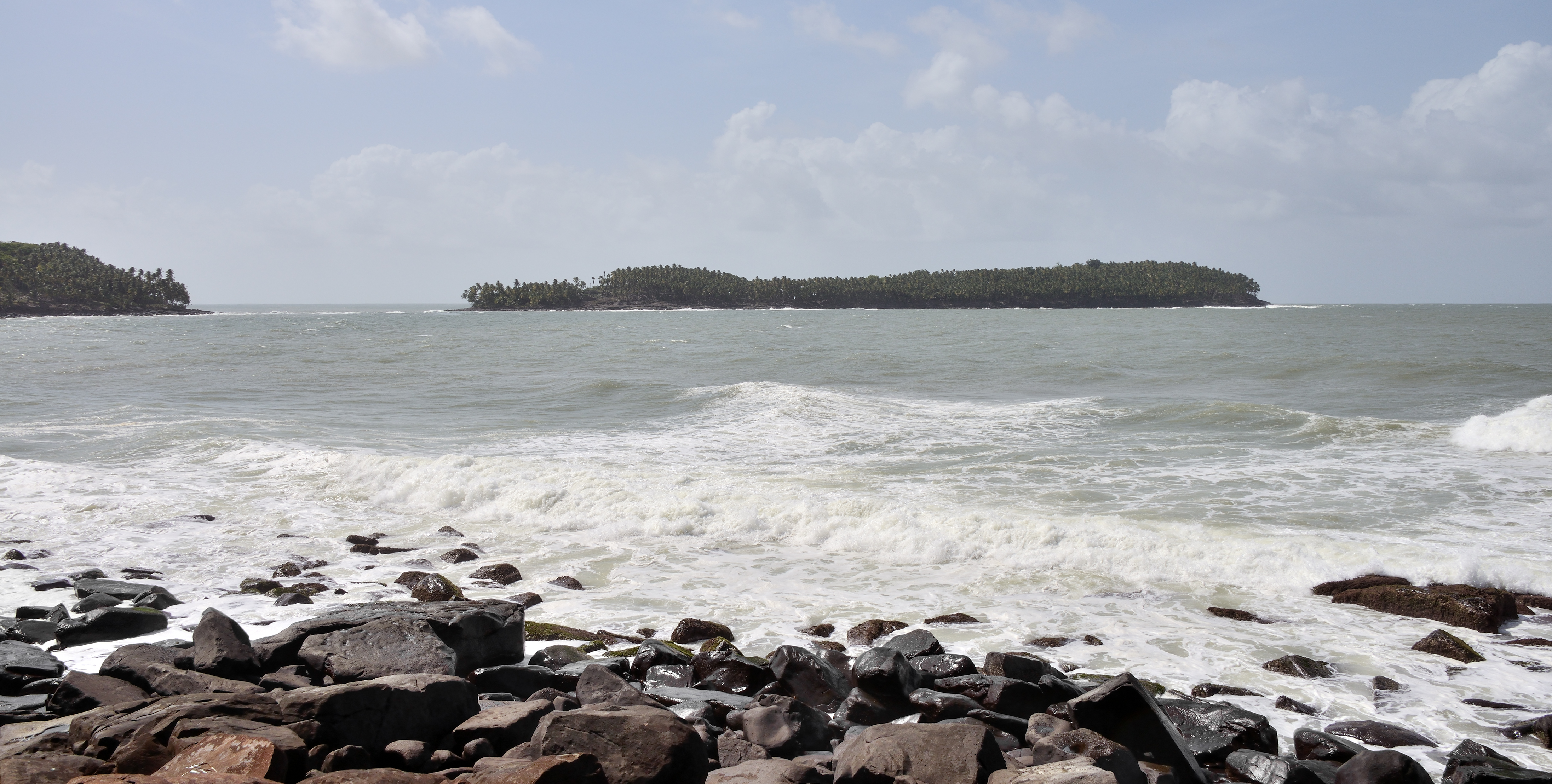
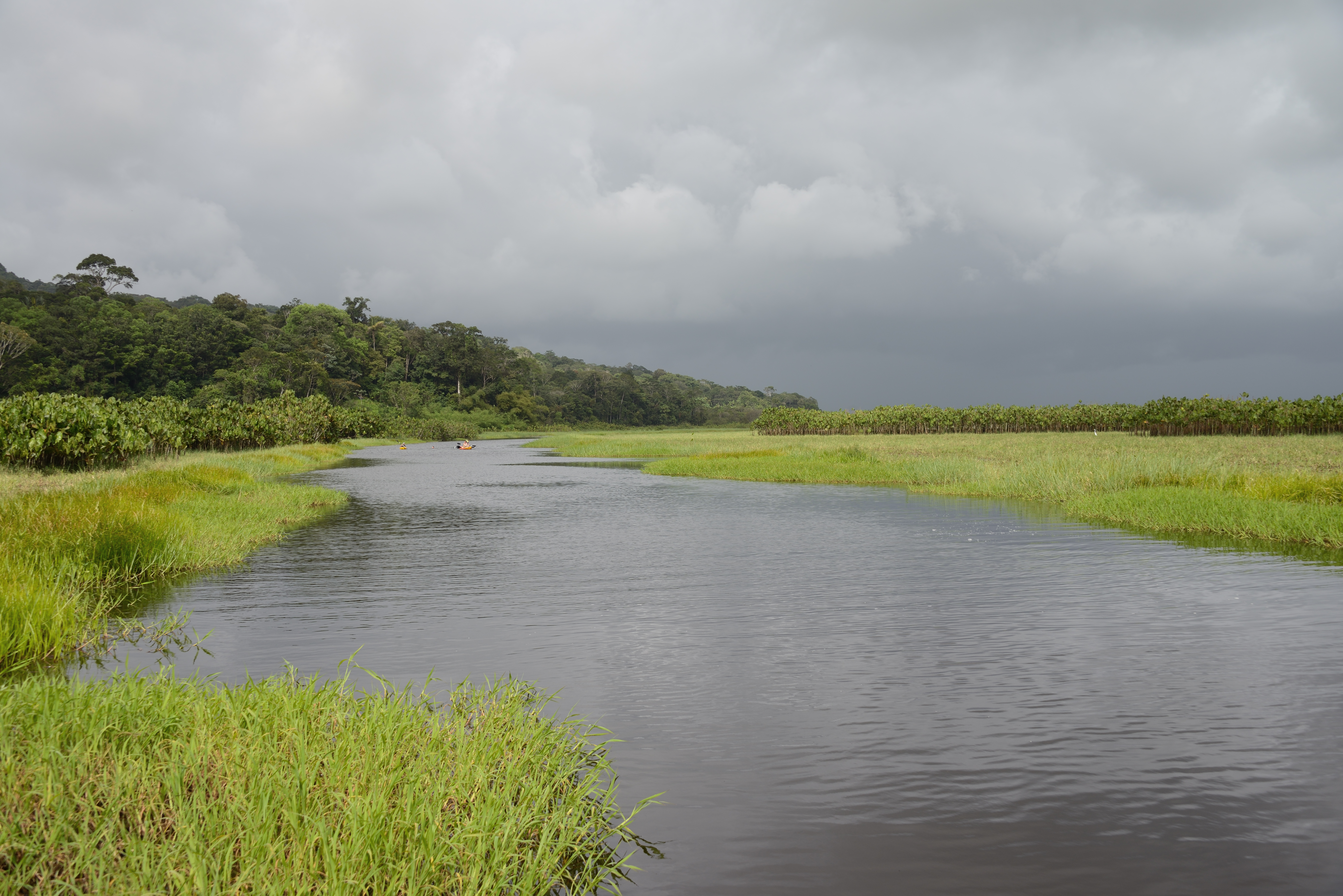
Rainforest covers most of the territory, with the Kaw marshes, Amazonian Park, rivers, coastal wetlands, wildlife, and Salvation Islands providing exceptional guided nature routes.

Beach3/5

Remire-Montjoly and Atlantic beaches offer coastal time and turtle habitat, but strong currents, muddy estuaries, heat, and river-coast conditions make it less of a classic resort beach destination.

Road trip3/5

A car is useful for the Cayenne-Kourou-Saint-Laurent corridor and nearby nature sites, but inland access is sparse, rainy-season flooding can disrupt roads, and many forest or river routes require guides or boats.

Beginner-friendly3/5

French infrastructure, the euro, and established city or space-centre services help first-time visitors, while language, heat, mosquito protection, limited buses, and guided interior travel add planning work.

Social3/5

Cayenne markets, Carnival, river excursions, guided forest stays, and culturally diverse communities offer social opportunities, although the territory is not a dense backpacker circuit.


A few words go a long way

French is essential for most everyday interactions; English is available in some hotels, tours, and space-centre services but is not dependable outside visitor-facing settings.

English ease 2/5

Learn French for your trip →
Où est la gare ?Where is the station?

Safety & health

The U.S. State Department currently rates French Guiana Level 1: Exercise Normal Precautions, but petty street crime and some violent crime occur more often than in mainland France.

Read more →

On the route

  • Avoid demonstrations and strikes because they can disrupt roads, flights, and access to the Guiana Space Centre; follow local authority instructions.
  • In Cayenne and other towns, avoid isolated beaches after dark, use a licensed or pre-arranged taxi after visiting an ATM, keep vehicle doors locked, and do not display expensive jewellery or large amounts of cash.
  • The remote interior and areas near Brazil or illegal gold-mining activity are not suitable for unsupported travel; use established guides and check access or permit requirements before river or forest routes.

Health

  • Call 112 for the emergency switchboard, 15 for an ambulance, 18 for fire, or 17 for police. Carry travel insurance that covers local treatment and unexpected evacuation.
  • Yellow-fever vaccination is required for people over one year old entering French Guiana; consult a travel-health professional well before departure about yellow fever, dengue, Zika, and mosquito protection.
  • Healthcare is comparable to mainland France in larger towns but more limited in rural areas, and hospitals may require payment. Use repellent, long sleeves, and a net where appropriate, and carry regular medicines.

Check the entry context for your passport

French Guiana is an overseas department of France and part of the European Union, but it is outside the Schengen Area and has territory-specific entry rules. Visa-exempt visitors can generally stay up to 90 days in a 180-day period; other nationalities need a special French overseas-territory visa rather than relying on a Schengen visa. Passports should generally be valid at least three months beyond departure with a blank page, and travelers over one year old must carry proof of yellow-fever vaccination. Confirm the nationality rules, documents, and any transit requirements with France-Visas before travel.

Read more →

German citizens generally do not need a short-stay visa under EU free-movement rules, but French Guiana is outside Schengen and the carrier may require a valid passport or national identity card. Carry yellow-fever proof and confirm the route and current document rules before departure.

Keep the details current

A short list of the most useful official, climate, tourism, and route references behind this guide.

6 source groups
View all sources

Open plan: Open the app

Transport, language, entry, and safety are the details that shape how this trip feels day to day.