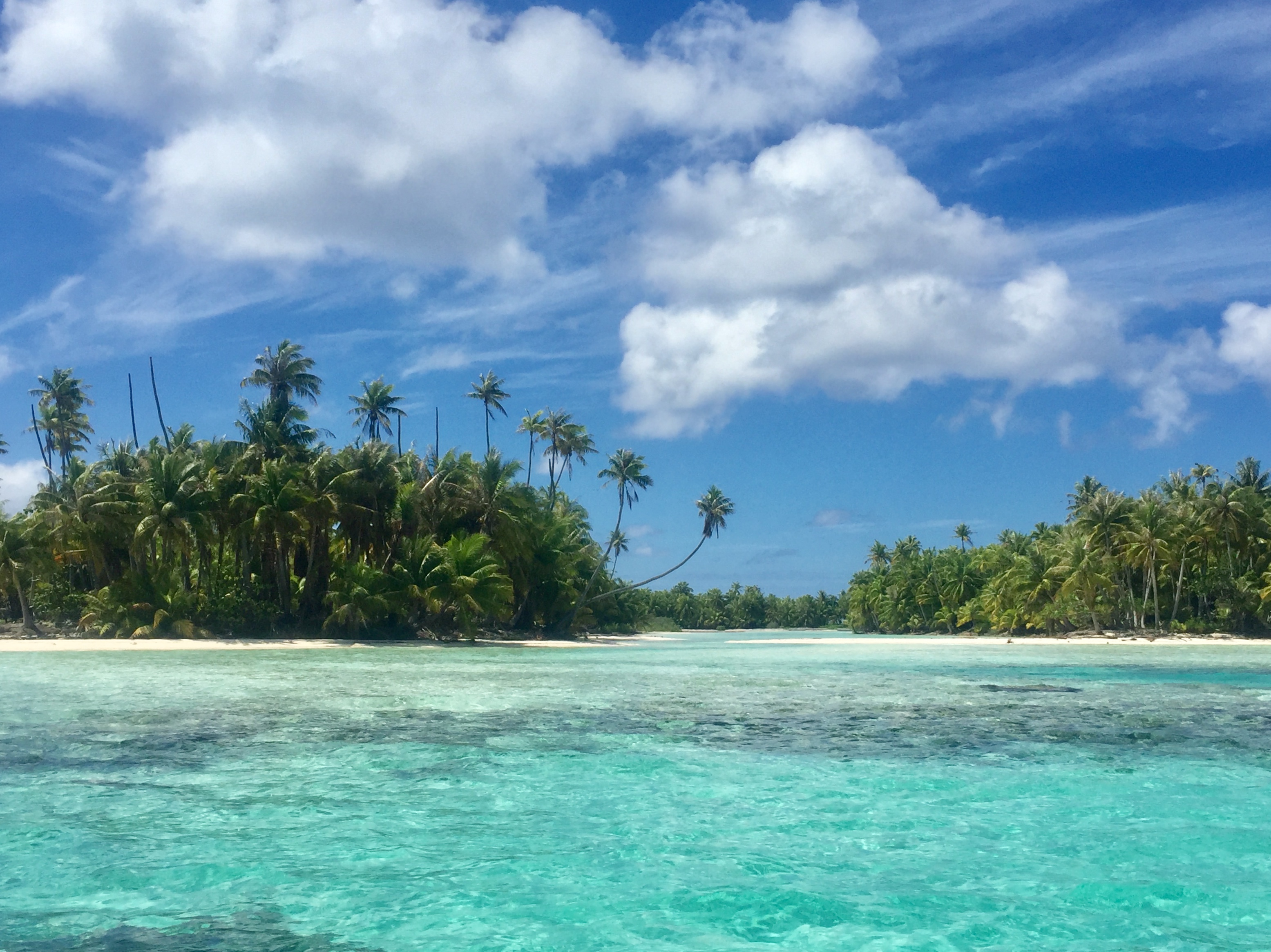
French Polynesia
← Back to destinations

French Polynesia

French Polynesia is a South Pacific island destination for lagoons, overwater stays, diving, surf, whale season, volcanic mountains, Polynesian culture, and remote archipelagos. It is beautiful but expensive, so the best trips are planned around island groups and transport timing.

BeachDivingRomance

What this trip is really like

French Polynesia is a South Pacific island destination for lagoons, overwater stays, diving, surf, whale season, volcanic mountains, Polynesian culture, and remote archipelagos. It is beautiful but expensive, so the best trips are planned around island groups and transport timing.

Capital
Papeete
Population
About 279,500 residents (31 December 2024 estimate)
Language
French, Tahitian
Currency
CFP franc Currency converter ↗
Timezone
Pacific/Tahiti, Pacific/Marquesas, Pacific/Gambier
Ideal trip length
Depends on the route
Emergency
police: 17, medical: 15, fire: 18

A good fit if you…

Safety
Nature
Beach
Beginner-friendly

Getting around

Transport, language, entry, and safety are the details that shape how this trip feels day to day.

Getting around

Most trips start at Tahiti-Faa'a, then combine rental cars, taxis, buses, the Moorea ferry, lagoon boats, cruises, guesthouse transfers, and domestic flights. Air Tahiti and Air Moana serve dozens of islands, but weather, limited frequencies, and seasonal demand make inter-island legs worth booking early.

Language

English is useful in resorts, tours, airports, dive centers, and cruise settings, but French is important for administration, ferries, clinics, shops, and travel beyond the main resort route.

English ease 3/5

Visa

French Polynesia is a French overseas collectivity with entry rules separate from the Schengen area. Visa-free eligibility and document validity depend on passport, purpose, and route; current British-passport guidance allows tourism or business visits up to 90 days without a visa, while other nationalities may need a visa explicitly valid for French Polynesia. Longer stays, work, and study need the appropriate French Polynesia visa or permission. Check the current France-Visas tool and official local guidance before booking, including for sea arrivals and transit.

Safety & health

The U.S. advisory is Level 1 / Exercise normal precautions; FCDO still advises care around isolated beaches, busy areas, cars, ferry terminals, and markets because petty theft can occur.

Low risk

Explore destination

These are the places that most strongly shape a first trip through French Polynesia.

Best time, month by month

French Polynesia is a year-round destination, but May to October is generally the drier, cooler season for the Society Islands, with clearer lagoons and easier hiking.

ExcellentGoodOkayLess ideal

April · Excellent

Low

April is the final wet-season month for the Society Islands; conditions begin to settle, while Tuamotu diving and snorkeling enter a strong April-to-November window.

Climate at a glance

See the seasonal pattern month by month.

Temperature

27 °C21 °CJan
27 °C21 °CFeb
27 °C21 °CMar
26 °C21 °CApr
25 °C20 °CMay
24 °C19 °CJun
23 °C18 °CJul
24 °C18 °CAug
24 °C18 °CSep
25 °C19 °COct
26 °C20 °CNov
26 °C20 °CDec

Precipitation

291 mmJan
281 mmFeb
184 mmMar
150 mmApr
91 mmMay
112 mmJun
52 mmJul
70 mmAug
91 mmSep
123 mmOct
154 mmNov
166 mmDec

Climate source →

Full Travel Fit

A wider view of how this destination matches different travel styles.

Backpacking2/5

Guesthouses and ferries make some independent travel possible, but high costs, long distances, and inter-island flights limit classic backpacking.

Digital nomad3/5

Tahiti and Moorea can support shorter remote-work stays, but prices, time zones, visas, and outer-island connectivity reduce practicality.

Budget1/5

Flights, accommodation, food, tours, and inter-island travel are expensive; pensions and local food help but do not make it a budget destination.

Safety4/5

Crime is usually low, while water safety, dive-operator standards, outer-island medical access, mosquitoes, earthquakes, and cyclone-season weather are the main concerns.

Nightlife2/5

Papeete has bars, roulottes, and some nightlife, but most islands are quiet after dinner and travel is not nightlife-led.

Nature5/5

Lagoons, reefs, atolls, volcanic mountains, waterfalls, surf, whales, manta rays, sharks, and remote archipelagos make nature a core strength.

Beach5/5

Bora Bora, Moorea, Taha'a, Rangiroa, Fakarava, Maupiti, and many motu stops are world-class for lagoons, beaches, and warm-water stays.

Road trip3/5

Tahiti and Moorea work well by car or scooter, but the wider destination is defined by flights, ferries, lagoon boats, and island-hopping logistics.

Beginner-friendly4/5

Strong tourism infrastructure, low crime, and English in resorts help, though costs, French-language admin, and remote island logistics require planning.

Social3/5

Resorts, guesthouses, dive shops, lagoon tours, surf trips, cruises, and Papeete evenings create social options, but the scene is spread across islands.


A few words go a long way

English is useful in resorts, tours, airports, dive centers, and cruise settings, but French is important for administration, ferries, clinics, shops, and travel beyond the main resort route.

English ease 3/5

Learn French for your trip →
Où est la gare ?Where is the station?

Safety & health

The U.S. advisory is Level 1 / Exercise normal precautions; FCDO still advises care around isolated beaches, busy areas, cars, ferry terminals, and markets because petty theft can occur.

Read more →

On the route

  • Avoid isolated beaches after dark and do not leave valuables in rental cars, on boats, or unattended at beaches and ferry terminals.
  • For diving, check the operator's credentials, equipment, oxygen, insurance conditions, and plan for transfer to French Polynesia's only hyperbaric chamber in Papeete.
  • Cyclones can occur from November to April and earthquakes are a risk; monitor local Météo-France warnings and leave flexibility for outer-island weather delays.

Health

  • The main hospital and specialist care are in Tahiti; other islands have clinics, dispensaries, doctors, or nursing stations, and serious cases may be transferred by plane.
  • Call 15 for an ambulance, 17 for police, and 18 for fire; 112 can also connect emergency services from a mobile phone. Keep travel insurance and funds for treatment or medical transfer.
  • Use mosquito repellent for dengue and chikungunya prevention, protect against sun and dehydration, use safe water guidance, and wear footwear around coral or rocky entries.

Check the entry context for your passport

French Polynesia is a French overseas collectivity with entry rules separate from the Schengen area. Visa-free eligibility and document validity depend on passport, purpose, and route; current British-passport guidance allows tourism or business visits up to 90 days without a visa, while other nationalities may need a visa explicitly valid for French Polynesia. Longer stays, work, and study need the appropriate French Polynesia visa or permission. Check the current France-Visas tool and official local guidance before booking, including for sea arrivals and transit.

Read more →

French Polynesia is a French overseas collectivity with entry rules separate from the Schengen area. Visa-free eligibility and document validity depend on passport, purpose, and route; current British-passport guidance allows tourism or business visits up to 90 days without a visa, while other nationalities may need a visa explicitly valid for French Polynesia. Longer stays, work, and study need the appropriate French Polynesia visa or permission. Check the current France-Visas tool and official local guidance before booking, including for sea arrivals and transit.

Open plan: Open the app

Transport, language, entry, and safety are the details that shape how this trip feels day to day.