Germany
← Back to destinations

Germany

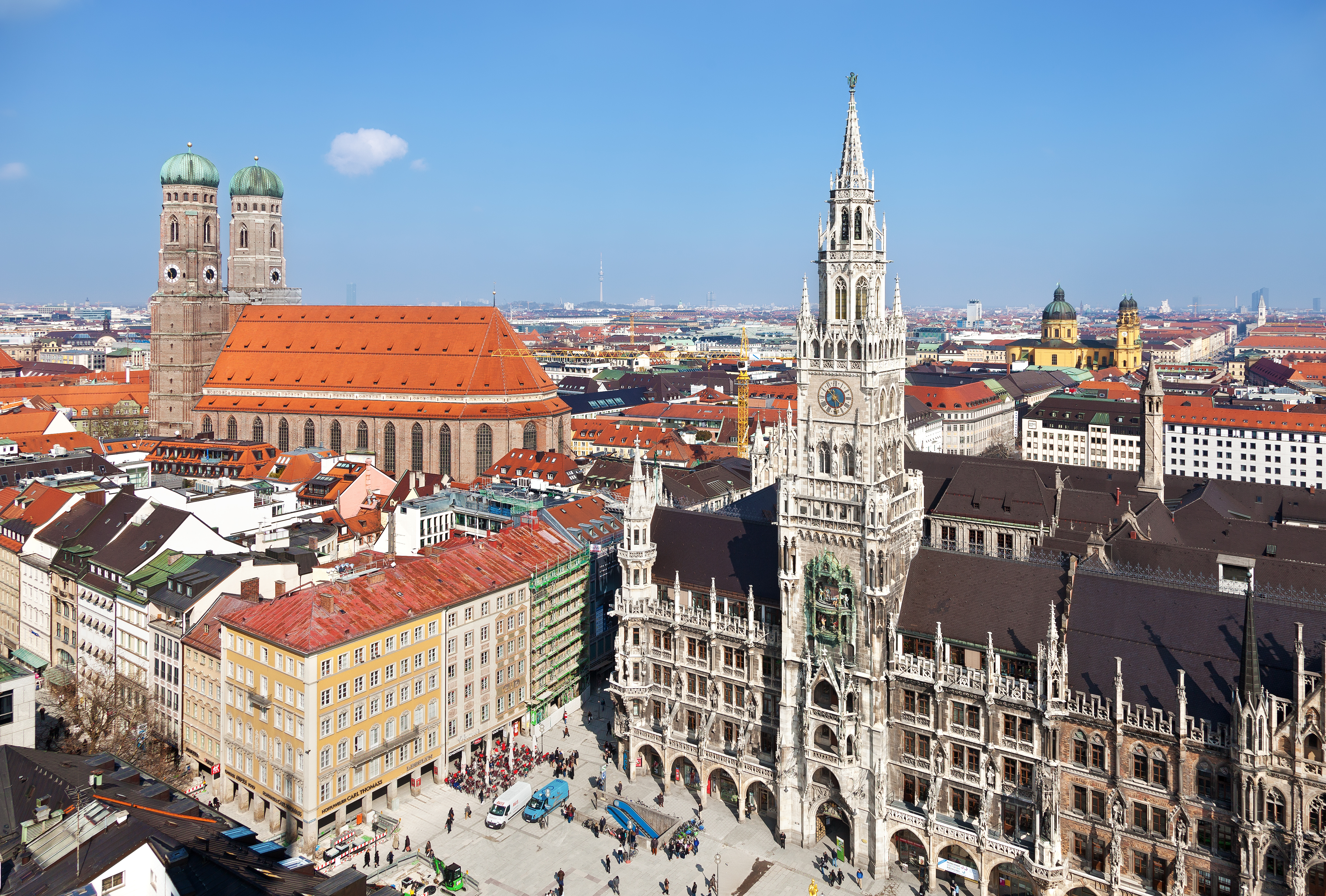
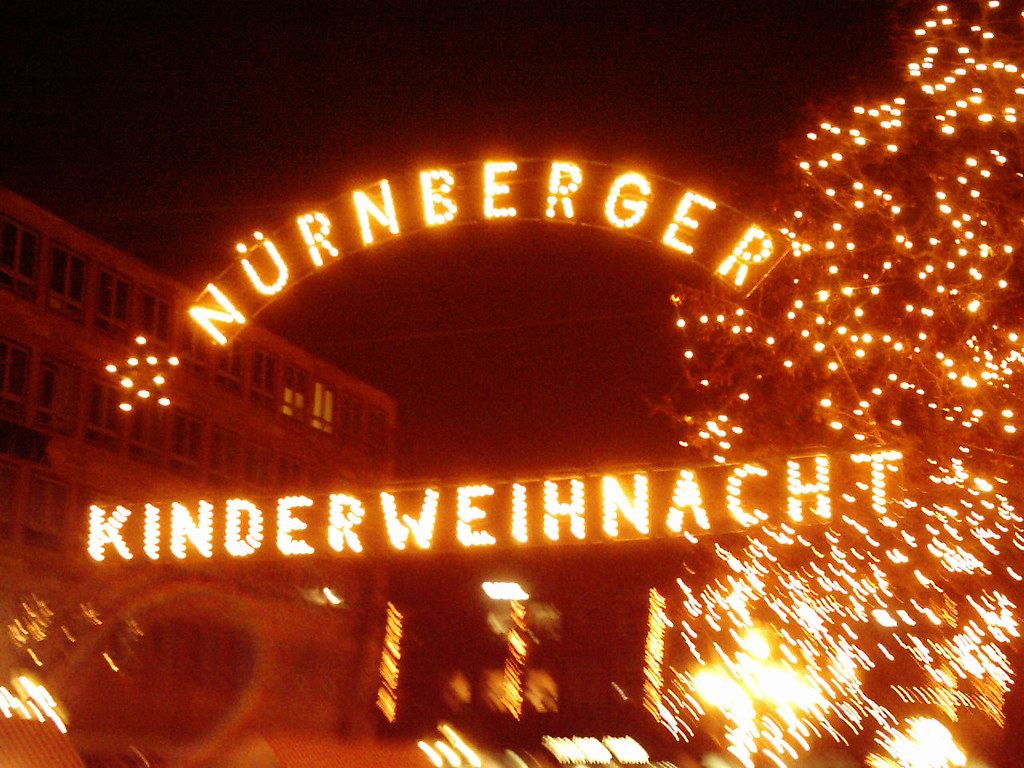
Germany is a central European travel hub for Berlin culture, Munich and Bavaria, Rhine and Mosel castles, forests, beer gardens, Christmas markets, museums, trains, road trips, and regional food. It is efficient, varied, and easy to combine with neighboring countries.

CitiesRailChristmas

What this trip is really like

Germany is a central European travel hub for Berlin culture, Munich and Bavaria, Rhine and Mosel castles, forests, beer gardens, Christmas markets, museums, trains, road trips, and regional food. It is efficient, varied, and easy to combine with neighboring countries.

Capital
Berlin
Population
83.6 million
Language
German
Timezone
Europe/Berlin
Ideal trip length
Depends on the route
Emergency
112, 110

eSIM for Germany

Use the reference page for context, then check current plans in the Smart Planner.

Compare eSIM plans

A good fit if you…

Backpacking
Digital nomad
Safety
Nightlife
Nature
Road trip
Beginner-friendly
Social

Getting around

Transport, language, entry, and safety are the details that shape how this trip feels day to day.

Getting around

Germany has dense transport: high-speed and regional trains connect most major routes, city transit is extensive, buses can be cheaper, and roads are excellent for rural loops. Book long-distance trains early when possible, and plan around strikes, station crowds, major events, and parking in old city centers.

Language

English works well in major cities and transport hubs.

English ease 3/5

Visa

Germany is in the Schengen area. Visa-exempt non-EU travelers can usually stay up to 90 days in any 180-day period; other travelers need a Schengen visa. Third-country travelers generally need a recognized passport issued within the last 10 years and valid at least three months beyond planned Schengen departure. Stays over 90 days, work, and study usually require a German national visa or residence status.

Safety & health

Current U.S. guidance is Level 2: exercise increased caution due to terrorism.

Increased caution

Explore destination

These are the places that most strongly shape a first trip through Germany.

Best time, month by month

May-June and September-October are usually the easiest months for Germany: mild city weather, castles, forests, wine regions, and fewer peak-summer crowds. July-August suit festivals, lakes, and longer trips but can be busy.

ExcellentGoodOkayLess ideal

May · Excellent

High

One of the best broad months for cities, Rhine and Mosel wine routes, Black Forest, cycling, beer gardens, and road trips before peak summer.

Climate at a glance

See the seasonal pattern month by month.

Temperature

3 °C-2 °CJan
5 °C-2 °CFeb
10 °C1 °CMar
16 °C5 °CApr
20 °C9 °CMay
24 °C13 °CJun
26 °C15 °CJul
25 °C14 °CAug
20 °C10 °CSep
15 °C6 °COct
9 °C3 °CNov
6 °C1 °CDec

Precipitation

47 mmJan
25 mmFeb
33 mmMar
26 mmApr
53 mmMay
60 mmJun
74 mmJul
55 mmAug
45 mmSep
46 mmOct
45 mmNov
48 mmDec

Climate source →

Full Travel Fit

A wider view of how this destination matches different travel styles.

Backpacking4/5

Dense rail, intercity buses, hostels, big cities, regional passes, and cross-border links make Germany a strong backpacking hub, though peak trains and major events need planning.

Digital nomad4/5

Berlin, Hamburg, Munich, Cologne, Leipzig, and other cities offer strong infrastructure, cafes, coworking, and English-friendly services. Housing pressure, bureaucracy, and Schengen limits are the main constraints.

Budget3/5

Germany can be moderate value compared with nearby western Europe. Bakeries, supermarkets, kebab shops, regional transport deals, hostels, and smaller cities help; Munich, trade fairs, Oktoberfest, and Christmas dates can be expensive.

Safety4/5

Germany is a Level 2 increased-caution destination due to terrorism risk. Most practical visitor issues are pickpocketing, crowded stations, demonstrations, nightlife judgment, road rules, and outdoor tick exposure.

Nightlife5/5

Berlin is one of Europe's strongest nightlife cities, and Hamburg, Cologne, Munich, Leipzig, Frankfurt, and student cities add bars, clubs, live music, beer halls, and festival energy.

Nature4/5

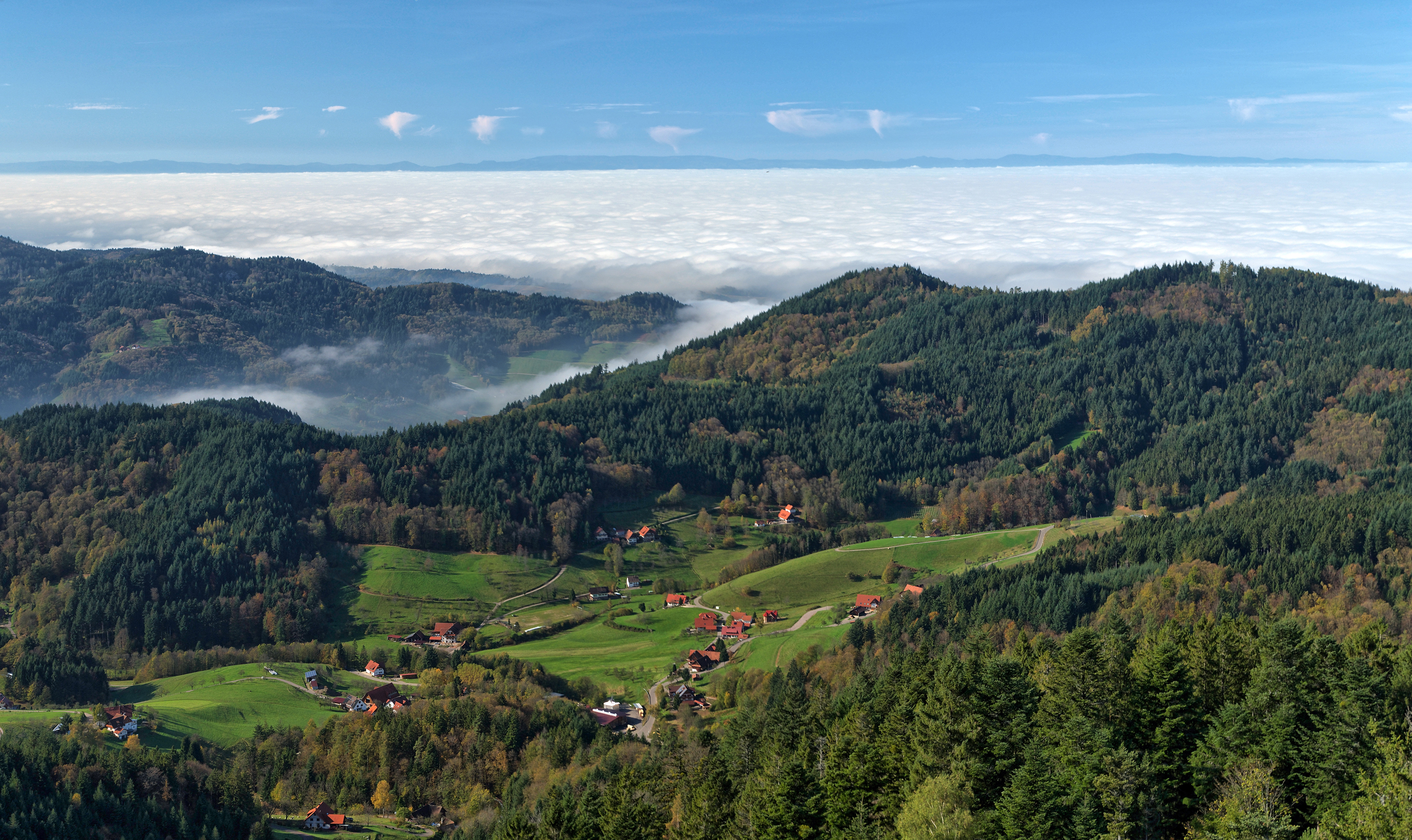
Germany offers forests, lakes, Rhine and Mosel valleys, Baltic and North Sea coasts, Bavarian Alps, national parks, cycling routes, and scenic villages rather than one single nature region.

Beach2/5

Germany has real summer coast value on the Baltic and North Sea plus lakes, but it is not a warm beach-led destination compared with Mediterranean routes.

Road trip5/5

Road trips work well for Bavaria, the Romantic Road, Black Forest, Rhine and Mosel valleys, Baltic coast, castles, villages, and Alpine routes. Trains are still better for many big-city hops.

Beginner-friendly5/5

Reliable transport, strong tourism infrastructure, card and cash options, widespread English in visitor areas, excellent healthcare, and clear emergency systems make Germany very beginner-friendly.

Social4/5

Hostels, beer gardens, Christmas markets, nightlife, language exchanges, festivals, football culture, and student cities make Germany social across many trip styles.


A few words go a long way

English works well in major cities and transport hubs.

English ease 3/5

Learn German for your trip →
Wo ist der Bahnhof?Where is the station?

Safety & health

Current U.S. guidance is Level 2: exercise increased caution due to terrorism.

Read more →

On the route

  • Stay alert around tourist areas, transport hubs, shopping areas, public events, nightlife, and demonstrations.
  • Pickpockets can operate in Berlin, Munich, Cologne, Hamburg, Frankfurt, major stations, Christmas markets, and crowded trains.
  • Dial 112 for emergency medical or fire help and 110 for police emergencies.

Health

  • Medical care is excellent, but travel insurance matters if you are not covered in Germany.
  • Pharmacies are marked Apotheke and can advise on many non-emergency medicines.
  • Ticks can transmit Lyme disease nationwide and tick-borne encephalitis in some southern and outdoor areas; check skin after nature time.

Vaccinations

Recommended: Routine vaccines up to date; consider tick-borne encephalitis vaccination for extended outdoor travel in risk areas.

Check the entry context for your passport

Germany is in the Schengen area. Visa-exempt non-EU travelers can usually stay up to 90 days in any 180-day period; other travelers need a Schengen visa. Third-country travelers generally need a recognized passport issued within the last 10 years and valid at least three months beyond planned Schengen departure. Stays over 90 days, work, and study usually require a German national visa or residence status.

Read more →

Germany is in the Schengen area. Visa-exempt non-EU travelers can usually stay up to 90 days in any 180-day period; other travelers need a Schengen visa. Third-country travelers generally need a recognized passport issued within the last 10 years and valid at least three months beyond planned Schengen departure. Stays over 90 days, work, and study usually require a German national visa or residence status.

Keep the details current

A short list of the most useful official, climate, tourism, and route references behind this guide.

6 source groups
View all sources

Open plan: Open the app

Transport, language, entry, and safety are the details that shape how this trip feels day to day.