




Getting around
Athens → Paros → Santorini is a classic island pattern; Athens → Delphi → Meteora keeps the trip on the mainland.

Greece runs from Athens and ancient sites to islands, Crete, and mountain landscapes. Ferries and heat shape the rhythm more than the map distance.
Greece runs from Athens and ancient sites to islands, Crete, and mountain landscapes. Ferries and heat shape the rhythm more than the map distance. For island time, history, food, walking, and a trip with a clear focus.
General information
Use the reference page for context, then check current plans in the Smart Planner.
Transport, language, entry, and safety are the details that shape how this trip feels day to day.
Athens → Paros → Santorini is a classic island pattern; Athens → Delphi → Meteora keeps the trip on the mainland.
English is common on islands and in tourism-heavy areas.
English ease 3/5Greece is in the Schengen area. Visa-exempt non-EU travelers can usually stay up to 90 days in any 180-day period; other travelers need a Schengen visa. Passports generally need to be issued within the last 10 years and valid at least three months beyond planned EU departure. Longer stays, work, or study require the correct Greek national visa or residence status.
Current U.S. guidance is Level 1: exercise normal precautions.
Normal precautionsThese are the places that most strongly shape a first trip through Greece.

Ancient sites, museums, rooftop views, food neighborhoods, nightlife, and the best first stop before islands or mainland loops.
Visit Greece ↗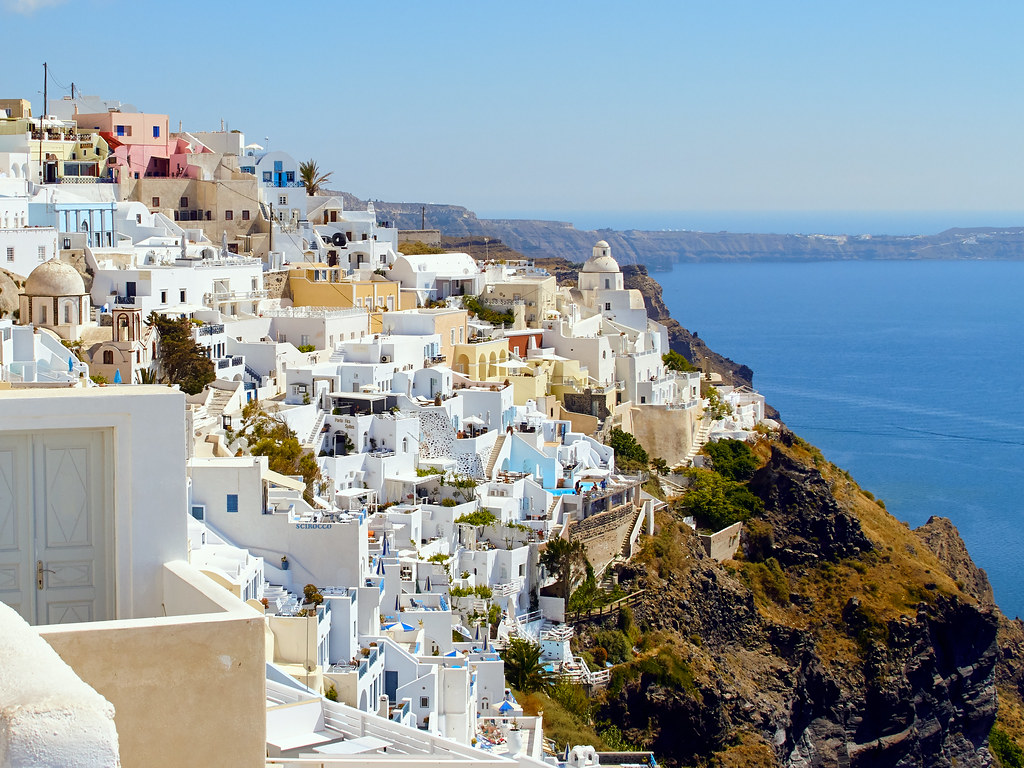
Whitewashed villages, beaches, ferries, sunset towns, nightlife islands, and slower alternatives if you avoid overpacking the route.
Visit Greece ↗
Large island for beaches, food, villages, archaeological sites, hiking, road trips, and a fuller Greece trip without constant ferry changes.
Visit Greece ↗
Clifftop monasteries, rock formations, hiking, viewpoints, and a dramatic inland contrast to Athens and island routes.
Visit Greece ↗
Island or coast stops for swimming, tavernas, boat trips, slower evenings, and shoulder-season beach time without peak summer pressure.
Visit Greece ↗May to June and September to October are usually easier than peak summer. July and August bring heat, crowds, wind, and fire considerations.
One of the best months: warm but not extreme, good for islands, Athens, Crete, Peloponnese, Meteora, hiking, and early beach trips.
Greek Orthodox Easter brings candlelit services, processions and family celebrations, with especially distinctive traditions on islands such as Corfu.
Greek Orthodox Easter brings candlelit services, processions and family celebrations, with especially distinctive traditions on islands such as Corfu.
Greek Orthodox Easter brings candlelit services, processions and family celebrations, with especially distinctive traditions on islands such as Corfu.
The Athens Epidaurus Festival stages theatre, opera, dance and music, including performances in the ancient theatre of Epidaurus.
The Athens Epidaurus Festival stages theatre, opera, dance and music, including performances in the ancient theatre of Epidaurus.
The Athens Epidaurus Festival stages theatre, opera, dance and music, including performances in the ancient theatre of Epidaurus.
May to June and September to October are usually easier than peak summer. July and August bring heat, crowds, wind, and fire considerations.
See the seasonal pattern month by month.
A wider view of how this destination matches different travel styles.
Hostels, ferries, KTEL buses, islands, food value, and classic Athens-to-islands routes make Greece strong for backpacking, as long as ferry timing and summer lodging are planned early.
Athens, Thessaloniki, Crete, and some islands can work well for remote stays, especially outside peak summer. Schengen limits, island connectivity, and seasonal accommodation prices matter.
Greece can be moderate value with bakeries, souvlaki, local tavernas, buses, ferries booked sensibly, and shoulder-season travel. Famous islands in July-August can be expensive.
Greece is a Level 1 normal-precautions destination. Pickpocketing, heat, scooter crashes, ferry disruption, wildfire season, nightlife judgment, and smaller-island medical limits are the main visitor issues.
Athens, Thessaloniki, Mykonos, Ios, Crete, Rhodes, and many resort towns offer strong nightlife, while quieter islands and mainland villages are better for slow evenings.
Greece has excellent outdoor variety: islands, beaches, gorges, mountains, Meteora, Crete, Peloponnese, caves, coastal walks, and boat trips, with heat and wind shaping timing.
Greece is one of Europe's strongest beach and island destinations, from Cyclades and Crete to Ionian, Dodecanese, Sporades, Peloponnese, and mainland coasts.
Road trips are excellent on Crete, the Peloponnese, mainland mountain routes, and larger islands, but Athens traffic, mountain roads, ferry logistics, parking, and summer heat need planning.
Greece is very visitor-friendly in major destinations, with workable English, strong tourism infrastructure, and familiar routes. Ferry planning, heat, scooters, and island medical limits add complexity.
Hostels, island-hopping, boat trips, beach clubs, food tours, nightlife islands, festivals, and shared ferry routes make Greece highly social in season.
English is common on islands and in tourism-heavy areas.
English ease 3/5
Learn Greek for your trip →Recommended: Routine vaccines up to date, including measles/MMR for international travel.
Greece is in the Schengen area. Visa-exempt non-EU travelers can usually stay up to 90 days in any 180-day period; other travelers need a Schengen visa. Passports generally need to be issued within the last 10 years and valid at least three months beyond planned EU departure. Longer stays, work, or study require the correct Greek national visa or residence status.
Read more →Greece is in the Schengen area. Visa-exempt non-EU travelers can usually stay up to 90 days in any 180-day period; other travelers need a Schengen visa. Passports generally need to be issued within the last 10 years and valid at least three months beyond planned EU departure. Longer stays, work, or study require the correct Greek national visa or residence status.
Light clothes, sun protection, secure sandals, and a dry bag for ferry days. Smaller luggage helps when changing islands.
What to pack →Transport, language, entry, and safety are the details that shape how this trip feels day to day.
A short list of the most useful official, climate, tourism, and route references behind this guide.
5 source groupsTrip Planner & Map
Transport, language, entry, and safety are the details that shape how this trip feels day to day.

