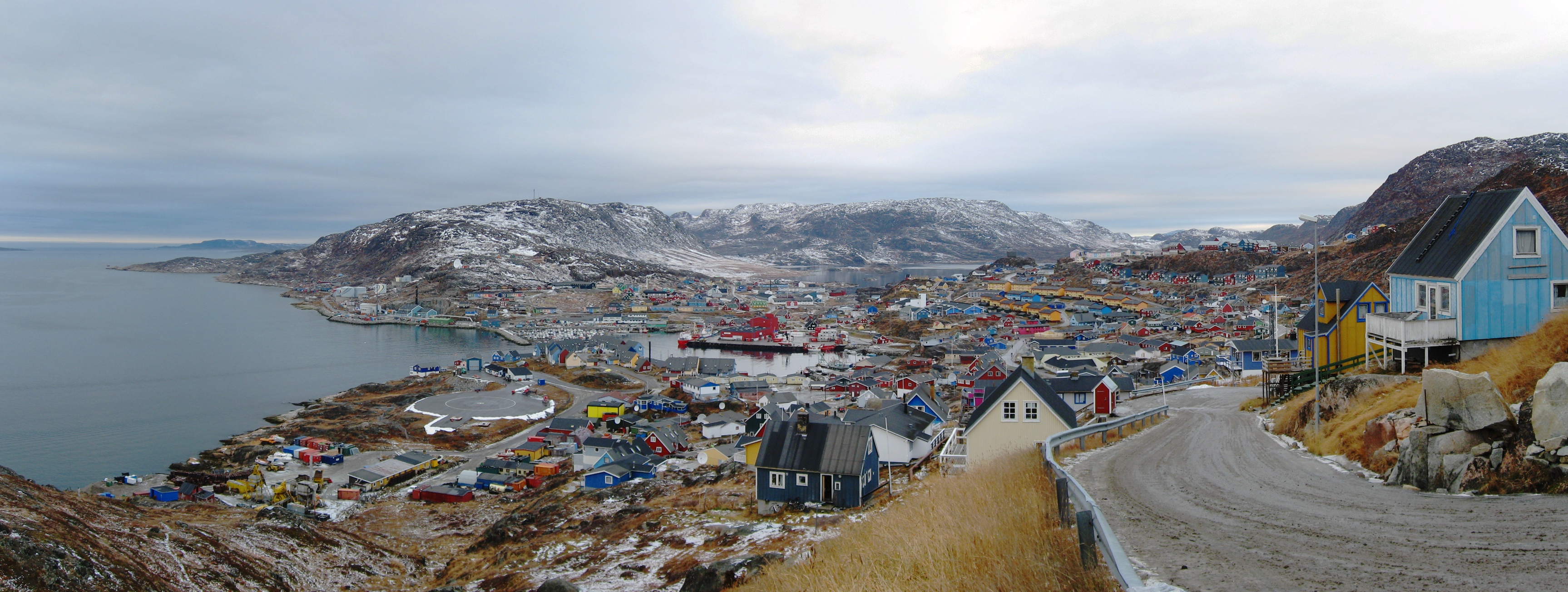
Independent travel is possible in towns and on marked routes, but high costs, limited beds, flights, boats, weather delays, and remote safety needs limit backpacking.
Nuuk and a few larger towns can support short remote-work stays, but cost, time zones, connectivity, visas, and transport disruption reduce practicality.
Flights, accommodation, food, tours, boats, and weather buffers make Greenland expensive even for simple itineraries.
Crime is not the main constraint; the current Level 2 advisory reflects extreme weather, remote terrain, limited emergency services, and potentially slow rescue, so guided and well-prepared travel matters.
Nuuk has the clearest restaurant and bar scene, while most towns are quiet and travel is focused on days outdoors.
Icefjords, whales, fjords, mountains, glaciers, northern lights, midnight sun, dog sledding, hiking, kayaking, and Arctic wildlife are the core reasons to go.
Greenland has dramatic coastlines, but cold water and Arctic conditions make it a coastal scenery destination, not a beach-holiday fit.
There are no roads between towns, so the country is built around flights, boats, ferries, helicopters, snow travel, and local transfers rather than road trips.
Good operators and English in tourism help, but cost, weather, remoteness, limited services, and route disruption make Greenland better for prepared travelers.
Social travel happens through tours, lodges, cafes, cruises, and small-town encounters rather than a broad hostel or backpacker network.




.jpg)