Guam can work for independent travelers, but car rental, U.S.-territory prices, and hotel-heavy infrastructure limit classic backpacking.
English, U.S. services, and connectivity help, especially around Tumon and Hagåtña, though prices and visa status limit longer stays.
Food courts and simple rentals help, but flights, hotels, car rental, and imported goods make Guam pricier than many Southeast Asia beach alternatives.
Guam is generally manageable under normal precautions, but recent typhoon damage, tropical-weather disruption, rip currents, petty theft, rental-car break-ins, high medical costs, and limited evacuation flights require active preparation.
Tumon has bars, restaurants, hotel lounges, karaoke, shopping, and late dining, giving Guam a modest but real nightlife scene.
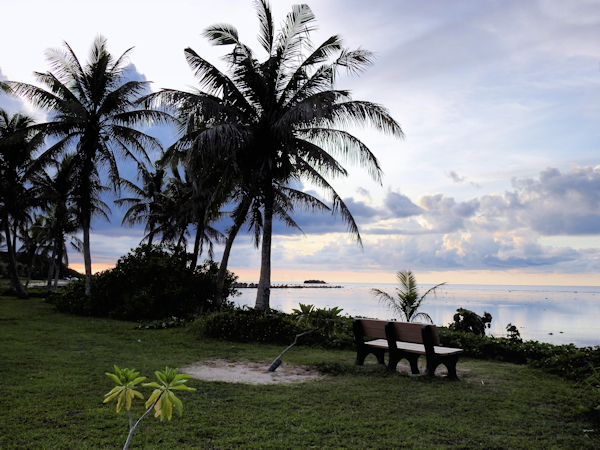
Ritidian, beaches, reefs, limestone cliffs, waterfalls, southern viewpoints, hiking, diving, and marine life give Guam strong nature variety.
Tumon, Ritidian, Gun Beach, Ypao, and southern coastal stops make beaches a major strength, though surf and rip-current warnings matter.
A rental car unlocks the southern loop, villages, viewpoints, beaches, historic sites, and refuge areas better than relying only on shuttles.
English, U.S. systems, short distances, and resort infrastructure help first-time visitors, with typhoon season and water safety the main added planning needs.
Tumon, dive shops, nightlife, tours, shopping areas, military/expat communities, and beach activities create moderate social opportunities.




.jpg)

