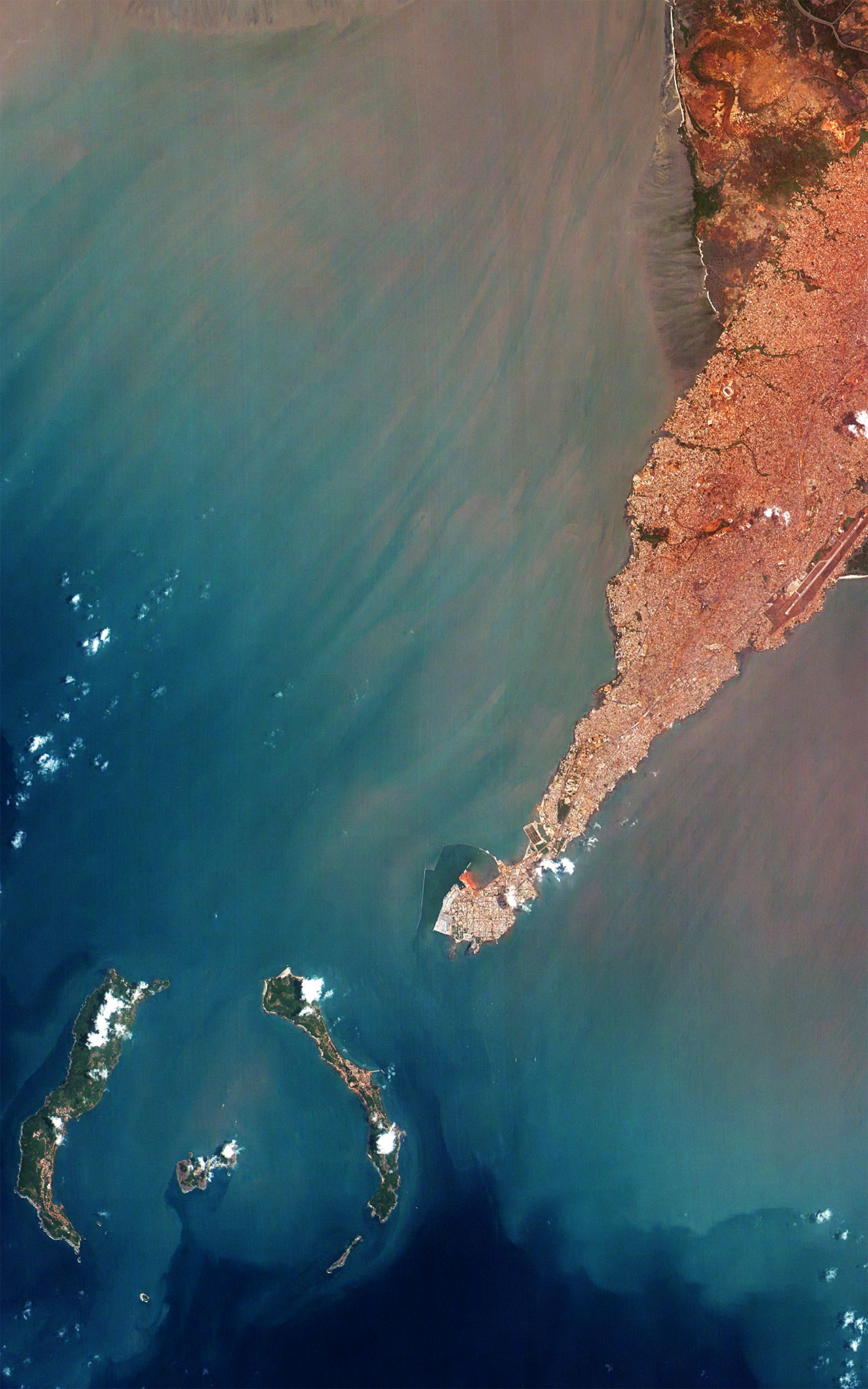
Guinea
← Back to destinations

Guinea

Guinea is a specialist West African destination for Fouta Djallon highlands, waterfalls, Conakry music and markets, Loos Islands, Mount Nimba, and inland cultural routes. It rewards experienced, well-planned travel more than easy first-time tourism.

HighlandsWaterfallsSpecialist

What this trip is really like

Guinea is a specialist West African destination for Fouta Djallon highlands, waterfalls, Conakry music and markets, Loos Islands, Mount Nimba, and inland cultural routes. It rewards experienced, well-planned travel more than easy first-time tourism.

Capital
Conakry
Population
17,521,167 residents (preliminary 2025 RGPH-4 result)
Language
French
Currency
Guinean franc Currency converter ↗
Timezone
Africa/Conakry
Ideal trip length
Depends on the route
Emergency
police: 117, medical: 117, fire: 117

A good fit if you…

Nature

Getting around

Transport, language, entry, and safety are the details that shape how this trip feels day to day.

Getting around

Travel usually combines shared taxis, vetted private drivers, minibuses, 4WD routes, boats to the Loos Islands, and long road journeys. Conakry traffic, checkpoints, poor or flooded roads, demonstrations, bridge and river conditions, and the prohibition on intercity night movement for U.S. government personnel make daylight routing, flexible timing, and current local advice essential.

Language

English support is limited outside specialist hotels, NGOs, mining/business settings, and guides; French or a reliable translation plan is important.

English ease 1/5

Visa

Most foreign nationals need a visa unless their passport is on Guinea's current waiver list. The official Ministry of Security and Civil Protection eVisa portal says the application is not itself an entitlement and may be accepted or rejected without refund; applicants generally need a passport valid for at least six months, a passport data-page scan, a valid return ticket, and a yellow-fever certificate. Repatriation guarantees or additional documents may be required for work, business, study, family, or internship purposes. Visa validity, permitted stay, fees, extensions, land-border procedures, and nationality exemptions are passport- and purpose-dependent, so confirm the live portal or a Guinean mission before booking.

Safety & health

The current U.S. State Department advisory is Level 2, Exercise increased caution, issued 25 February 2026 and updated 30 April 2026, because of crime, unrest, and inadequate health infrastructure.

Exercise increased caution

Explore destination

These are the places that most strongly shape a first trip through Guinea.

Best time, month by month

November to April is generally the easiest broad travel window for Conakry, Fouta Djallon trekking, Mount Nimba planning, and inland roads, although Harmattan dust can reduce visibility and highland waterfalls are less full.

ExcellentGoodOkayLess ideal

December · Excellent

Shoulder

December is dry and practical for Conakry, inland routes, Fouta walks, and Loos Islands trips, with cooler highland nights and possible Harmattan dust; keep passport, transport, and holiday-period logistics flexible.

Climate at a glance

See the seasonal pattern month by month.

Temperature

34 °C21 °CJan
34 °C22 °CFeb
36 °C24 °CMar
36 °C26 °CApr
34 °C24 °CMay
32 °C23 °CJun
30 °C23 °CJul
30 °C23 °CAug
30 °C23 °CSep
33 °C24 °COct
34 °C24 °CNov
34 °C22 °CDec

Precipitation

0 mmJan
1 mmFeb
4 mmMar
20 mmApr
155 mmMay
374 mmJun
1006 mmJul
1117 mmAug
621 mmSep
290 mmOct
79 mmNov
7 mmDec

Climate source →

Full Travel Fit

A wider view of how this destination matches different travel styles.

Backpacking2/5

Guinea has real overland appeal, but weak infrastructure, French-language needs, checkpoints, road conditions, health limits, and unrest make casual backpacking difficult.

Digital nomad1/5

Connectivity, visas, infrastructure, safety, and medical limitations make Guinea a poor remote-work base outside narrow business or NGO contexts.

Budget3/5

Local food and shared transport can be affordable, but delays, 4WD needs, guides, private drivers, health precautions, and Conakry hotels can raise costs.

Safety2/5

The current U.S. advisory is Level 2, Exercise increased caution, for crime, unrest, and inadequate health infrastructure; Conakry crime, demonstrations, checkpoints, night travel, roads, and weak medical response require active planning.

Nightlife1/5

Conakry has music and bars, but safety, transport, and low visitor infrastructure make nightlife a minor fit.

Nature4/5

Fouta Djallon waterfalls and cliffs, Mount Nimba, highlands, rivers, forests, and coastal islands give Guinea strong but logistically demanding nature value.

Beach2/5

The Loos Islands and coast can add beach time, but Guinea is stronger for highlands and specialist routes than simple resort beaches.

Road trip2/5

Road routes can be rewarding, but poor surfaces, flooding, checkpoints, unlit hazards, and night-travel restrictions make self-drive a weak default.

Beginner-friendly1/5

French, safety cautions, weak medical infrastructure, road conditions, visas, and limited tourism systems make Guinea unsuitable for first independent trips.

Social2/5

Social travel is more likely through guides, NGOs, music contacts, business circles, or specialist overland routes than a mainstream backpacker scene.


A few words go a long way

English support is limited outside specialist hotels, NGOs, mining/business settings, and guides; French or a reliable translation plan is important.

English ease 1/5

Learn French for your trip →
Où est la gare ?Where is the station?

Safety & health

The current U.S. State Department advisory is Level 2, Exercise increased caution, issued 25 February 2026 and updated 30 April 2026, because of crime, unrest, and inadequate health infrastructure.

Read more →

On the route

  • Crimes of opportunity, including pickpocketing, purse snatching, theft from vehicles, and assault, are common in Conakry markets, traffic, airport exits, banks, ATMs, and crowded areas; keep phones and valuables discreet and do not resist a robbery.
  • Avoid demonstrations, political gatherings, large crowds, and roadblocks; protests can turn violent and disrupt roads, fuel, services, and city movement with little warning.
  • Use vetted drivers and daylight intercity travel. Roadblocks, requests for money, poor or unlit roads, pedestrians, livestock, flooding, checkpoints, and route changes make independent night driving unsuitable.

Health

  • Health infrastructure is limited and may not provide necessary care; comprehensive medical and evacuation insurance is important, especially for Fouta Djallon, Forest Guinea, Mount Nimba, and long road routes.
  • Local drinking water is unsafe according to the current U.S. guidance. Use sealed or treated water, careful food hygiene, and enough prescribed medicine for the full itinerary.
  • Malaria is a risk throughout Guinea. Seek current travel-health advice, carry a valid yellow-fever certificate, use mosquito protection, and plan for heat, rain, and remote first response.

Check the entry context for your passport

Most foreign nationals need a visa unless their passport is on Guinea's current waiver list. The official Ministry of Security and Civil Protection eVisa portal says the application is not itself an entitlement and may be accepted or rejected without refund; applicants generally need a passport valid for at least six months, a passport data-page scan, a valid return ticket, and a yellow-fever certificate. Repatriation guarantees or additional documents may be required for work, business, study, family, or internship purposes. Visa validity, permitted stay, fees, extensions, land-border procedures, and nationality exemptions are passport- and purpose-dependent, so confirm the live portal or a Guinean mission before booking.

Read more →

Most foreign nationals need a visa unless their passport is on Guinea's current waiver list. The official Ministry of Security and Civil Protection eVisa portal says the application is not itself an entitlement and may be accepted or rejected without refund; applicants generally need a passport valid for at least six months, a passport data-page scan, a valid return ticket, and a yellow-fever certificate. Repatriation guarantees or additional documents may be required for work, business, study, family, or internship purposes. Visa validity, permitted stay, fees, extensions, land-border procedures, and nationality exemptions are passport- and purpose-dependent, so confirm the live portal or a Guinean mission before booking.

Keep the details current

A short list of the most useful official, climate, tourism, and route references behind this guide.

6 source groups
View all sources

Open plan: Open the app

Transport, language, entry, and safety are the details that shape how this trip feels day to day.