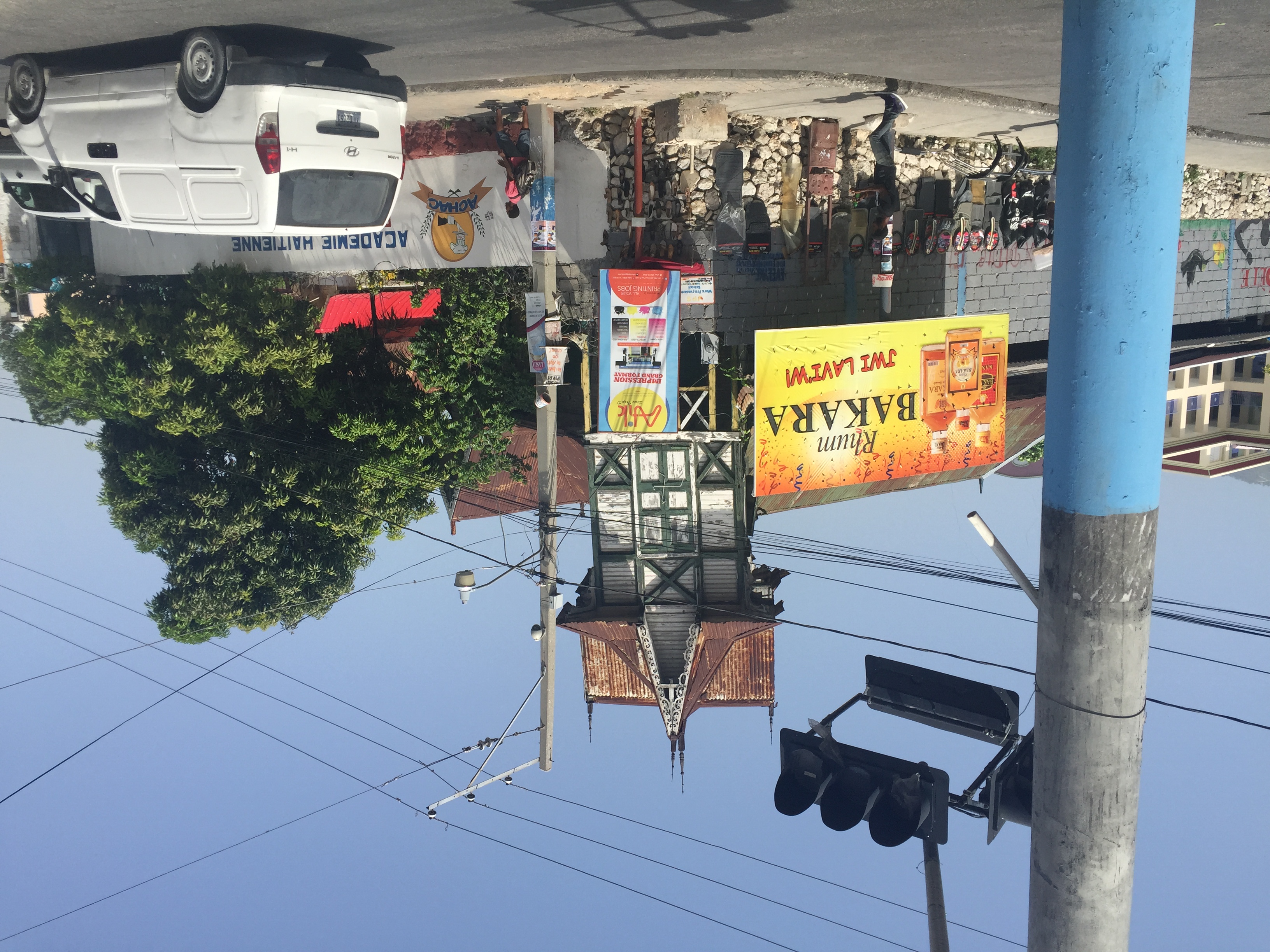
Haiti
← Back to destinations

Haiti

Haiti has profound cultural, historical, and Caribbean appeal, especially the UNESCO-listed National History Park in the north, but current official guidance says not to travel. This profile is best read as future or specialist context, not ordinary leisure advice.

Caribbean cultureFuture planning

What this trip is really like

Haiti has profound cultural, historical, and Caribbean appeal, especially the UNESCO-listed National History Park in the north, but current official guidance says not to travel. This profile is best read as future or specialist context, not ordinary leisure advice.

Capital
Port-au-Prince
Population
11.906 million residents (UNData 2025 estimate)
Language
French, Haitian Creole
Currency
Haitian gourde Currency converter ↗
Timezone
America/Port-au-Prince
Ideal trip length
Depends on the route
Emergency
police: 114, medical: 116, fire: 115

Getting around

Transport, language, entry, and safety are the details that shape how this trip feels day to day.

Getting around

Road travel is highly dangerous: armed carjackings, kidnappings, roadblocks, and blocked routes are common, and FCDO says public transport is often disrupted. U.S. guidance says taxis are unregulated, ride shares are unavailable, and U.S. commercial flights do not operate to or from Port-au-Prince; confirm airport, land-border, and route status immediately before any essential travel. Any authorized movement to the National History Park or northern coast needs a vetted operator, current security clearance, site access, and medical-evacuation planning.

Language

French and Haitian Creole matter far more than English; any essential travel needs trusted local support and current security guidance.

English ease 1/5

Visa

For U.S. and British tourist passports, current country guidance says no visa is required for visits of up to 90 days, but Haiti charges a US$10 tourist fee on arrival and requires the official electronic iKat entry and exit form at least 72 hours before arrival or departure. A passport should be valid for at least six months beyond arrival and have a blank page; yellow-fever proof is required when arriving from a listed transmission-risk country. Longer stays, work, study, business, other passports, minors, borders, and airline conditions require confirmation with Haitian authorities. U.S. and UK authorities currently advise against all travel.

Safety & health

The U.S. State Department issued a Level 4: Do Not Travel advisory on 10 July 2026 because of crime, kidnapping, terrorism, unrest, and limited health care; FCDO also advises against all travel and says British consular support cannot be provided in person.

Level 4: Do not travel

Explore destination

These are the places that most strongly shape a first trip through Haiti.

Best time, month by month

Haiti is warm year-round, but climate varies by route: Port-au-Prince and the western lowlands are hot, the northern coast around Cap-Haïtien is also tropical but can have different rainfall timing, and the Massif du Nord and other uplands are cooler.

ExcellentGoodOkayLess ideal

January · Less ideal

High

January is often one of Haiti's drier, cooler periods in Port-au-Prince and the northern lowlands, while upland nights are cooler; the current U.S. Level 4 and FCDO all-travel warnings leave no normal leisure window.

Climate at a glance

See the seasonal pattern month by month.

Temperature

25 °C12 °CJan
26 °C12 °CFeb
26 °C13 °CMar
26 °C14 °CApr
26 °C16 °CMay
27 °C17 °CJun
27 °C16 °CJul
28 °C17 °CAug
27 °C16 °CSep
26 °C16 °COct
26 °C15 °CNov
25 °C13 °CDec

Precipitation

18 mmJan
31 mmFeb
77 mmMar
127 mmApr
294 mmMay
110 mmJun
163 mmJul
232 mmAug
180 mmSep
278 mmOct
104 mmNov
19 mmDec

Climate source →

Full Travel Fit

A wider view of how this destination matches different travel styles.

Backpacking1/5

The current Level 4 advisory makes independent backpacking inappropriate; kidnapping, violent crime, roadblocks, flight disruption, and weak emergency support affect even basic movement.

Digital nomad1/5

A longer work stay is not a realistic casual option while the country remains under Level 4 guidance, services are unreliable, and emergency assistance is extremely limited.

Budget1/5

Security transport, vetted local support, contingency routing, and medical-evacuation cover would outweigh any low-cost appeal; ordinary budget planning is misleading here.

Safety1/5

The U.S. State Department rates Haiti Level 4: Do Not Travel because of crime, kidnapping, terrorism, unrest, and limited health care.

Nightlife1/5

Nightlife should not be promoted while armed crime, kidnapping, roadblocks, and unpredictable unrest make evening movement unsafe.

Nature2/5

Haiti's mountains, coast, and National History Park have real appeal, but current security and transport restrictions sharply limit practical access.

Beach1/5

Haiti has Caribbean coastline, but beach travel is not a sensible primary purpose while nationwide Level 4 guidance and limited emergency response remain in place.

Road trip1/5

Self-drive and intercity road travel are inappropriate: armed carjackings, improvised roadblocks, kidnapping, and weak emergency response make routes unpredictable.

Beginner-friendly1/5

Haiti is not suitable for a first casual trip while U.S. and UK authorities advise against travel and access to transport, health care, and consular help is constrained.

Social1/5

Normal social travel is not appropriate under the current advisory; any essential visit needs vetted hosts, controlled movement, and a formal security plan.


A few words go a long way

French and Haitian Creole matter far more than English; any essential travel needs trusted local support and current security guidance.

English ease 1/5

Learn French for your trip →
Où est la gare ?Where is the station?

Safety & health

The U.S. State Department issued a Level 4: Do Not Travel advisory on 10 July 2026 because of crime, kidnapping, terrorism, unrest, and limited health care; FCDO also advises against all travel and says British consular support cannot be provided in person.

Read more →

On the route

  • Kidnapping can occur anywhere and at any time, including on commercial buses and private vehicles. Avoid demonstrations, crowds, roadblocks, and unfamiliar routes; never physically resist a robbery or carjacking.
  • FCDO says the Haiti-Dominican Republic border is closed to travellers and may change at short notice. Public transport is often disrupted, while U.S. guidance says taxis are unregulated, ride shares are unavailable, and U.S. citizens should avoid public transport and street-hailed taxis.
  • Dial 114 for police and 116 for ambulance; the profile's 115 fire number should be confirmed locally because emergency response and communications are limited. Keep a communication and departure plan that does not depend on foreign-government evacuation.

Health

  • Hospitals and clinics may lack trained staff, medicines, equipment, and reliable utilities; payment is commonly required in cash before treatment and English may not be widely spoken.
  • Medical evacuation from Haiti can be very expensive and may be difficult to arrange. Carry essential medicines, use safe water, and obtain evacuation coverage before any authorized trip.
  • Yellow-fever documentation may be required when arriving from a listed transmission-risk country; confirm health rules with a travel-health clinic and Haitian authorities before departure.

Check the entry context for your passport

For U.S. and British tourist passports, current country guidance says no visa is required for visits of up to 90 days, but Haiti charges a US$10 tourist fee on arrival and requires the official electronic iKat entry and exit form at least 72 hours before arrival or departure. A passport should be valid for at least six months beyond arrival and have a blank page; yellow-fever proof is required when arriving from a listed transmission-risk country. Longer stays, work, study, business, other passports, minors, borders, and airline conditions require confirmation with Haitian authorities. U.S. and UK authorities currently advise against all travel.

Read more →

For U.S. and British tourist passports, current country guidance says no visa is required for visits of up to 90 days, but Haiti charges a US$10 tourist fee on arrival and requires the official electronic iKat entry and exit form at least 72 hours before arrival or departure. A passport should be valid for at least six months beyond arrival and have a blank page; yellow-fever proof is required when arriving from a listed transmission-risk country. Longer stays, work, study, business, other passports, minors, borders, and airline conditions require confirmation with Haitian authorities. U.S. and UK authorities currently advise against all travel.

Keep the details current

A short list of the most useful official, climate, tourism, and route references behind this guide.

4 source groups
View all sources

Open plan: Open the app

Transport, language, entry, and safety are the details that shape how this trip feels day to day.