There is no scheduled visitor transport, road network, town, or ordinary accommodation. Independent backpacking is not a realistic route; access is permit-controlled and vessel-dependent.
There is no permanent settlement, normal power or internet service, or visitor accommodation. Only authorized expedition or research deployments can support a stay.
Specialist vessels, permits, self-sufficiency, insurance, and long-distance logistics make access rare and expensive. There is no low-cost independent travel model.
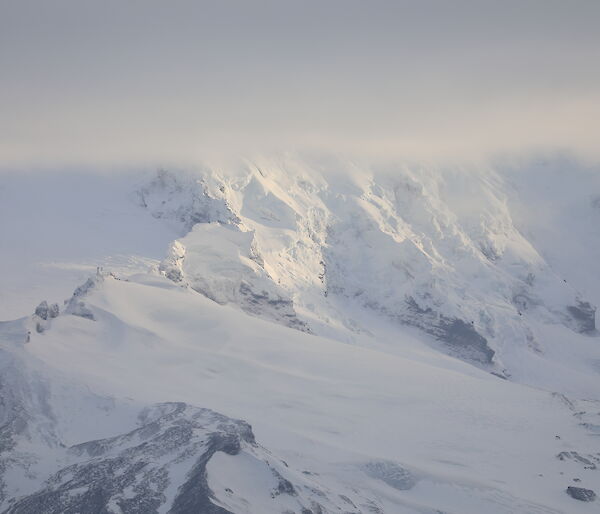
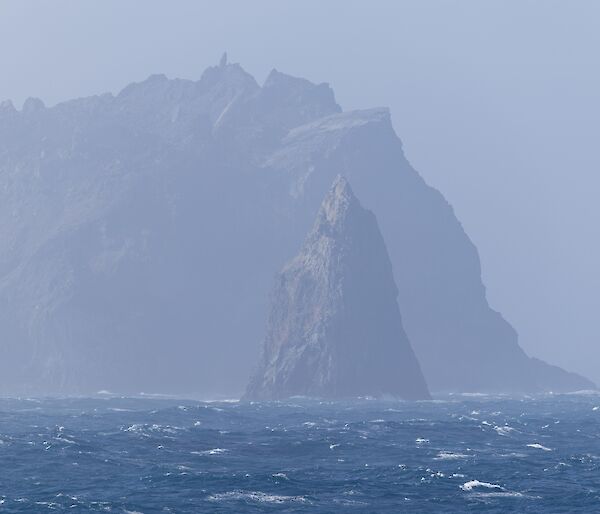
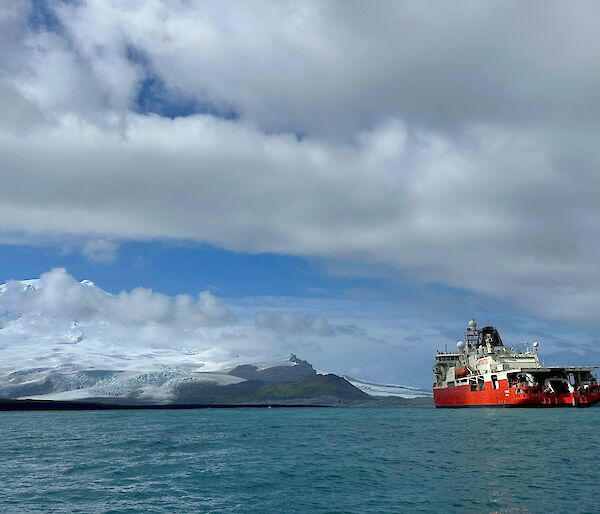
Extreme isolation, rough seas, cold wet and windy weather, glaciers, an active volcano, and no local medical or rescue service make HIMI suitable only for specialist expeditions.
There is no permanent population, visitor venue, or ordinary evening economy; evenings are expedition time.
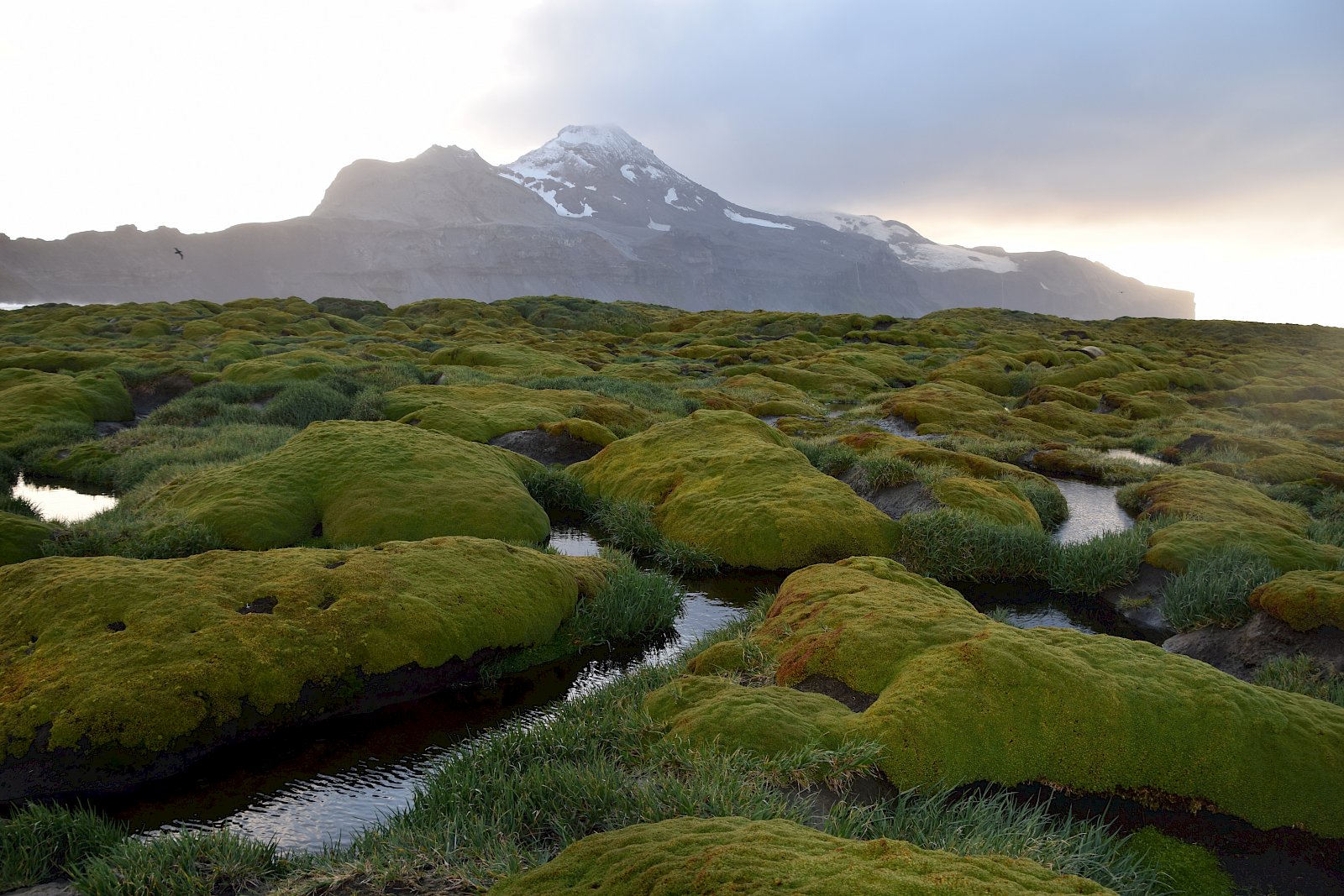
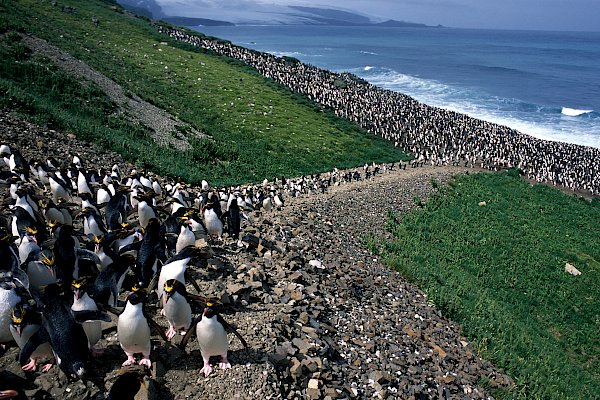
The territory protects glaciers, active volcanic landscapes, seabird and penguin colonies, seals, and largely undisturbed subantarctic ecosystems within a strict nature reserve and World Heritage area.
Coastal beaches exist, but shore access is a controlled landing operation in rough, cold seas and wildlife habitat rather than a recreational beach experience.
HIMI has no public roads or ordinary vehicle network. Authorized movement is generally on foot within permitted zones, with aircraft, vehicles, or small boats requiring explicit approval.
Permit applications, environmental assessment, vessel landings, medical screening, biosecurity, self-sufficiency, and rapidly changing weather make this unsuitable for first-time or casual travelers.
There is no ordinary social or hostel scene; interaction is limited to the small crew, researchers, and expedition team on an authorized voyage.