Honduras can reward a careful route through Copán, Lake Yojoa, La Ceiba, and the Bay Islands, but safety concerns, unreliable road travel, and border and boat logistics make it demanding for first-time backpackers.
Longer stays are most workable in established bases such as Tegucigalpa, San Pedro Sula, or Roatán; connectivity and services vary, and safety planning and visa limits matter.
Mainland food and accommodation can be relatively affordable, but reputable transport, guided nature trips, and Bay Islands ferries and lodging can raise the total.
Honduras is a higher-risk destination: the U.S. State Department advises reconsidering travel because violent crime remains common, with extra restrictions for Gracias a Dios.
Evenings in Honduras are easiest to plan around Tegucigalpa and other larger visitor bases; use local transport care late at night.
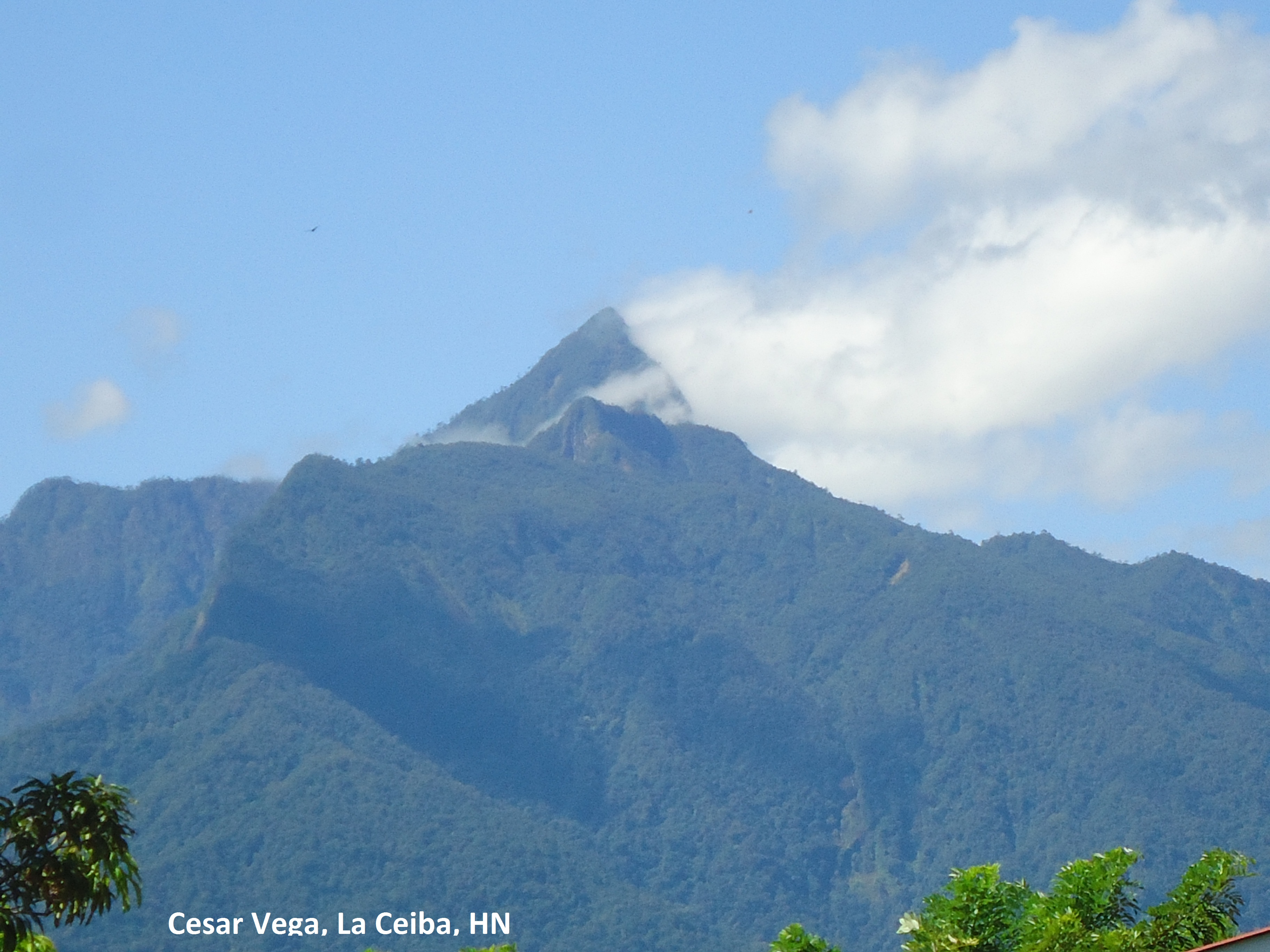
Honduras combines Maya Mountains and cloud forests with Pico Bonito, Celaque, Lake Yojoa, Río Plátano, Mosquitia, and rich Caribbean ecosystems; remote areas require guides and careful logistics.
Roatán, Utila, Guanaja, and Cayos Cochinos offer strong Caribbean beach, snorkeling, and diving experiences, while island transport and lodging can cost more than the mainland.
A car can connect colonial towns and mountain areas, but poor night-driving conditions, damaged roads, flooding, protests, and crime mean routes need daylight buffers and current local advice.
The main visitor route is possible with a reputable operator, but safety concerns, limited services outside hubs, and bus and road conditions make Honduras less forgiving for a first independent trip.
Hostels, dive schools, guided nature trips, and city hubs create social opportunities, especially in Roatán, Utila, La Ceiba, and Copán; outside those bases, Spanish and advance planning help.