Hungary
← Back to destinations

Hungary

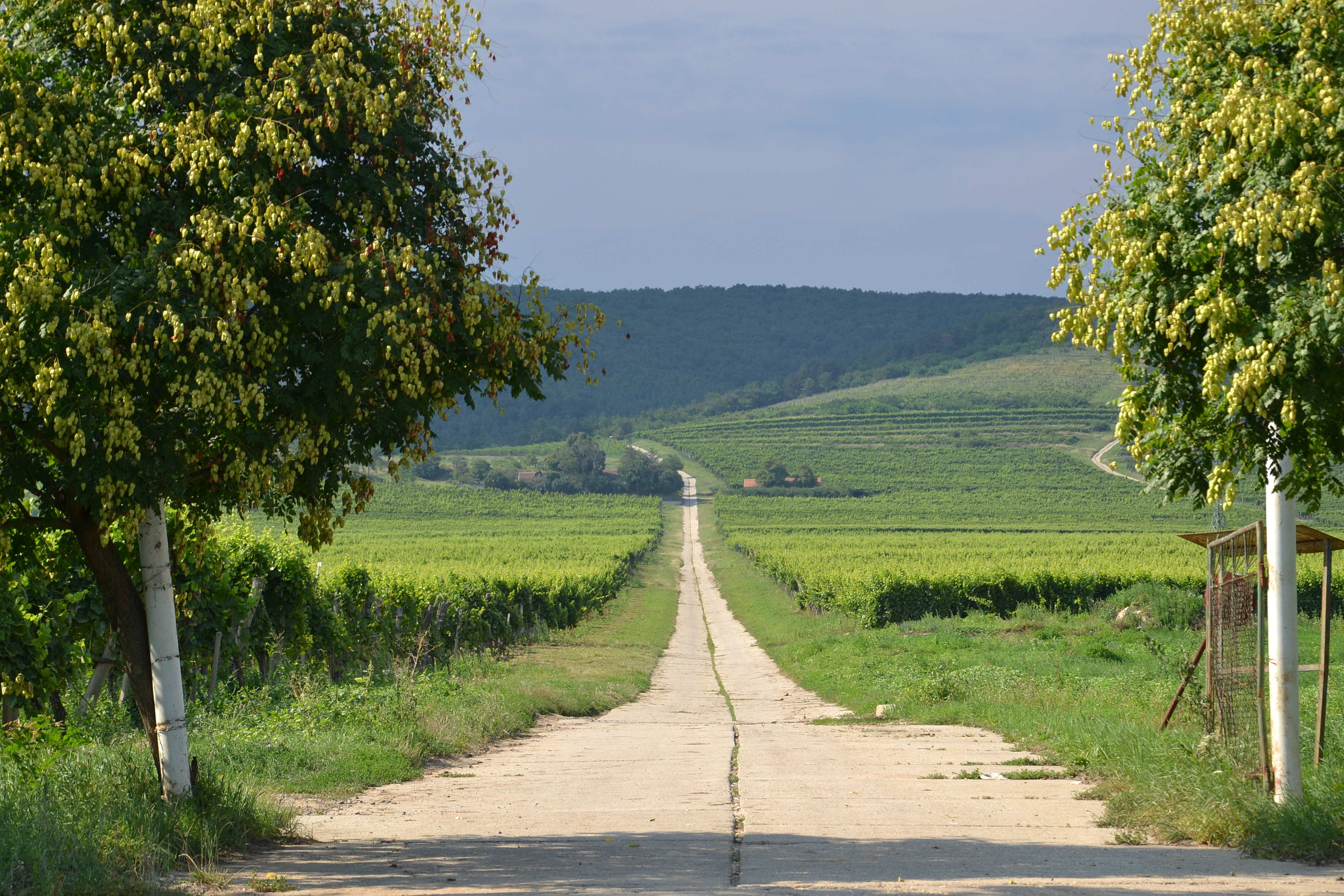
Hungary is a value-friendly Central European trip built around Budapest, thermal baths, ruin bars, Danube views, Lake Balaton, wine regions, historic towns, and easy rail links. It works for city breaks, backpacking, nightlife, spa weekends, and slower countryside add-ons.

BudapestThermal bathsWineValue

What this trip is really like

Hungary is a value-friendly Central European trip built around Budapest, thermal baths, ruin bars, Danube views, Lake Balaton, wine regions, historic towns, and easy rail links. It works for city breaks, backpacking, nightlife, spa weekends, and slower countryside add-ons.

Capital
Budapest
Population
9.6 million
Language
Hungarian
Currency
Hungarian forint Currency converter ↗
Timezone
UTC+02:00, Europe/Budapest, UTC+01:00
Ideal trip length
Depends on the route
Emergency
police: 112, medical: 112, fire: 112

A good fit if you…

Backpacking
Digital nomad
Budget
Safety
Nightlife
Road trip
Beginner-friendly
Social

Getting around

Transport, language, entry, and safety are the details that shape how this trip feels day to day.

Getting around

Budapest has useful metro, tram, bus, and rail links, while trains and buses connect Lake Balaton, Eger, Pecs, Tokaj, and nearby countries. A car helps for wine regions, villages, thermal towns, and flexible Balaton or countryside loops.

Language

English is workable in major cities, hotels, and tourist areas, but Hungarian basics help outside the main visitor route.

English ease 3/5

Visa

Hungary is in the Schengen area. Visa-exempt non-EU travelers can usually stay up to 90 days in any 180-day period; other travelers need a Schengen visa. Passports generally need at least three months' validity beyond planned departure from the Schengen area. Longer stays, work, or study require the correct Hungarian visa or residence status.

Safety & health

Current U.S. guidance is Level 1: exercise normal precautions; Hungary is generally safe for travelers.

Normal precautions

Explore destination

These are the places that most strongly shape a first trip through Hungary.

Best time, month by month

May-June and September-October are usually the easiest months for Hungary: comfortable Budapest weather, wine regions, thermal baths, and countryside trips without peak summer heat. July-August suit Lake Balaton and festivals but can be hot and busy.

ExcellentGoodOkayLess ideal

August · Excellent

Shoulder

Strong for Balaton and summer festivals, including Sziget timing, but heat, crowds, and holiday demand keep it below the easiest months.

Highlights in August

Sziget Festival

Sziget is a large international music and arts festival held on Óbuda Island in Budapest, with concerts and performances across several stages.

Where
Budapest
Timing
Dates vary by year or edition

Climate at a glance

See the seasonal pattern month by month.

Temperature

3 °C-2 °CJan
6 °C-1 °CFeb
13 °C3 °CMar
19 °C8 °CApr
23 °C12 °CMay
27 °C16 °CJun
29 °C18 °CJul
30 °C17 °CAug
24 °C13 °CSep
17 °C7 °COct
11 °C4 °CNov
5 °C0 °CDec

Precipitation

41 mmJan
41 mmFeb
28 mmMar
32 mmApr
82 mmMay
64 mmJun
60 mmJul
50 mmAug
54 mmSep
47 mmOct
46 mmNov
37 mmDec

Climate source →

Full Travel Fit

A wider view of how this destination matches different travel styles.

Backpacking4/5

Budapest hostels, low-cost food, rail links, ruin bars, baths, and side trips to Eger, Balaton, Pecs, and Vienna or Bratislava make Hungary strong for backpacking.

Digital nomad4/5

Budapest offers cafes, coworking, nightlife, transit, and good value compared with many European capitals. Schengen limits and apartment availability are the main longer-stay constraints.

Budget4/5

Hungary remains good value for many travelers, especially with bakeries, markets, transit, baths, local restaurants, and regional trips. Budapest nightlife and peak dates can still add up.

Safety5/5

Hungary is a Level 1 normal-precautions destination. Pickpocketing, nightlife overcharging, station theft, summer heat, and rural tick exposure are the main practical visitor issues.

Nightlife5/5

Budapest is a major nightlife city with ruin bars, clubs, thermal-bath events, wine bars, cafes, and hostel energy. Smaller cities are much quieter.

Nature3/5

Hungary is better for soft outdoor travel than wilderness: Lake Balaton, Danube Bend, wine hills, thermal lakes, caves, plains, and cycling routes.

Beach2/5

Hungary is landlocked, but Lake Balaton, thermal lakes, river beaches, and baths give it real summer water value without being a beach-led destination.

Road trip4/5

Road trips work well for Balaton, Tokaj, Eger, Pecs, thermal towns, castles, and countryside wine routes, while trains and buses are easiest for Budapest-centered travel.

Beginner-friendly4/5

Budapest is easy for first-time visitors thanks to good transit, tourism infrastructure, workable English in visitor areas, strong value, and simple side trips. Language and station logistics can be harder outside major routes.

Social4/5

Budapest hostels, ruin bars, baths, tours, cafes, festivals, and food markets make Hungary social, while wine and countryside routes are calmer.


A few words go a long way

English is workable in major cities, hotels, and tourist areas, but Hungarian basics help outside the main visitor route.

English ease 3/5

Learn Hungarian for your trip →

Safety & health

Current U.S. guidance is Level 1: exercise normal precautions; Hungary is generally safe for travelers.

Read more →

On the route

  • Keep bags and phones secure in Budapest, on public transport, around major train stations, in ruin-bar areas, and on trains between Budapest, Vienna, and Bratislava.
  • Use licensed taxis or trusted ride options, and check bills in nightlife and tourist-heavy venues.
  • Dial 112 for emergency help.

Health

  • Tap water is generally safe, and medical care is strongest in Budapest and larger cities.
  • Travel insurance is important for visitors, especially for thermal-bath, cycling, lake, or countryside plans.
  • Summer heat can affect Budapest sightseeing and Lake Balaton travel; ticks can be a concern after rural nature time.

Check the entry context for your passport

Hungary is in the Schengen area. Visa-exempt non-EU travelers can usually stay up to 90 days in any 180-day period; other travelers need a Schengen visa. Passports generally need at least three months' validity beyond planned departure from the Schengen area. Longer stays, work, or study require the correct Hungarian visa or residence status.

Read more →

Hungary is in the Schengen area. Visa-exempt non-EU travelers can usually stay up to 90 days in any 180-day period; other travelers need a Schengen visa. Passports generally need at least three months' validity beyond planned departure from the Schengen area. Longer stays, work, or study require the correct Hungarian visa or residence status.

Keep the details current

A short list of the most useful official, climate, tourism, and route references behind this guide.

5 source groups
View all sources

Open plan: Open the app

Transport, language, entry, and safety are the details that shape how this trip feels day to day.