Iceland
← Back to destinations

Iceland

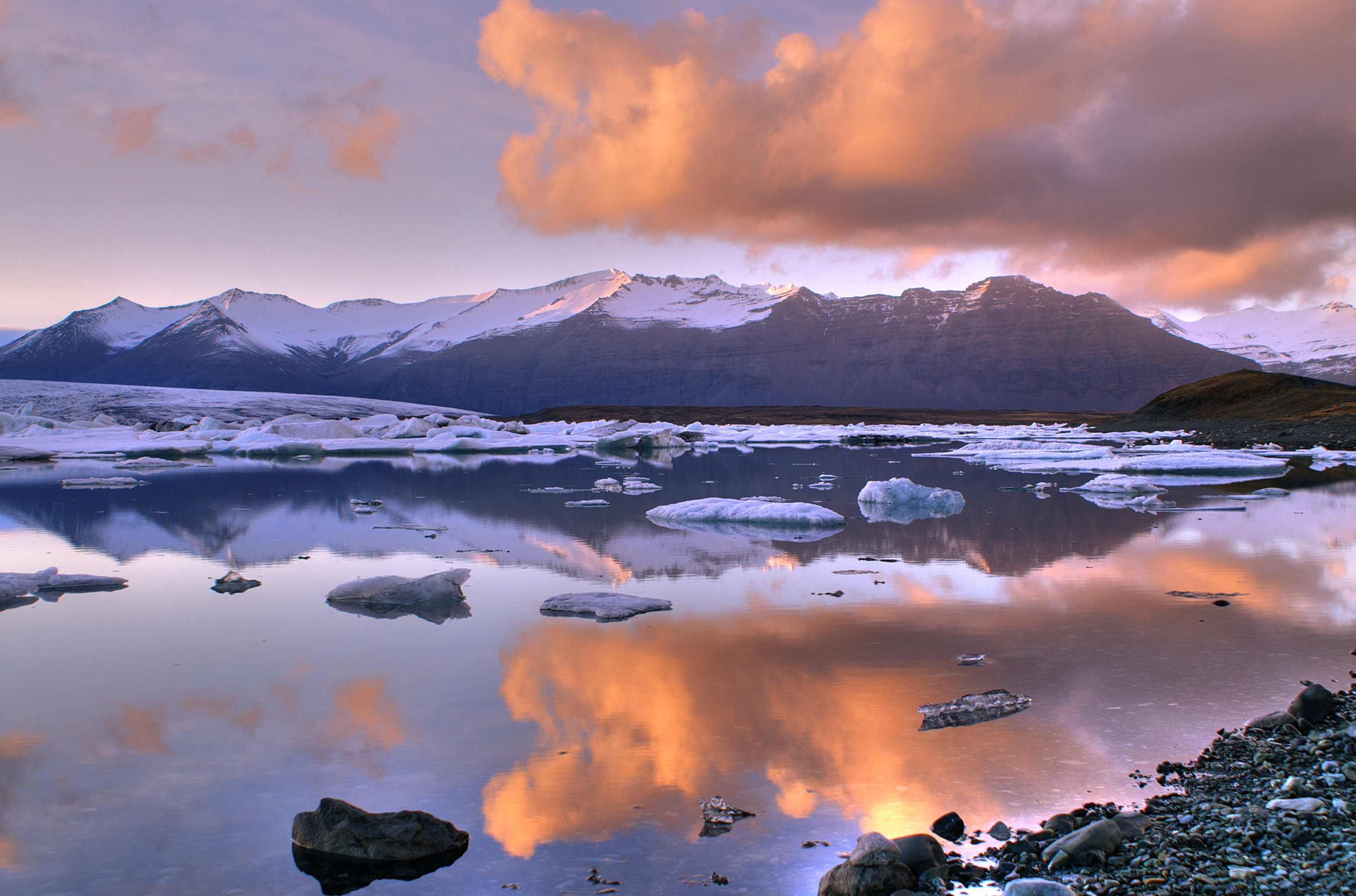
Iceland is a high-impact nature trip for waterfalls, glaciers, volcanoes, hot springs, black-sand beaches, northern lights, midnight sun, and road trips from Reykjavik. It is safe and English-friendly, but expensive and highly weather-dependent.

Road tripsWaterfallsHot springsNorthern lights

What this trip is really like

Iceland is a high-impact nature trip for waterfalls, glaciers, volcanoes, hot springs, black-sand beaches, northern lights, midnight sun, and road trips from Reykjavik. It is safe and English-friendly, but expensive and highly weather-dependent.

Capital
Reykjavik
Population
364 thousand
Language
Icelandic
Currency
Icelandic króna Currency converter ↗
Timezone
UTC±00:00, Atlantic/Reykjavik
Ideal trip length
Depends on the route
Emergency
police: 112, medical: 112, fire: 112

A good fit if you…

Safety
Nature
Road trip
Beginner-friendly

Getting around

Transport, language, entry, and safety are the details that shape how this trip feels day to day.

Getting around

Most visitors combine Reykjavik tours, rental cars, domestic flights, ferries, and seasonal buses. Driving is the main way to see the Golden Circle, South Coast, Snaefellsnes, Ring Road, and remote regions, but weather, wind, gravel roads, F-road restrictions, daylight, fuel, and closures must shape the plan.

Language

English is workable in major cities, hotels, and tourist areas, but Icelandic basics help outside the main visitor route.

English ease 3/5

Visa

Iceland is in the Schengen area. Visa-exempt non-EU travelers can usually stay up to 90 days in any 180-day Schengen period; other travelers need a Schengen visa. Longer stays, work, or study require the correct Icelandic permit or residence status.

Safety & health

Current U.S. guidance is Level 1: exercise normal precautions; crime risk is low for most travelers.

Normal precautions

Explore destination

These are the places that most strongly shape a first trip through Iceland.

Best time, month by month

June-August is the easiest broad-travel season for Iceland: long daylight, open highland access, easier Ring Road driving, puffins, and more predictable tours. September-October and February-March can work well for northern lights with less extreme darkness.

ExcellentGoodOkayLess ideal

June · Excellent

High

One of the best months for midnight sun, puffins, whale watching, South Coast, Ring Road, and easier driving; highlands begin opening late.

Climate at a glance

See the seasonal pattern month by month.

Temperature

3 °C-2 °CJan
3 °C-1 °CFeb
4 °C-1 °CMar
6 °C1 °CApr
10 °C3 °CMay
13 °C7 °CJun
14 °C8 °CJul
13 °C8 °CAug
11 °C6 °CSep
7 °C2 °COct
4 °C0 °CNov
2 °C-3 °CDec

Precipitation

112 mmJan
114 mmFeb
111 mmMar
78 mmApr
70 mmMay
49 mmJun
65 mmJul
71 mmAug
118 mmSep
112 mmOct
102 mmNov
99 mmDec

Climate source →

Full Travel Fit

A wider view of how this destination matches different travel styles.

Backpacking3/5

Iceland is spectacular but expensive for backpackers. Hostels, camping, buses, shared rentals, grocery meals, and short Reykjavik-based tours help, but weather and transport gaps limit spontaneity.

Digital nomad3/5

Reykjavik has solid connectivity and services, but high costs, housing limits, winter darkness, and Schengen rules make long remote-work stays more niche.

Budget1/5

Iceland is one of Europe's most expensive destinations. Groceries, shared accommodation, shoulder dates, cooking, and selective tours help, but car rental, fuel, food, and activities remain costly.

Safety5/5

Iceland is a Level 1 normal-precautions destination with low crime. The serious risks are natural: weather, roads, wind, surf, glaciers, volcanic areas, river crossings, and remote rescue distances.

Nightlife3/5

Reykjavik has lively weekends, bars, music, food halls, and hostel energy. Outside the capital, evenings are quieter and centered on lodges, pools, and small towns.

Nature5/5

Waterfalls, glaciers, volcanoes, hot springs, black-sand beaches, fjords, lava fields, northern lights, midnight sun, and highlands make Iceland one of the world's strongest nature destinations.

Beach1/5

Iceland has dramatic black-sand and coastal scenery, but cold water, dangerous surf, and weather make it a scenic-coast destination rather than a beach trip.

Road trip5/5

Iceland is built for road trips: Golden Circle, South Coast, Snaefellsnes, Ring Road, Westfjords, and highlands. Conditions, rental rules, daylight, fuel, and closures need careful planning.

Beginner-friendly4/5

Iceland is safe, English-friendly, and well set up for tourism, but high costs, fast-changing weather, winter driving, and remote natural hazards make planning more important than in easy city destinations.

Social3/5

Reykjavik hostels, guided tours, small-group road trips, glacier hikes, northern-lights tours, and lagoon visits can be social, while self-drive nature routes are often quiet.


A few words go a long way

English is workable in major cities, hotels, and tourist areas, but Icelandic basics help outside the main visitor route.

English ease 3/5

Learn Icelandic for your trip →

Safety & health

Current U.S. guidance is Level 1: exercise normal precautions; crime risk is low for most travelers.

Read more →

On the route

  • Check road and weather conditions before driving, especially in winter, on gravel roads, and outside the southwest.
  • Obey closures near beaches, glaciers, volcanic areas, geothermal fields, and waterfalls; sneaker waves and unstable terrain can be deadly.
  • Dial 112 for emergencies and use official safe-travel guidance before remote routes.

Health

  • Medical care is good around Reykjavik but limited in remote areas; travel insurance and rescue-aware planning matter.
  • Dress for wind, rain, cold, and rapid weather changes even in summer.
  • Hot springs and geothermal areas can burn; only bathe where it is clearly permitted and safe.

Check the entry context for your passport

Iceland is in the Schengen area. Visa-exempt non-EU travelers can usually stay up to 90 days in any 180-day Schengen period; other travelers need a Schengen visa. Longer stays, work, or study require the correct Icelandic permit or residence status.

Read more →

Iceland is in the Schengen area. Visa-exempt non-EU travelers can usually stay up to 90 days in any 180-day Schengen period; other travelers need a Schengen visa. Longer stays, work, or study require the correct Icelandic permit or residence status.

Keep the details current

A short list of the most useful official, climate, tourism, and route references behind this guide.

5 source groups
View all sources

Open plan: Open the app

Transport, language, entry, and safety are the details that shape how this trip feels day to day.