Ireland
← Back to destinations

Ireland

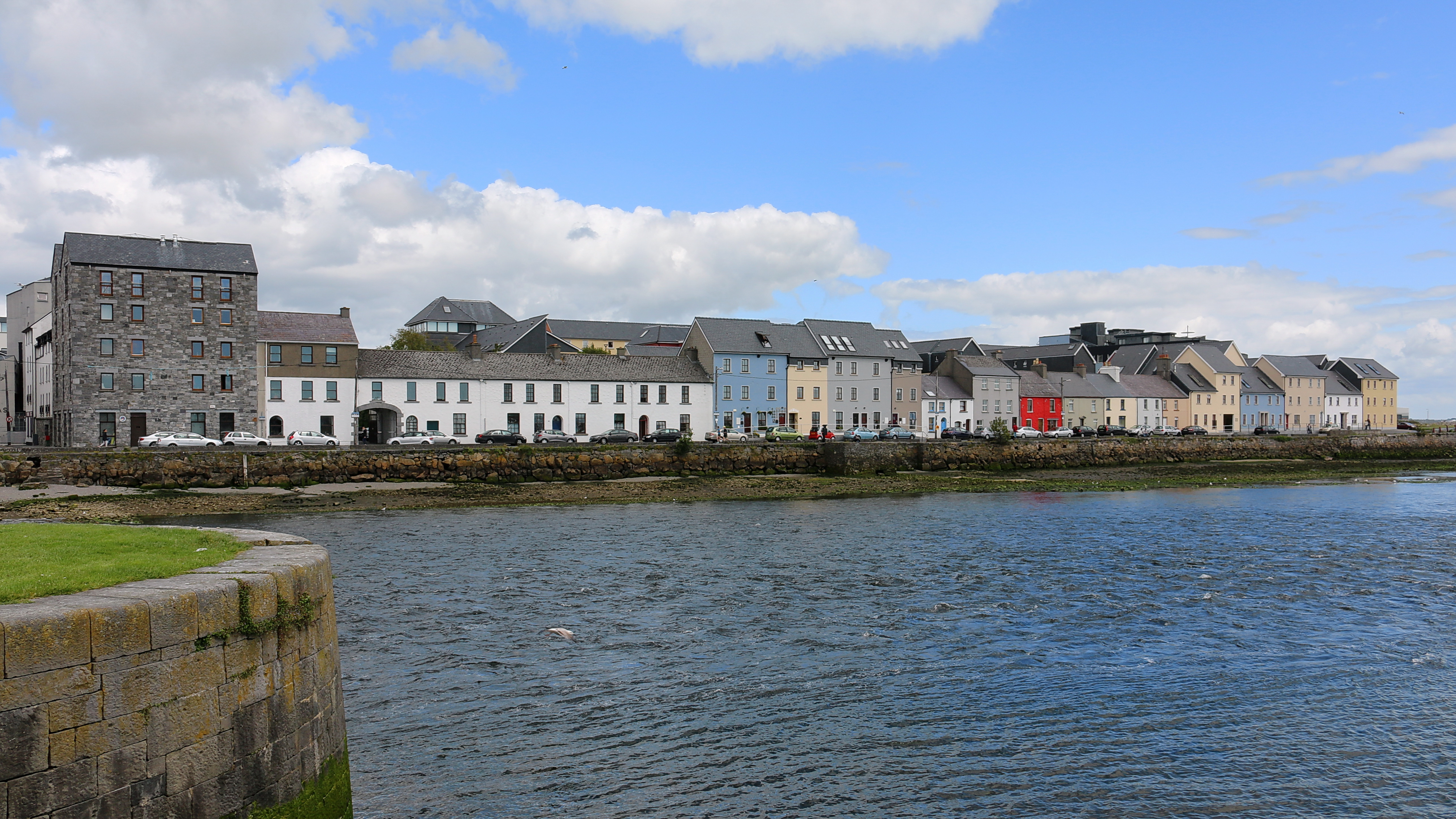
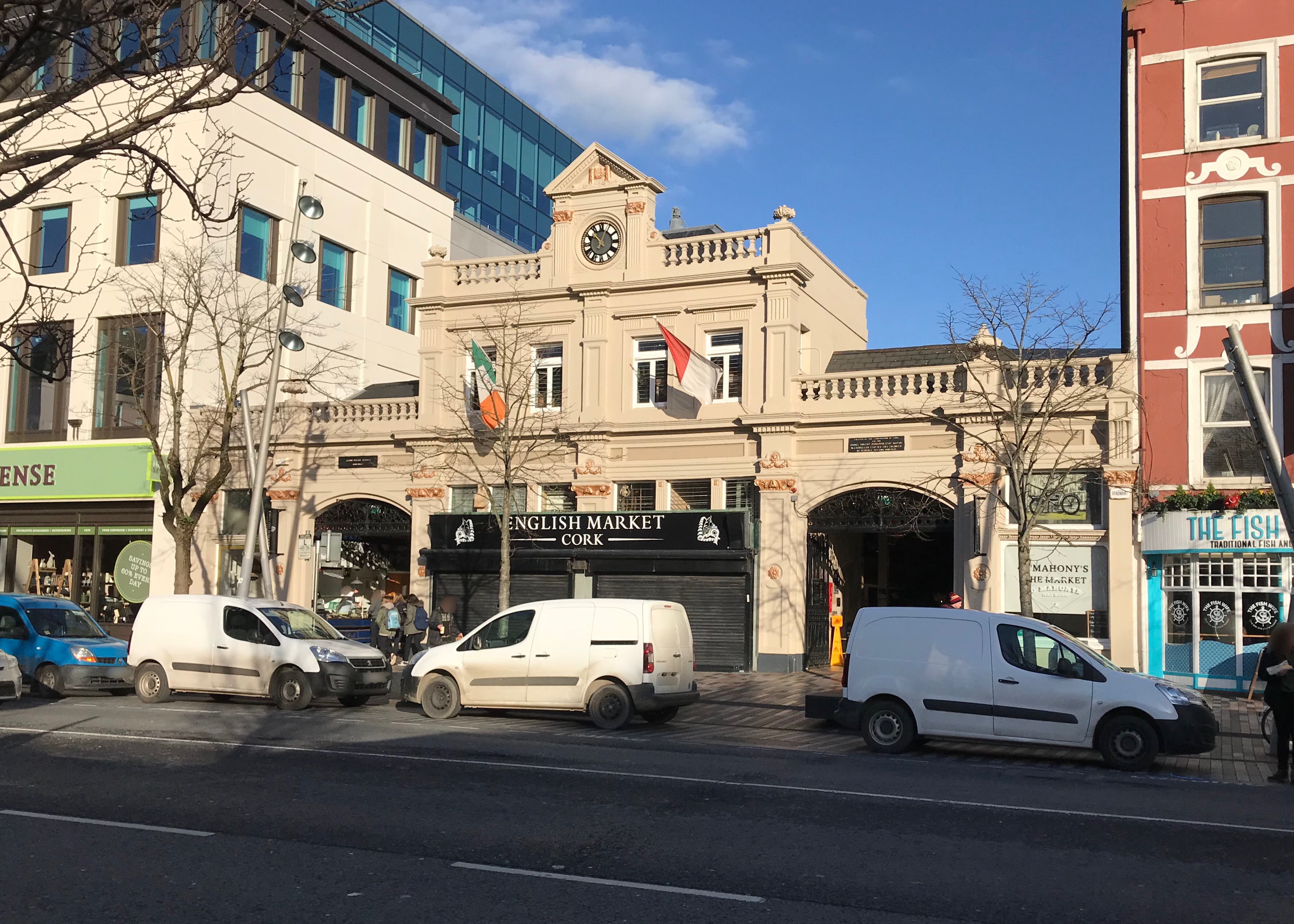
Ireland is a social, scenic trip built around Dublin, pubs, live music, castles, literary history, green landscapes, the Wild Atlantic Way, Galway, Kerry, Cork, and road trips. It is safe and beginner-friendly, but weather, costs, and rural transport need planning.

Road tripsPubsCoastCastles

What this trip is really like

Ireland is a social, scenic trip built around Dublin, pubs, live music, castles, literary history, green landscapes, the Wild Atlantic Way, Galway, Kerry, Cork, and road trips. It is safe and beginner-friendly, but weather, costs, and rural transport need planning.

Capital
Dublin
Population
5.1 million
Language
English, Irish
Timezone
Europe/Dublin, UTC±00:00, UTC+01:00
Ideal trip length
Depends on the route
Emergency
police: 112, medical: 112, fire: 112

A good fit if you…

Backpacking
Safety
Nightlife
Nature
Road trip
Beginner-friendly
Social

Getting around

Transport, language, entry, and safety are the details that shape how this trip feels day to day.

Getting around

Trains and buses connect major cities, Dublin transit works well, and tours cover popular day trips. A car is often best for the Wild Atlantic Way, Kerry, Connemara, Donegal, castles, villages, and flexible coastal routes; plan for left-side driving, narrow roads, rain, and parking limits.

Language

English is easy for almost all travel basics; local accents and Irish-language place names may still take adjustment.

English ease 4/5

Visa

Ireland is not in the Schengen area. Visa rules depend on passport; many travelers can visit for short tourism stays without an Irish visa, while visa-required travelers usually use a short-stay C visa for up to 90 days. Border officers can ask for accommodation, return travel, contacts, funds, and trip-purpose details; longer stays require the correct Irish permission and registration where applicable.

Safety & health

Current U.S. guidance is Level 1: exercise normal precautions; Ireland is generally safe for travelers.

Normal precautions

Explore destination

These are the places that most strongly shape a first trip through Ireland.

Best time, month by month

May-June and September are usually the easiest Ireland months: long daylight, greener landscapes, fewer peak crowds, and better odds for road trips. July-August bring festivals and energy but higher prices and crowds.

ExcellentGoodOkayLess ideal

December · Excellent

Low

Christmas lights, pubs, music, food, and city breaks are appealing, but winter daylight and Atlantic weather keep broad road trips less reliable.

Climate at a glance

See the seasonal pattern month by month.

Temperature

8 °C2 °CJan
8 °C2 °CFeb
10 °C3 °CMar
13 °C4 °CApr
15 °C7 °CMay
18 °C10 °CJun
20 °C12 °CJul
19 °C11 °CAug
17 °C10 °CSep
14 °C8 °COct
10 °C4 °CNov
8 °C3 °CDec

Precipitation

74 mmJan
63 mmFeb
59 mmMar
50 mmApr
56 mmMay
63 mmJun
71 mmJul
78 mmAug
68 mmSep
79 mmOct
93 mmNov
89 mmDec

Climate source →

Full Travel Fit

A wider view of how this destination matches different travel styles.

Backpacking4/5

Ireland works well for backpacking through Dublin, Galway, Cork, hostels, buses, trains, pub culture, music towns, and west-coast routes, though rural transport needs planning.

Digital nomad3/5

Dublin, Galway, Cork, and smaller cities have workable connectivity and English-speaking services, but high rent, housing pressure, and visa limits reduce longer-stay ease.

Budget2/5

Ireland is expensive for lodging, car rental, eating out, and peak-season travel. Hostels, grocery meals, buses, smaller towns, and shoulder months help but do not make it a cheap destination.

Safety5/5

Ireland is a Level 1 normal-precautions destination. Petty theft, nightlife judgment, left-side driving, rural road conditions, cliff edges, wind, rain, and exposed hikes are the main practical issues.

Nightlife4/5

Dublin, Galway, Cork, Limerick, Kilkenny, and many small towns are strong for pubs, live music, comedy, festivals, and social evenings.

Nature5/5

Ireland is excellent for coast, cliffs, islands, green valleys, national parks, bogs, lakes, peninsulas, and scenic drives, with weather shaping every outdoor plan.

Beach3/5

Ireland has beautiful beaches, surf towns, and coastal walks, especially in the west and southwest, but cold water and weather make it scenic-coast travel rather than a warm beach trip.

Road trip5/5

Road trips are one of Ireland's best formats: Wild Atlantic Way, Ring of Kerry, Dingle, Connemara, Donegal, Cork, and smaller castle or village loops. Narrow roads and left-side driving need attention.

Beginner-friendly5/5

English language, friendly tourism infrastructure, clear routes, strong safety, pub culture, and easy city starts make Ireland beginner-friendly, though driving and costs need planning.

Social5/5

Ireland is highly social through pubs, live music, hostels, walking tours, festivals, group day trips, and small-town evenings.


A few words go a long way

English is easy for almost all travel basics; local accents and Irish-language place names may still take adjustment.

English ease 4/5

Learn English for your trip →

Safety & health

Current U.S. guidance is Level 1: exercise normal precautions; Ireland is generally safe for travelers.

Read more →

On the route

  • Petty theft can happen in busy Dublin areas, pubs, transport hubs, and tourist streets, especially around phones and bags.
  • Roads can be narrow in rural and coastal areas; visitors should be ready for left-side driving, rain, sheep, cyclists, and limited shoulders.
  • Dial 112 or 999 for emergencies.

Health

  • Healthcare standards are good, but travel insurance matters for visitors and rural trips.
  • Weather changes quickly; pack rain and wind layers even in mild months.
  • Use care near cliffs, coastal paths, bogs, and exposed hikes, especially in wind or fog.

Check the entry context for your passport

Ireland is not in the Schengen area. Visa rules depend on passport; many travelers can visit for short tourism stays without an Irish visa, while visa-required travelers usually use a short-stay C visa for up to 90 days. Border officers can ask for accommodation, return travel, contacts, funds, and trip-purpose details; longer stays require the correct Irish permission and registration where applicable.

Read more →

Ireland is not in the Schengen area. Visa rules depend on passport; many travelers can visit for short tourism stays without an Irish visa, while visa-required travelers usually use a short-stay C visa for up to 90 days. Border officers can ask for accommodation, return travel, contacts, funds, and trip-purpose details; longer stays require the correct Irish permission and registration where applicable.

Keep the details current

A short list of the most useful official, climate, tourism, and route references behind this guide.

6 source groups
View all sources

Open plan: Open the app

Transport, language, entry, and safety are the details that shape how this trip feels day to day.