Isle of Man
← Back to destinations

Isle of Man

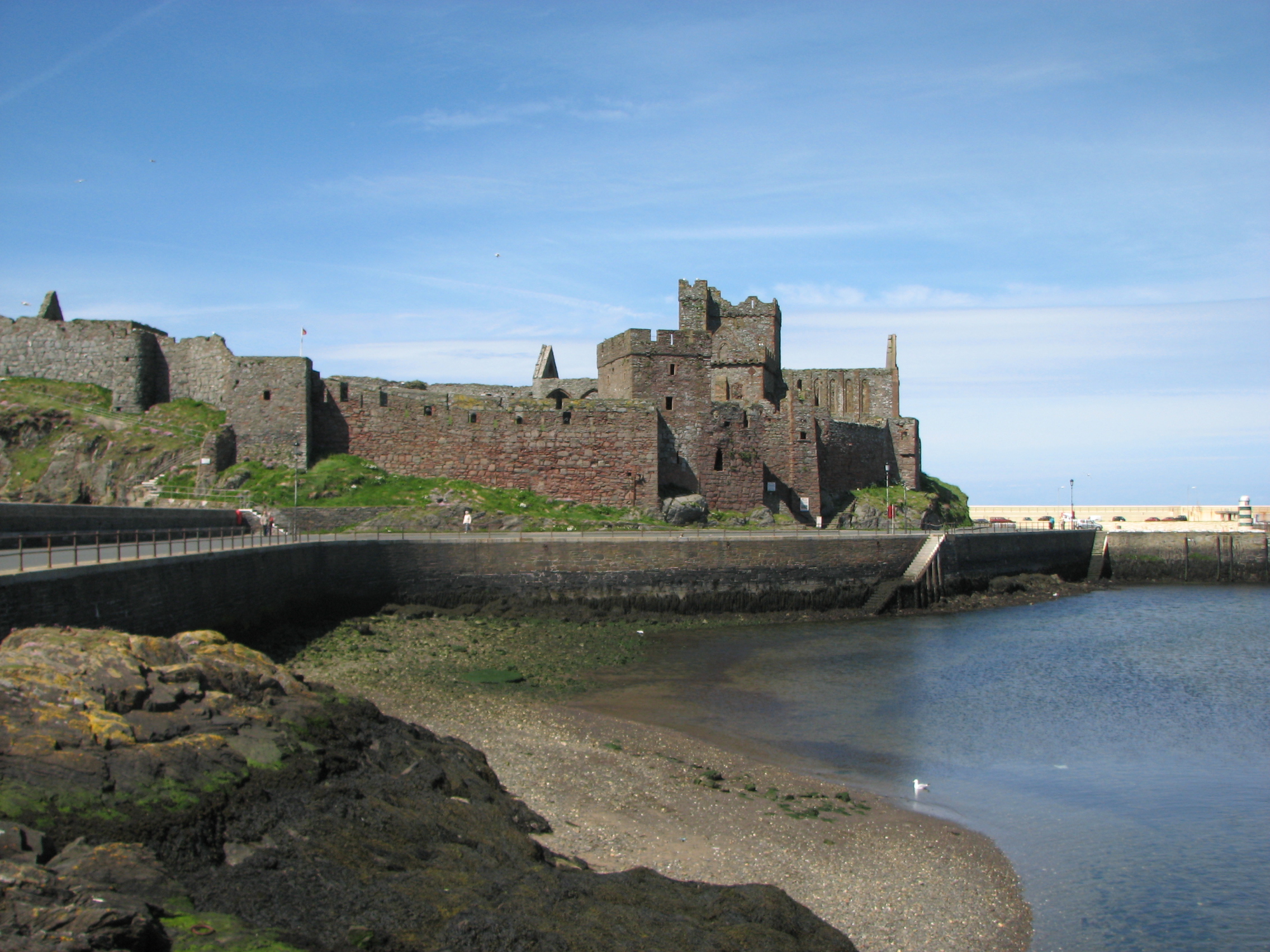
The Isle of Man is a self-governing Crown Dependency in the Irish Sea, known for Manx Celtic and Norse heritage, Tynwald, castles, heritage railways, rugged coastline, hills and TT road-racing culture. It is not part of the UK, although the UK handles defence and foreign affairs; the island has about 85,000 residents.

NatureHistoryRoad trips

What this trip is really like

The Isle of Man is a self-governing Crown Dependency in the Irish Sea, known for Manx Celtic and Norse heritage, Tynwald, castles, heritage railways, rugged coastline, hills and TT road-racing culture. It is not part of the UK, although the UK handles defence and foreign affairs; the island has about 85,000 residents.

Capital
Douglas
Population
about 85,000 (2021 census)
Language
English, Manx
Currency
British pound, Manx pound Currency converter ↗
Timezone
Europe/Isle_of_Man
Ideal trip length
Depends on the route
Emergency
police: 999, medical: 999, fire: 999

A good fit if you…

Safety
Nature
Road trip
Beginner-friendly

Getting around

Transport, language, entry, and safety are the details that shape how this trip feels day to day.

Getting around

Bus Vannin links towns and villages, while the Steam Railway and Manx Electric Railway add heritage routes; ferries and flights serve the island. A car helps reach rural and coastal stops, but drive on the left and check the carrier before travel. Highway Services publishes temporary road and event notices every two weeks and maintains live road information; TT, film work, and other events can close sections of the course or change public transport, so allow extra time and use the official Roadwatch or One.Network updates.

Language

English is the main language and is sufficient for nearly all travel; Manx Gaelic appears on signs and in cultural settings.

English ease 4/5

Visa

The Isle of Man is a Crown Dependency in the Common Travel Area. For visits of up to six months, passengers entering directly from outside the CTA or the Republic of Ireland may need an Isle of Man ETA; the scheme opened on 9 April 2026 and became required for certain passengers from 23 April. British and Irish citizens, and people who already hold valid CTA permission to live, work or study, do not need an ETA when travelling with the relevant documents. An ETA is linked to the passport and lasts two years or until that passport expires, but it is visitor permission and does not grant work or study rights. Non-CTA nationals may need Isle of Man entry clearance, a work route or study permission, and possibly a work permit; post-2020 EEA arrivals who want to work, study or settle need appropriate status. Requirements still depend on nationality, route, purpose, and any travel via Ireland, so check the Isle of Man Immigration Service and GOV.UK before booking.

Safety & health

The Isle of Man is generally a low-crime destination; practical risks are traffic, coastal exposure, changeable weather and event-related road closures rather than widespread violent crime.

Very safe

Explore destination

These are the places that most strongly shape a first trip through Isle of Man.

Best time, month by month

May to August usually offers the best combination of daylight, mild temperatures and lower rainfall, with May and June especially attractive for walking.

ExcellentGoodOkayLess ideal

March · Excellent

Low

March brings longer daylight and Ronaldsway's second-driest long-term average, about 62.5 mm. It remains cool, with average highs around 9.4°C and lows around 4.5°C.

Climate at a glance

See the seasonal pattern month by month.

Temperature

7 °C3 °CJan
8 °C3 °CFeb
9 °C3 °CMar
12 °C5 °CApr
14 °C7 °CMay
17 °C10 °CJun
19 °C12 °CJul
18 °C12 °CAug
16 °C10 °CSep
14 °C8 °COct
10 °C6 °CNov
8 °C4 °CDec

Precipitation

84 mmJan
63 mmFeb
65 mmMar
52 mmApr
58 mmMay
62 mmJun
67 mmJul
83 mmAug
82 mmSep
99 mmOct
109 mmNov
93 mmDec

Climate source →

Full Travel Fit

A wider view of how this destination matches different travel styles.

Backpacking3/5

The island is compact and Bus Vannin plus heritage railways make independent travel manageable, but ferry or flight costs and limited late-evening connections can make a multi-stop trip less flexible.

Digital nomad3/5

English, reliable day-to-day services and Douglas-based accommodation make a short remote-work stay practical, but the small island market and higher accommodation costs limit longer budget stays.

Budget2/5

Ferries or flights, accommodation and TT-season demand can make the Isle of Man expensive; self-catering, buses and shoulder-season travel help control costs.

Safety5/5

The Isle of Man is generally very safe for visitors; take normal precautions and pay closer attention to traffic, coastal conditions and temporary TT road closures.

Nightlife2/5

Douglas has pubs, restaurants and some evening entertainment, but nightlife is modest and quieter outside the capital.

Nature5/5

More than 100 miles of coastline, upland trails, glens, marine habitats and the Calf of Man give the island a strong nature-and-walking profile.

Beach3/5

The island has beaches and dramatic coastal walks, but cool water, wind and changeable weather make it better for scenery than a classic warm-water beach holiday.

Road trip4/5

Short distances, scenic coastal roads and varied towns make a car useful, although visitors drive on the left and must plan around narrow lanes, weather and TT or event closures.

Beginner-friendly5/5

English, low crime, a compact geography and straightforward public transport make the Isle of Man easy for first-time independent visitors; book island transport and accommodation ahead in peak event periods.

Social3/5

Douglas pubs, heritage attractions, walking routes and TT-related events offer social opportunities, though the visitor scene is smaller and more local than in a major city.


A few words go a long way

English is the main language and is sufficient for nearly all travel; Manx Gaelic appears on signs and in cultural settings.

English ease 4/5

Learn English for your trip →

Safety & health

The Isle of Man is generally a low-crime destination; practical risks are traffic, coastal exposure, changeable weather and event-related road closures rather than widespread violent crime.

Read more →

On the route

  • Use normal precautions with valuables and take extra care on narrow rural roads, coastal paths and exposed hills.
  • Check official road notices before travelling; TT and other events can close sections of the road network.

Health

  • Call 999 for an emergency ambulance, police or fire response.
  • Noble's Hospital and local health services provide care, but travel insurance should cover medical treatment and possible evacuation.
  • Weather can change quickly on the coast and hills; carry suitable layers, water and a charged phone on longer walks.

Check the entry context for your passport

The Isle of Man is a Crown Dependency in the Common Travel Area. For visits of up to six months, passengers entering directly from outside the CTA or the Republic of Ireland may need an Isle of Man ETA; the scheme opened on 9 April 2026 and became required for certain passengers from 23 April. British and Irish citizens, and people who already hold valid CTA permission to live, work or study, do not need an ETA when travelling with the relevant documents. An ETA is linked to the passport and lasts two years or until that passport expires, but it is visitor permission and does not grant work or study rights. Non-CTA nationals may need Isle of Man entry clearance, a work route or study permission, and possibly a work permit; post-2020 EEA arrivals who want to work, study or settle need appropriate status. Requirements still depend on nationality, route, purpose, and any travel via Ireland, so check the Isle of Man Immigration Service and GOV.UK before booking.

Read more →

The Isle of Man is a Crown Dependency in the Common Travel Area. For visits of up to six months, passengers entering directly from outside the CTA or the Republic of Ireland may need an Isle of Man ETA; the scheme opened on 9 April 2026 and became required for certain passengers from 23 April. British and Irish citizens, and people who already hold valid CTA permission to live, work or study, do not need an ETA when travelling with the relevant documents. An ETA is linked to the passport and lasts two years or until that passport expires, but it is visitor permission and does not grant work or study rights. Non-CTA nationals may need Isle of Man entry clearance, a work route or study permission, and possibly a work permit; post-2020 EEA arrivals who want to work, study or settle need appropriate status. Requirements still depend on nationality, route, purpose, and any travel via Ireland, so check the Isle of Man Immigration Service and GOV.UK before booking.

Keep the details current

A short list of the most useful official, climate, tourism, and route references behind this guide.

4 source groups
View all sources

Open plan: Open the app

Transport, language, entry, and safety are the details that shape how this trip feels day to day.