Côte d’Ivoire
← Back to destinations

Côte d’Ivoire

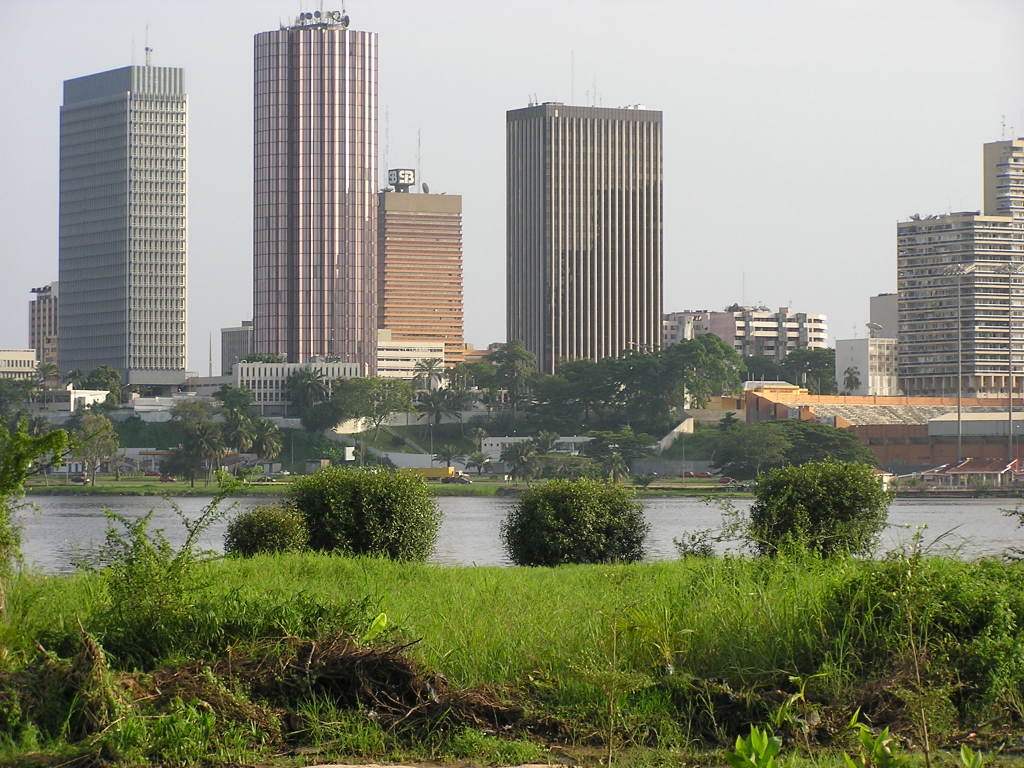
Côte d'Ivoire is a West African country on the Gulf of Guinea. Abidjan is the economic and cultural center, Yamoussoukro is the political capital, and visitors come for Atlantic beaches, rainforests, wildlife, music, food and historic towns such as Grand-Bassam.

CitiesNatureBeachesCulture

What this trip is really like

Côte d'Ivoire is a West African country on the Gulf of Guinea. Abidjan is the economic and cultural center, Yamoussoukro is the political capital, and visitors come for Atlantic beaches, rainforests, wildlife, music, food and historic towns such as Grand-Bassam.

Capital
Yamoussoukro
Population
about 31.9 million (2025 estimate)
Language
French
Currency
West African CFA franc Currency converter ↗
Timezone
Africa/Abidjan
Ideal trip length
Depends on the route
Emergency
police: 110 / 111 / 170, medical: 185, fire: 180

A good fit if you…

Nightlife
Nature
Beach
Social

Getting around

Transport, language, entry, and safety are the details that shape how this trip feels day to day.

Getting around

Abidjan has taxis and ride-hailing, while intercity buses and shared taxis connect major towns. Use ride-hailing or pre-arranged private taxis where possible and avoid public transport after dark. Driving outside Abidjan can be demanding because of road quality, vehicle standards, checkpoints, unofficial roadblocks, poor lighting and heavy-rain disruption; carry photo ID, licence, insurance and vehicle papers, avoid night travel, and confirm park operators, permits, bus schedules, and rural road conditions before leaving the main corridors.

Language

French is essential for most independent travel; English is available in some international hotels and businesses in Abidjan but is limited outside major visitor services.

English ease 2/5

Visa

Côte d'Ivoire entry rules depend on nationality, ECOWAS status, passport type, purpose, and entry point. SNEDAI says its official e-visa route is for ordinary passports with at least six months' validity; the pre-enrolment requires travel and contact details, an approved DST response, a passport copy, and an international yellow-fever certificate. Print the receipt and approval before boarding and collect the visa at Abidjan airport; applying does not guarantee approval and fees are not refunded. ECOWAS citizens generally rely on free-movement arrangements, but the current ECOWAS Commission notes that removal of the 90-day stay limit has not been uniformly implemented, so confirm the current document and permitted stay with Ivorian immigration or an embassy. Other passports may need an e-visa or consular visa; transit, onward tickets, accommodation or invitation evidence, and land-border or airport rules are itinerary-specific. Check SNEDAI, an Ivorian mission, and the carrier before booking.

Safety & health

The U.S. advisory is Level 2, Exercise Increased Caution, because of crime, terrorism, unrest, health risks and piracy in nearby waters; FCDO warns against all travel within 40 km of the Burkina Faso and Mali borders, in northern Zanzan and Savanes, and in Comoé National Park.

Exercise increased caution

Explore destination

These are the places that most strongly shape a first trip through Côte d’Ivoire.

Best time, month by month

December to February is usually the driest window for a broad Côte d'Ivoire itinerary, although Harmattan haze and heat can reduce visibility.

ExcellentGoodOkayLess ideal

January · Excellent

High

January is one of the best months for a broad Côte d'Ivoire itinerary: Yamoussoukro averages about 35.2°C by day, 18.1°C at night and 11.7 mm of rain in WMO 1991-2020 station normals. Harmattan haze can affect visibility.

Climate at a glance

See the seasonal pattern month by month.

Temperature

34 °C20 °CJan
35 °C22 °CFeb
35 °C23 °CMar
34 °C23 °CApr
32 °C23 °CMay
31 °C23 °CJun
30 °C22 °CJul
29 °C22 °CAug
30 °C22 °CSep
31 °C22 °COct
32 °C22 °CNov
32 °C20 °CDec

Precipitation

16 mmJan
54 mmFeb
102 mmMar
123 mmApr
144 mmMay
159 mmJun
81 mmJul
93 mmAug
195 mmSep
145 mmOct
56 mmNov
23 mmDec

Climate source →

Full Travel Fit

A wider view of how this destination matches different travel styles.

Backpacking3/5

Abidjan, Yamoussoukro, Man and the coast can form a rewarding route, but French, long distances, checkpoints and uneven transport make independent travel more demanding than in easier first-time destinations.

Digital nomad3/5

Abidjan has the country's strongest connectivity, services and international business base; outside the economic capital, accommodation, power and transport logistics are less predictable and visa limits matter.

Budget3/5

Local food, markets and shared transport can be good value, while international flights, Abidjan accommodation, private drivers and nature excursions raise the cost of longer routes.

Safety2/5

Travel is possible with increased caution in many visitor areas, but crime, terrorism, demonstrations, road risks and specific no-travel regions require current official advice and careful route planning.

Nightlife4/5

Abidjan has a lively mix of maquis, music, bars, restaurants and clubs, especially in districts such as Cocody and Yopougon; use secure transport and avoid isolated areas late at night.

Nature4/5

Taï, Banco, Comoé, the western mountains, lagoons and coastal forests give Côte d'Ivoire real biodiversity and walking potential, though permits, guides, access and regional security must be checked.

Beach4/5

Grand-Bassam, Assinie, San-Pédro and Grand-Béréby offer Atlantic beaches and lagoon scenery; swimming conditions, currents, local safety and access vary by coast.

Road trip2/5

Main corridors connect major cities, but driving standards, road lighting, checkpoints and vehicle maintenance are concerns; rain can make minor roads difficult and night driving should be avoided.

Beginner-friendly2/5

Abidjan offers strong services and ride-hailing, but French, visa preparation, health precautions, road risks and regional advisories make the country better for prepared travelers than for a first solo trip.

Social4/5

Abidjan's music, food, nightlife and neighborhood life create a strong social scene, while festivals, football and local guides can add connection elsewhere on the route.


A few words go a long way

French is essential for most independent travel; English is available in some international hotels and businesses in Abidjan but is limited outside major visitor services.

English ease 2/5

Learn French for your trip →
Où est la gare ?Where is the station?

Safety & health

The U.S. advisory is Level 2, Exercise Increased Caution, because of crime, terrorism, unrest, health risks and piracy in nearby waters; FCDO warns against all travel within 40 km of the Burkina Faso and Mali borders, in northern Zanzan and Savanes, and in Comoé National Park.

Read more →

On the route

  • Violent crime, carjacking and robbery can occur, especially in urban areas and on roads; keep doors locked, hide valuables and avoid displaying wealth.
  • Avoid demonstrations and crowds, follow local instructions, carry your original passport, and expect checkpoints or temporary roadblocks. Armed robberies have affected western main roads, and unofficial roadblocks can be dangerous.
  • Road travel is more difficult outside Abidjan, especially at night or during heavy rain; use reputable transport or ride-hailing where available. Park access, guides, permits, and rural transfers should be arranged with current tourism or park authorities, not assumed from a general city itinerary.

Health

  • Call 185 for an ambulance. Malaria, dengue, Zika and yellow fever are relevant health risks; obtain current travel-health advice before departure.
  • Abidjan has the strongest medical facilities, while care outside major cities can be limited; carry insurance that includes treatment and medical evacuation.
  • Use bottled or treated water and take normal food and mosquito precautions.

Check the entry context for your passport

Côte d'Ivoire entry rules depend on nationality, ECOWAS status, passport type, purpose, and entry point. SNEDAI says its official e-visa route is for ordinary passports with at least six months' validity; the pre-enrolment requires travel and contact details, an approved DST response, a passport copy, and an international yellow-fever certificate. Print the receipt and approval before boarding and collect the visa at Abidjan airport; applying does not guarantee approval and fees are not refunded. ECOWAS citizens generally rely on free-movement arrangements, but the current ECOWAS Commission notes that removal of the 90-day stay limit has not been uniformly implemented, so confirm the current document and permitted stay with Ivorian immigration or an embassy. Other passports may need an e-visa or consular visa; transit, onward tickets, accommodation or invitation evidence, and land-border or airport rules are itinerary-specific. Check SNEDAI, an Ivorian mission, and the carrier before booking.

Read more →

Côte d'Ivoire entry rules depend on nationality, ECOWAS status, passport type, purpose, and entry point. SNEDAI says its official e-visa route is for ordinary passports with at least six months' validity; the pre-enrolment requires travel and contact details, an approved DST response, a passport copy, and an international yellow-fever certificate. Print the receipt and approval before boarding and collect the visa at Abidjan airport; applying does not guarantee approval and fees are not refunded. ECOWAS citizens generally rely on free-movement arrangements, but the current ECOWAS Commission notes that removal of the 90-day stay limit has not been uniformly implemented, so confirm the current document and permitted stay with Ivorian immigration or an embassy. Other passports may need an e-visa or consular visa; transit, onward tickets, accommodation or invitation evidence, and land-border or airport rules are itinerary-specific. Check SNEDAI, an Ivorian mission, and the carrier before booking.

Keep the details current

A short list of the most useful official, climate, tourism, and route references behind this guide.

7 source groups
View all sources

Open plan: Open the app

Transport, language, entry, and safety are the details that shape how this trip feels day to day.