












Getting around
Tokyo → Matsumoto → Takayama → Kanazawa → Kyoto is a strong slower route through the Alps and culture.

Japan brings together dense cities, temples, mountains, islands, and remarkably precise transport. For a first trip, a compact route usually works better than trying to cover the whole country.
Japan brings together dense cities, temples, mountains, islands, and remarkably precise transport. For a first trip, a compact route usually works better than trying to cover the whole country.
General information
Use the reference page for context, then check current plans in the Smart Planner.
Transport, language, entry, and safety are the details that shape how this trip feels day to day.
Tokyo → Matsumoto → Takayama → Kanazawa → Kyoto is a strong slower route through the Alps and culture.
English signage and transit apps are strong on the main route, but spoken help drops outside major hotels, stations, and tourist corridors.
English ease 3/5Japan's short-stay visa requirement is passport-, passport-type-, residence-, and purpose-dependent. Holders of ordinary passports from the 74 countries and regions on the current MOFA exemption list can usually visit visa-free for a short stay, often up to 90 days, subject to each listing's ePassport, machine-readable-passport, registration, and stay-limit notes. Other travelers need a visa; JAPAN eVISA is limited to eligible applicants/residents, ordinary passports, air or limited scheduled ferry entry, and single-entry tourism of up to 90 days. Short-term visitor status does not allow paid work, and employment, study, residence, or other long stays need the correct status before travel.
The current U.S. State Department advisory lists Japan at Level 1: exercise normal precautions, issued May 15, 2025.
Level 1: Exercise normal precautionsThese are the places that most strongly shape a first trip through Japan.

Tokyo works best by mixing major hubs like Shinjuku, Shibuya, Asakusa, Ginza, and Akihabara with quieter side streets and day trips.
Japan National Tourism Organization ↗
Kyoto is the classic cultural counterpoint to Tokyo, with temples, shrines, gardens, lanes, seasonal colors, and easy train links to Nara and Osaka.
Japan National Tourism Organization ↗
Osaka is the easiest place to build evenings around takoyaki, okonomiyaki, izakaya, Dotonbori, markets, and casual late-night dining.
Japan National Tourism Organization ↗
Bullet trains make multi-city trips efficient, especially Tokyo-Kyoto-Osaka-Hiroshima or Tokyo-Nagano-Kanazawa routes; reserve popular services and allow for weather, earthquake, and holiday disruption notices.
Japan National Tourism Organization ↗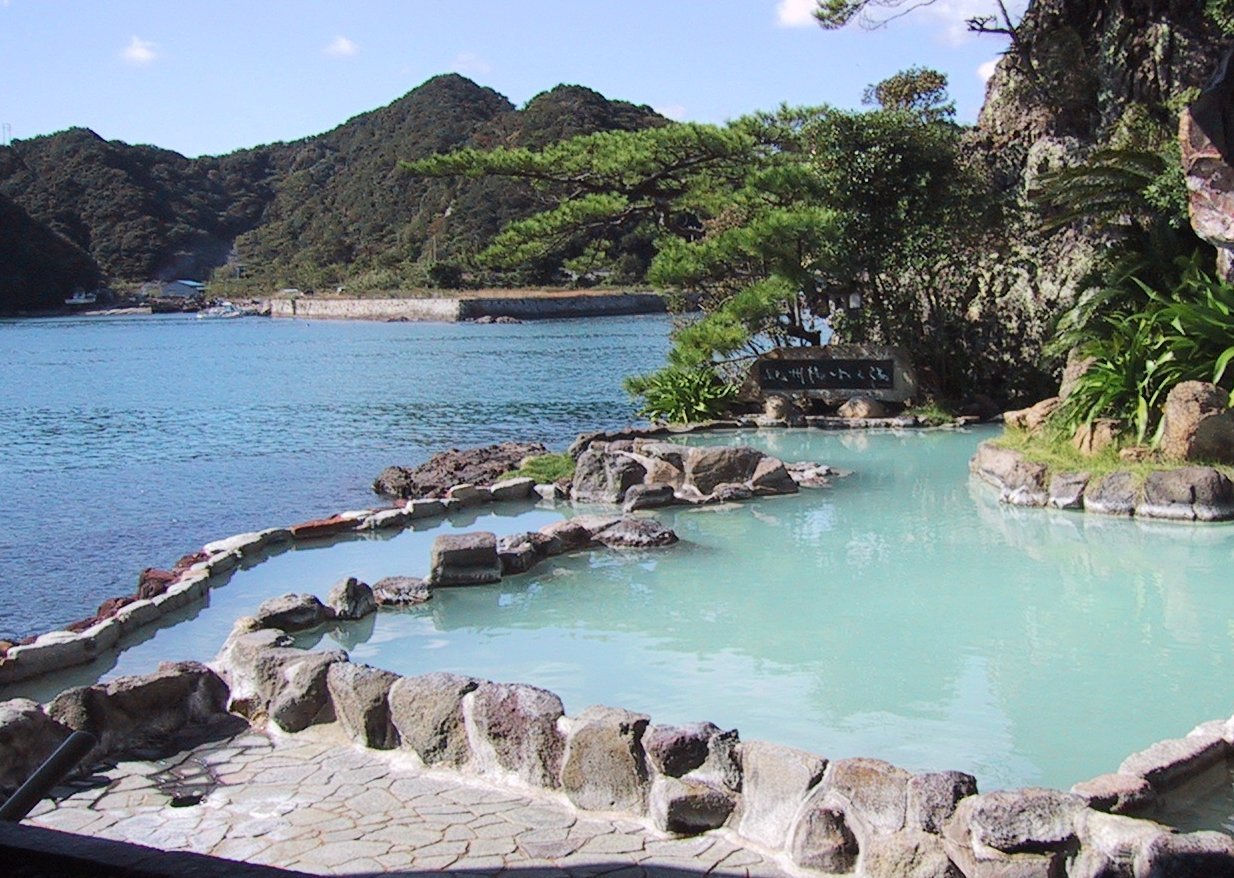
Hot-spring towns and ryokan stays add a slower, more traditional break from city-heavy itineraries; regional bathing rules, reservations, weather access, and holiday closures vary by property.
Japan National Tourism Organization ↗Spring and autumn are comfortable and popular. Summer is hot and humid; winter is strongest for cities, onsen, and snow regions.
Heat begins to ease later in September and demand often drops, but humidity, heavy rain, and typhoons can still affect Okinawa, the Pacific coast, and transport; keep outdoor plans flexible.
The Sapporo Snow Festival displays enormous snow and ice sculptures across the city, making Hokkaido's capital a major winter destination.
Japan's cherry blossom season covers parks, gardens and riversides in pink and white flowers, with famous viewing spots in Tokyo and Kyoto and later bloom in northern regions.
Japan's cherry blossom season covers parks, gardens and riversides in pink and white flowers, with famous viewing spots in Tokyo and Kyoto and later bloom in northern regions.
Japan's cherry blossom season covers parks, gardens and riversides in pink and white flowers, with famous viewing spots in Tokyo and Kyoto and later bloom in northern regions.
Gion Matsuri fills Kyoto with elaborate festival floats, traditional music and neighbourhood celebrations, with major processions in July.
Autumn leaves turn Japan's temples, gardens and mountain landscapes red and gold, with particularly famous viewing areas around Kyoto.
Autumn leaves turn Japan's temples, gardens and mountain landscapes red and gold, with particularly famous viewing areas around Kyoto.
Spring and autumn are comfortable and popular. Summer is hot and humid; winter is strongest for cities, onsen, and snow regions.
See the seasonal pattern month by month.
A wider view of how this destination matches different travel styles.
Japan is easy to navigate independently with trains, hostels, lockers, convenience stores, safe streets, and clear route apps. Costs are higher than Southeast Asia, but budget travel is realistic with rail, buses, and simple food.
Tokyo, Osaka, Kyoto, Fukuoka, and Sapporo can support remote work, but accommodation is expensive and short-stay visa rules limit long work-style stays. Connectivity and daily infrastructure are excellent.
Japan is not cheap, but value is better than many travelers expect: convenience stores, ramen, set meals, business hotels, hostels, buses, and regional rail passes can control costs.
Japan has a Level 1 U.S. advisory and low crime, making it one of the easier major destinations for personal safety. Natural disasters, summer heat, and nightlife awareness are the main caveats.
Tokyo, Osaka, Fukuoka, Sapporo, and Kyoto have strong nightlife through izakaya, bars, clubs, karaoke, live music, food alleys, and late dining.
Mount Fuji, the Japanese Alps, Hokkaido, national parks, islands, forests, onsen regions, ski areas, and coastal routes give Japan much more outdoor range than a city-only itinerary suggests.
Japan has good beaches in Okinawa and some island/coastal regions, but beaches are usually a secondary reason to visit compared with cities, food, culture, rail travel, and mountains.
Rail beats driving for core routes, but cars work well for Hokkaido, rural Kyushu, Shikoku, Okinawa, ski regions, and remote onsen where trains and buses thin out.
Japan is beginner-friendly because it is safe, organized, clean, well-signed, and transport-rich. The main friction points are language, etiquette, cash/card quirks, reservations, and complex stations.
Hostels, food tours, bars, language exchanges, ski towns, festivals, and backpacker routes make social travel possible, though Japan can feel more reserved than party-led destinations.
English signage and transit apps are strong on the main route, but spoken help drops outside major hotels, stations, and tourist corridors.
English ease 3/5
Learn Japanese for your trip →The current U.S. State Department advisory lists Japan at Level 1: exercise normal precautions, issued May 15, 2025.
Read more →Recommended: Routine vaccines up to date; Japanese encephalitis vaccination is usually only relevant for specific rural exposure.
Japan's short-stay visa requirement is passport-, passport-type-, residence-, and purpose-dependent. Holders of ordinary passports from the 74 countries and regions on the current MOFA exemption list can usually visit visa-free for a short stay, often up to 90 days, subject to each listing's ePassport, machine-readable-passport, registration, and stay-limit notes. Other travelers need a visa; JAPAN eVISA is limited to eligible applicants/residents, ordinary passports, air or limited scheduled ferry entry, and single-entry tourism of up to 90 days. Short-term visitor status does not allow paid work, and employment, study, residence, or other long stays need the correct status before travel.
Read more →German ordinary passport holders are generally visa-exempt for short visits of up to 90 days for tourism, business meetings, conferences, transit, or study without paid work. Longer stays require the proper status or extension process; check the MOFA notes before relying on a stay beyond 90 days.
Pack layers, comfortable shoes, a light rain jacket, and room for a day bag. In October, the south can stay warm while the north turns cool.
What to pack →Transport, language, entry, and safety are the details that shape how this trip feels day to day.
A short list of the most useful official, climate, tourism, and route references behind this guide.
4 source groupsTrip Planner & Map
Transport, language, entry, and safety are the details that shape how this trip feels day to day.
