Jersey is compact and easy to link by bus or on foot, but accommodation and eating out can be expensive; budget travellers need early booking and shoulder-season planning.
Saint Helier offers the strongest services and English-language working environment, but long stays depend on immigration permission, housing cost, and a small-island job and social market.
Jersey is a high-cost destination; self-catering, buses, free coastal walks, and shoulder-season travel can reduce the bill, but it is not a natural shoestring base.
Everyday travel is generally low-risk and English-language services are accessible; the important exceptions are traffic, nightlife awareness, exposed cliffs, strong tides, and rip currents.
Saint Helier has a compact selection of pubs, bars, restaurants, and events, but Jersey is better for relaxed evenings than for a large club scene.
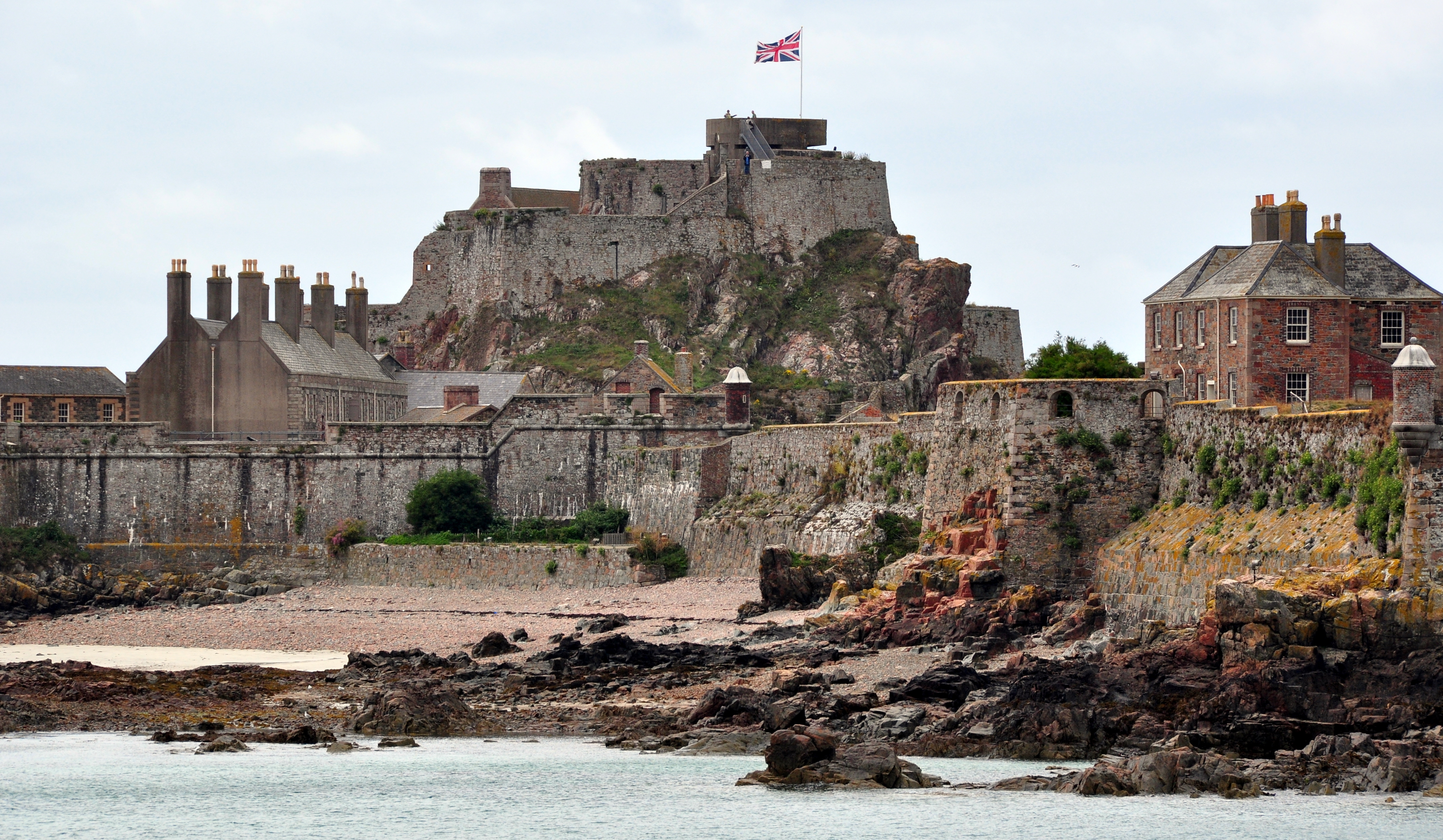
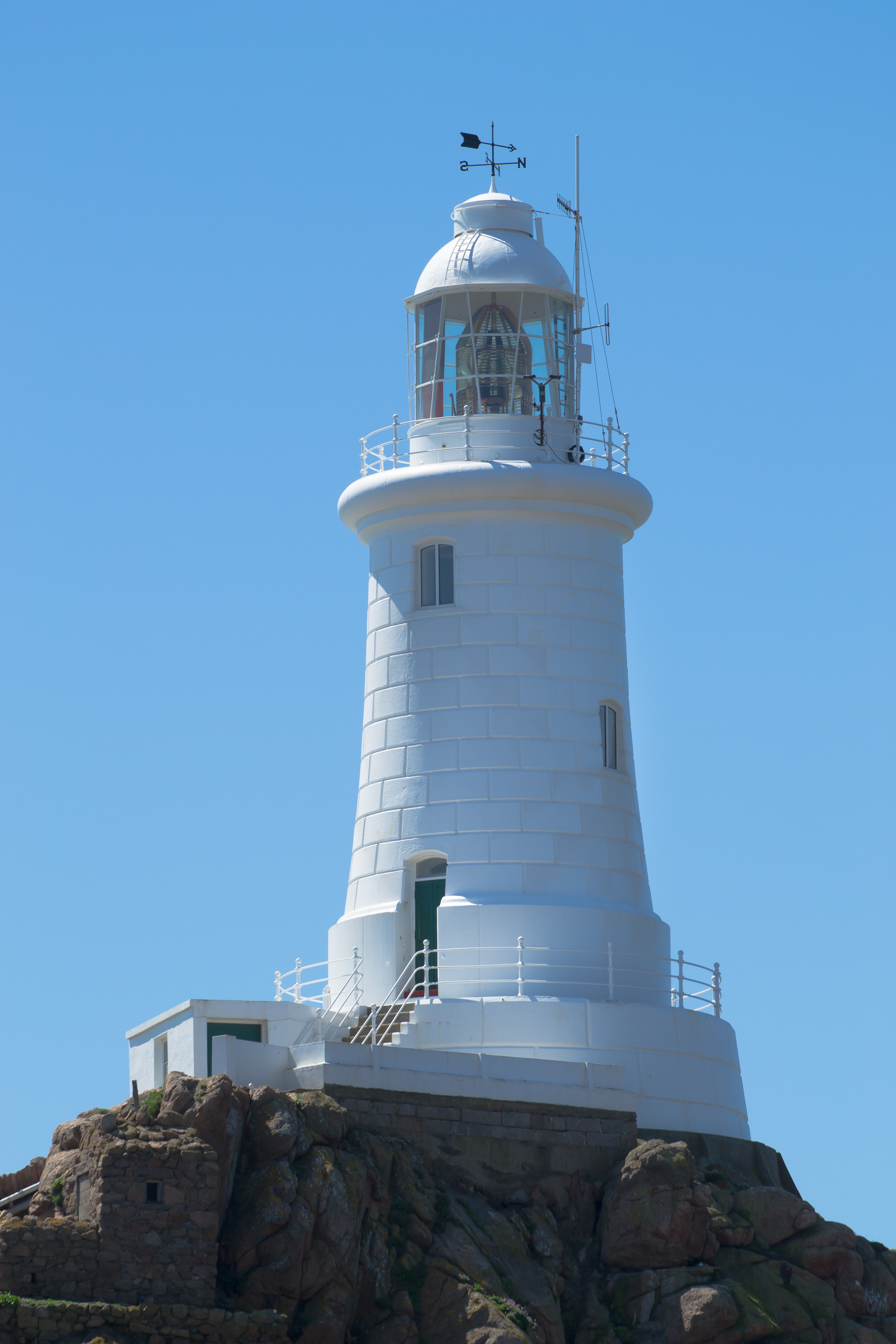
Cliff paths, sandy bays, granite headlands, tidal reefs, countryside lanes, and marine habitats give Jersey unusually strong nature value for a small island.
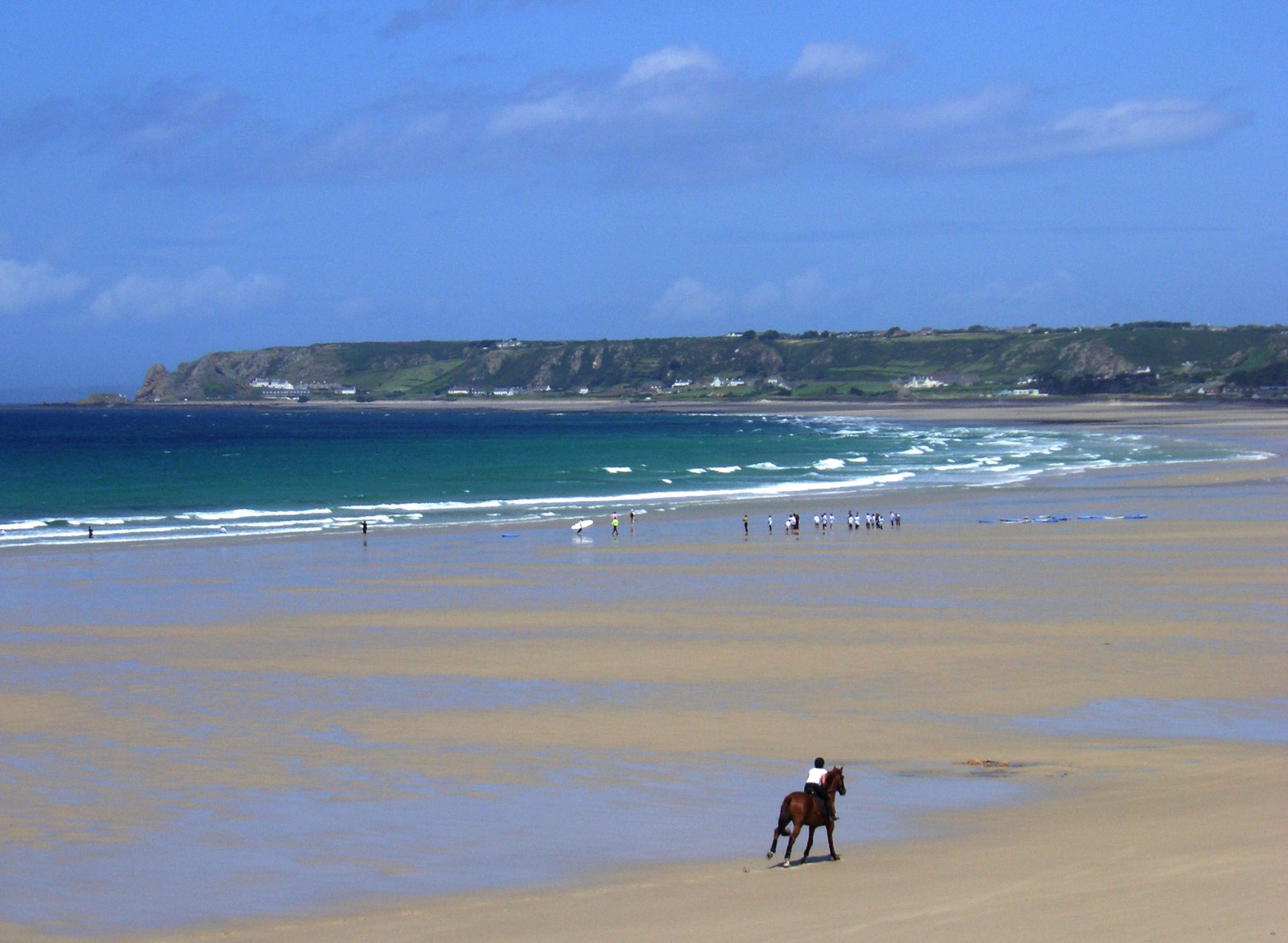
Jersey has many distinct sandy bays and coves, including broad St Ouen's Bay; plan around cool water, tides, rip currents, and lifeguard coverage.
A compact island makes scenic coast-to-coast days realistic, but drivers must keep left, handle narrow roads and green lanes, and plan around parking and lower speed limits.
English, a compact layout, clear official bus information, and generally low everyday risk make Jersey approachable; first-timers still need to understand ETA rules, left-side driving, and tidal safety.
Saint Helier concentrates the island's visitor social life around cafés, pubs, food, and events, while the smaller scale makes the scene friendly but limited.