Kenya
← Back to destinations

Kenya

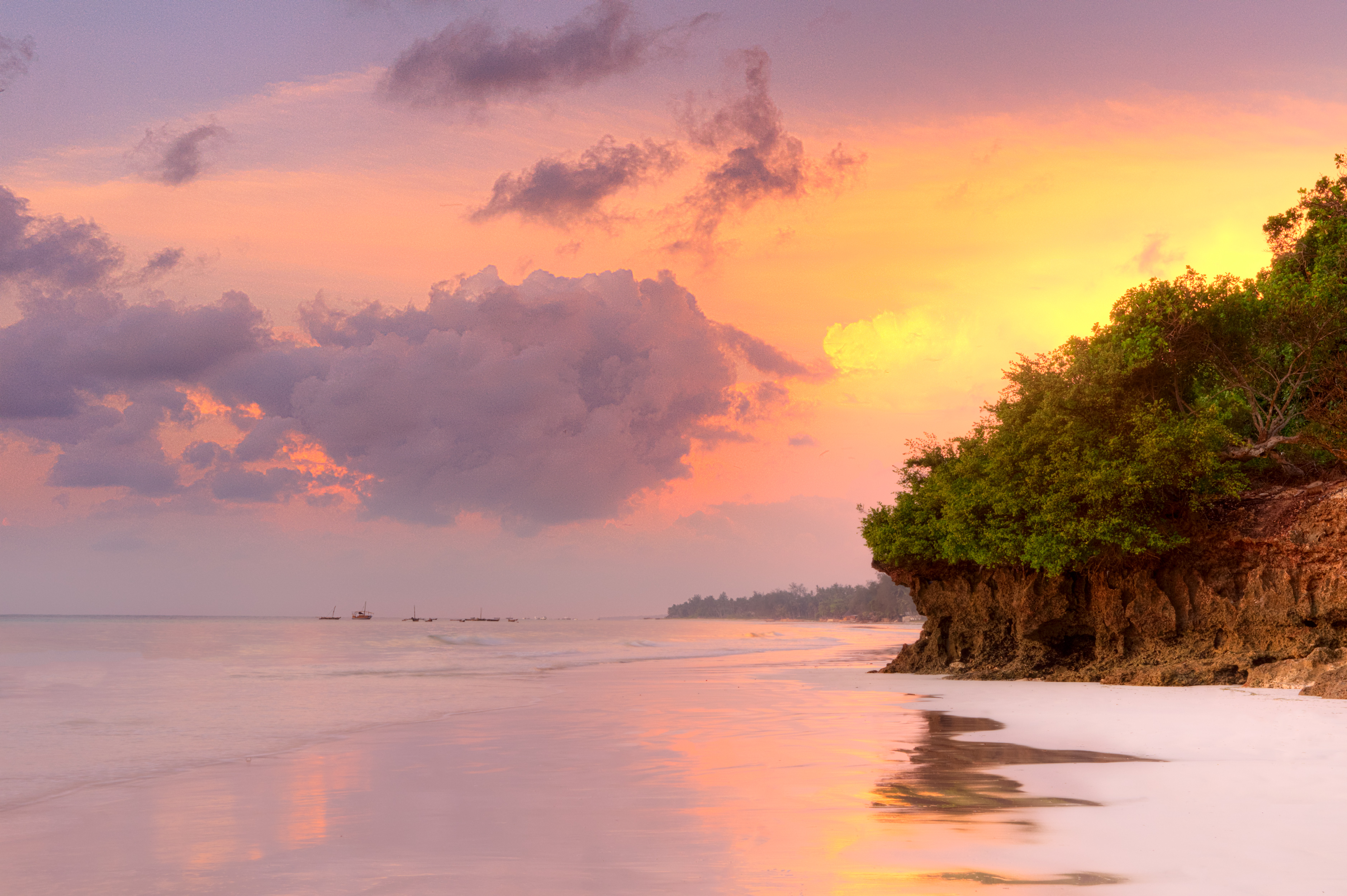
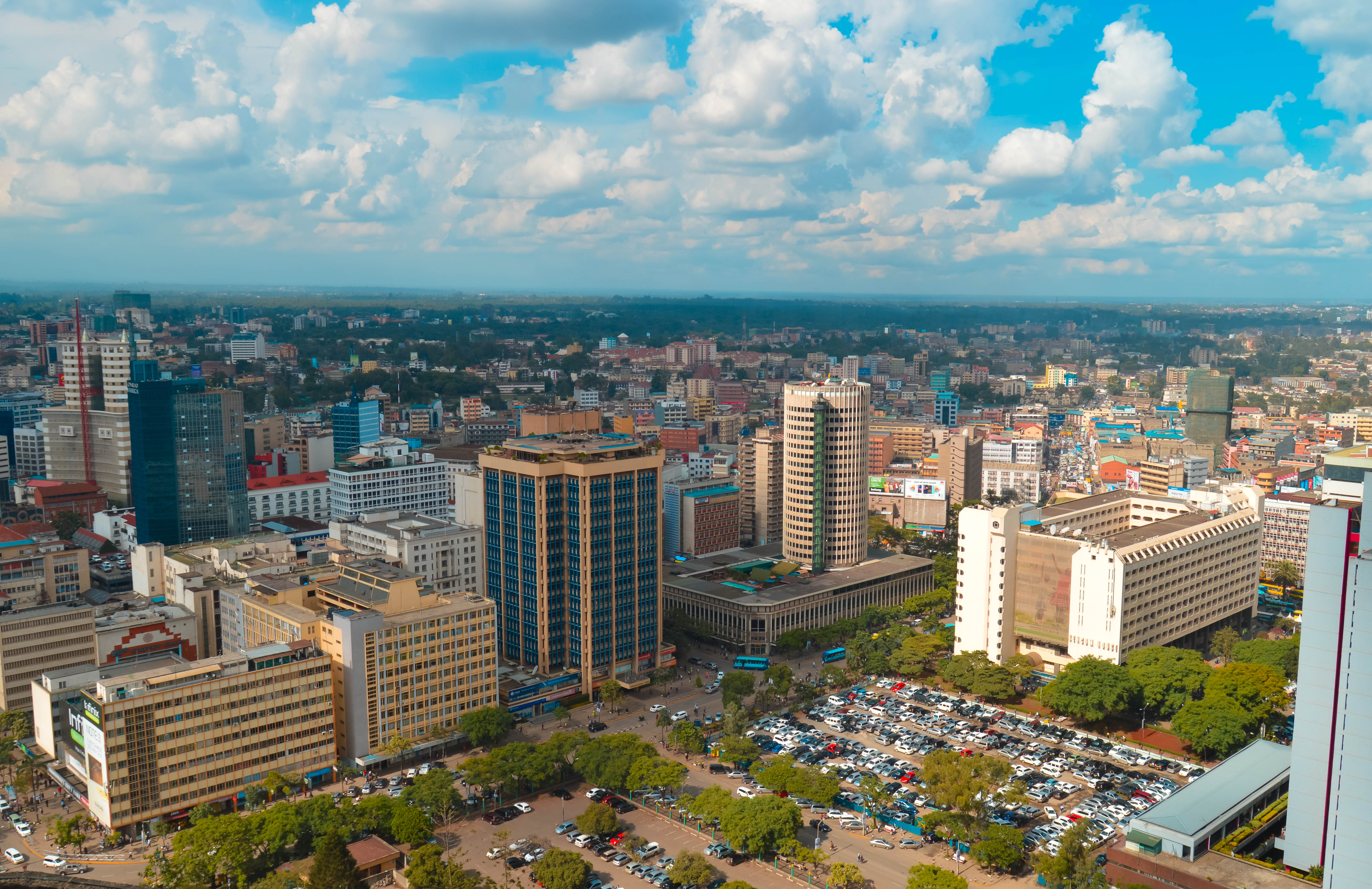
Kenya is a high-value East Africa trip for Maasai Mara safaris, Amboseli elephants, Mount Kenya, Rift Valley lakes, Nairobi, Diani, Mombasa, Swahili coast culture, wildlife conservancies, beaches, hiking, and social group tours. It rewards careful planning around eTA entry, safety advisories, health prep, safari logistics, rain, and road transfers.

SafariWildlifeBeachesRift Valley

What this trip is really like

Kenya is a high-value East Africa trip for Maasai Mara safaris, Amboseli elephants, Mount Kenya, Rift Valley lakes, Nairobi, Diani, Mombasa, Swahili coast culture, wildlife conservancies, beaches, hiking, and social group tours. It rewards careful planning around eTA entry, safety advisories, health prep, safari logistics, rain, and road transfers.

Capital
Nairobi
Population
48.5 million
Language
English, Swahili
Currency
Kenyan shilling Currency converter ↗
Timezone
Africa/Nairobi, UTC+03:00
Ideal trip length
Depends on the route
Emergency
police: 112 / 999, medical: 112 / 999, fire: 112 / 999

A good fit if you…

Nature
Beach
Social

Getting around

Transport, language, entry, and safety are the details that shape how this trip feels day to day.

Getting around

Kenya routes usually combine domestic flights, safari vehicles, private transfers, trains between Nairobi and Mombasa, ride-hailing in cities, buses, matatus, and taxis. Self-driving is possible but not easiest for first-timers; road safety, wet-season conditions, park distances, security regions, and night travel need caution.

Language

English is workable in major hubs, hotels, and tourist services, but Swahili basics help outside the main visitor route.

English ease 3/5

Visa

Kenya uses an Electronic Travel Authorization system instead of most traditional visitor visas. Most travelers must apply through the official Kenya eTA portal before travel unless exempt; approval gives permission to travel but does not guarantee entry.

Safety & health

The U.S. State Department currently advises exercising increased caution in Kenya due to crime, terrorism, and kidnapping. Do not travel to Kenya-Somalia border counties, Tana River County, coastal areas north of Malindi, West Pokot and western Turkana, and parts of Marsabit and Turkana near the Ethiopian border.

Exercise increased caution

Explore destination

These are the places that most strongly shape a first trip through Kenya.

Best time, month by month

January-February and July-September are usually Kenya strongest safari windows, with Maasai Mara migration interest highest in the dry-season peak but never guaranteed.

ExcellentGoodOkayLess ideal

September · Excellent

Low

September is still strong for safaris and often less crowded after August, with good Mara, Amboseli, and Rift Valley conditions. Coast humidity starts rising, and migration timing is never guaranteed.

Highlights in September

Great Migration

Large herds of wildebeest and zebras move into the Maasai Mara during the migration season, with possible river crossings and dramatic wildlife encounters.

Where
Maasai Mara
Timing
Migration timing depends on rainfall; river crossings and sightings are never guaranteed.

Climate at a glance

See the seasonal pattern month by month.

Temperature

28 °C14 °CJan
29 °C15 °CFeb
29 °C15 °CMar
27 °C16 °CApr
25 °C15 °CMay
25 °C14 °CJun
24 °C13 °CJul
24 °C13 °CAug
27 °C13 °CSep
28 °C14 °COct
26 °C15 °CNov
26 °C15 °CDec

Precipitation

62 mmJan
45 mmFeb
76 mmMar
139 mmApr
85 mmMay
17 mmJun
6 mmJul
11 mmAug
14 mmSep
60 mmOct
138 mmNov
92 mmDec

Climate source →

Full Travel Fit

A wider view of how this destination matches different travel styles.

Backpacking3/5

Kenya has hostels, backpacker routes, public transport, safaris, beaches, and social tours, but park costs, long transfers, security areas, and road safety make it moderate rather than easy.

Digital nomad3/5

Nairobi and coastal hubs can support remote stays with cafes, coworking, English, and good connectivity, but power/internet variation, safety, eTA limits, traffic, and cost swings need planning.

Budget3/5

Local food, guesthouses, buses, matatus, and some coast stays can be good value, but safari vehicles, park fees, conservancies, flights, beach resorts, and private transfers raise costs quickly.

Safety2/5

Current official advice is Level 2 with several do-not-travel areas and Nairobi neighborhoods to reconsider. Crime, terrorism, kidnapping, road safety, health risks, and remote safari logistics require care.

Nightlife3/5

Nairobi, Mombasa, Diani, and some resort areas have bars, music, restaurants, and late-night scenes, but safe transport and neighborhood choice matter.

Nature5/5

Kenya is top-tier for nature: Maasai Mara, Amboseli, Tsavo, Samburu, Mount Kenya, Rift Valley lakes, conservancies, birding, beaches, reefs, and wildlife safaris are central.

Beach4/5

Diani, Watamu, Malindi, Mombasa, Lamu-style coast, reefs, marine parks, kitesurfing, and warm Indian Ocean beaches make the coast a strong post-safari add-on.

Road trip3/5

Kenya has rewarding road loops, but self-driving is not the default for many visitors. Road quality, traffic, security regions, park access, wildlife, police checks, and wet-season conditions favor guides or drivers.

Beginner-friendly2/5

Kenya is rewarding but not fully beginner-friendly: safaris, health prep, eTA, park logistics, road safety, security regions, scams, and Nairobi/coast neighborhood choices need planning.

Social4/5

Group safaris, hostels, beach towns, Nairobi food/nightlife, volunteer or conservation trips, hiking, and shared transfers make Kenya social when logistics are arranged well.


A few words go a long way

English is workable in major hubs, hotels, and tourist services, but Swahili basics help outside the main visitor route.

English ease 3/5

Learn English for your trip →

Safety & health

The U.S. State Department currently advises exercising increased caution in Kenya due to crime, terrorism, and kidnapping. Do not travel to Kenya-Somalia border counties, Tana River County, coastal areas north of Malindi, West Pokot and western Turkana, and parts of Marsabit and Turkana near the Ethiopian border.

Read more →

On the route

  • Exercise increased caution due to crime, terrorism, and kidnapping; avoid the named Level 4 border, county, coastal, and northern areas.
  • Reconsider Eastleigh and Kibera in Nairobi; use extra care after dark, at ATMs, in traffic, and around demonstrations or political gatherings.
  • Safari parks, coastal routes, and long road transfers need reputable operators, secure transport, and current local guidance.

Health

  • Malaria, dengue, yellow fever rules by travel history, routine vaccines, food and water hygiene, and mosquito precautions need pre-trip medical advice.
  • Road accidents, heat, dehydration, altitude around Mount Kenya, wildlife, remote medical access, and diving or water safety are practical risks.
  • Travel insurance is important for safari evacuation, medical care, road transfers, and coast activities.

Check the entry context for your passport

Kenya uses an Electronic Travel Authorization system instead of most traditional visitor visas. Most travelers must apply through the official Kenya eTA portal before travel unless exempt; approval gives permission to travel but does not guarantee entry.

Read more →

Kenya uses an Electronic Travel Authorization system instead of most traditional visitor visas. Most travelers must apply through the official Kenya eTA portal before travel unless exempt; approval gives permission to travel but does not guarantee entry.

Keep the details current

A short list of the most useful official, climate, tourism, and route references behind this guide.

5 source groups

Open plan: Open the app

Transport, language, entry, and safety are the details that shape how this trip feels day to day.