Kiribati
← Back to destinations

Kiribati

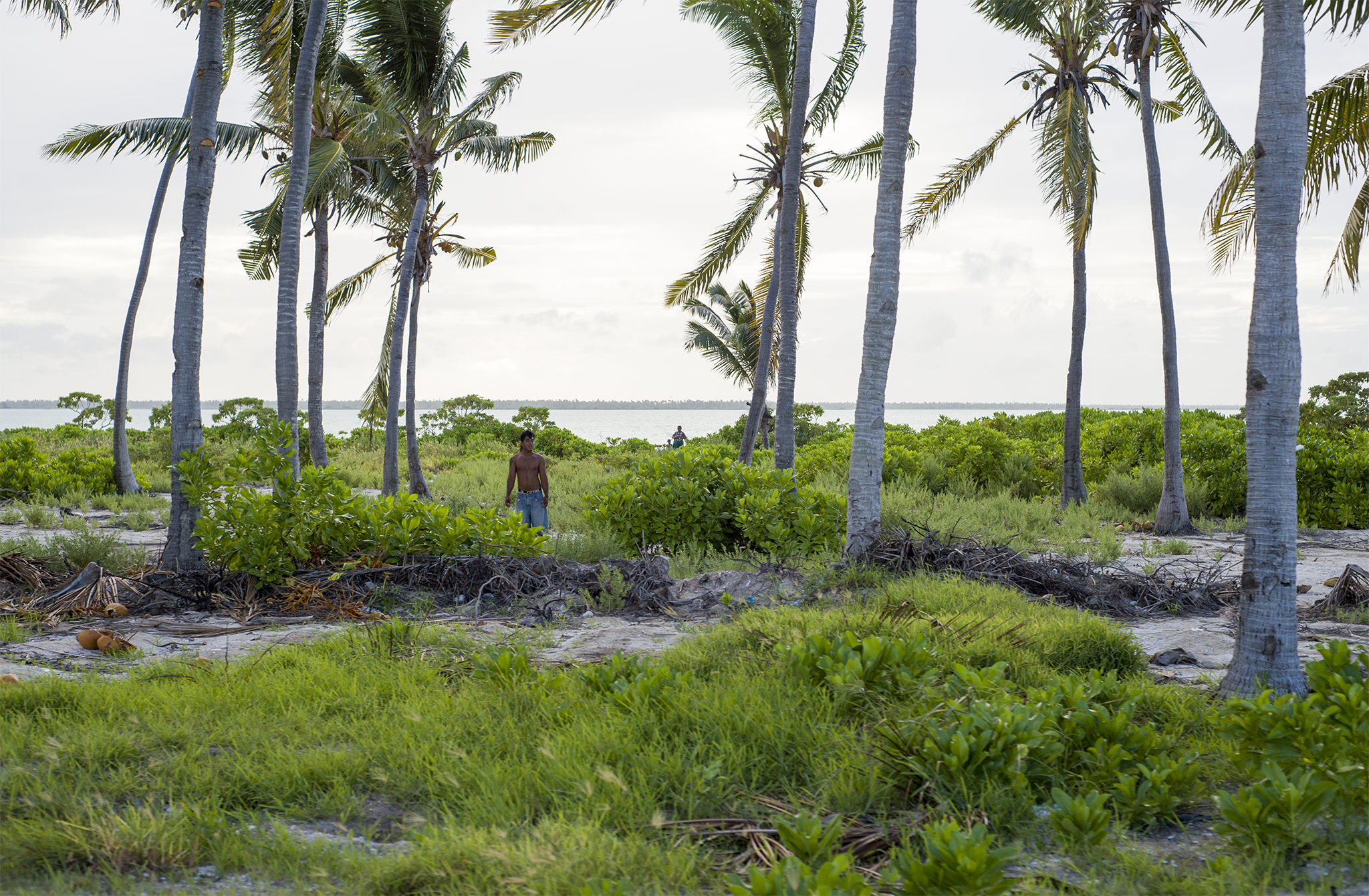
Kiribati is a remote Pacific country of 33 low-lying atolls spread across the Gilbert, Phoenix, and Line Islands. Travelers come for Tarawa history, maneaba culture, lagoons, fishing, birdlife, and outer-island community life, but sparse transport, limited services, water constraints, and climate exposure reward patient preparation.

Remote islandsAtollsFishingCulture

What this trip is really like

Kiribati is a remote Pacific country of 33 low-lying atolls spread across the Gilbert, Phoenix, and Line Islands. Travelers come for Tarawa history, maneaba culture, lagoons, fishing, birdlife, and outer-island community life, but sparse transport, limited services, water constraints, and climate exposure reward patient preparation.

Capital
South Tarawa
Population
119,438 people (2020 Population and Housing Census)
Language
English, Gilbertese
Currency
Australian dollar, Kiribati dollar Currency converter ↗
Timezone
Pacific/Tarawa, Pacific/Kanton, Pacific/Kiritimati
Ideal trip length
Depends on the route
Emergency
operator: 199, police: 192, medical: 194, fire: 193

A good fit if you…

Safety

Getting around

Transport, language, entry, and safety are the details that shape how this trip feels day to day.

Getting around

Kiribati has international gateways at Tarawa, Kiritimati, and Kanton, with domestic flights, minibuses, causeways, and boats connecting selected islands. Schedules are sparse and weather-sensitive, so confirm each leg with the operator, avoid tight connections, and plan for supplies and delays.

Language

English is official and useful for travel logistics, while Gilbertese is the everyday language and helps with local interaction outside formal settings.

English ease 4/5

Visa

Kiribati entry is passport-, purpose-, and stay-specific. Current U.S. and Canadian guidance says covered tourist passports generally do not need a tourist visa for up to 30 days, while Kiribati’s published immigration material says a visa is required before travel unless the passport is on an exemption order. A visitor permit may be issued for up to 30 days when the traveler has a valid passport, onward ticket, and sufficient funds; business, study, work, longer stays, extensions, and transit need separate checks.

Safety & health

The Government of Canada currently advises taking normal security precautions; the U.S. State Department also lists Kiribati at Level 1.

Take normal security precautions

Explore destination

These are the places that most strongly shape a first trip through Kiribati.

Best time, month by month

Kiribati is hot and humid year-round. The wet season generally runs from December to May, while cyclone and monsoon disruption is most relevant from around November to April.

ExcellentGoodOkayLess ideal

February · Excellent

Shoulder

February remains warm and wet in many island groups, with storm and transport uncertainty. Keep outer-island plans flexible and confirm flights, boats, accommodation, and supplies.

Climate at a glance

See the seasonal pattern month by month.

Temperature

30 °C24 °CJan
29 °C23 °CFeb
30 °C25 °CMar
30 °C25 °CApr
31 °C25 °CMay
31 °C25 °CJun
31 °C25 °CJul
31 °C25 °CAug
31 °C25 °CSep
31 °C25 °COct
31 °C25 °CNov
30 °C25 °CDec

Precipitation

208 mmJan
185 mmFeb
204 mmMar
140 mmApr
152 mmMay
140 mmJun
179 mmJul
159 mmAug
150 mmSep
81 mmOct
120 mmNov
208 mmDec

Climate source →

Full Travel Fit

A wider view of how this destination matches different travel styles.

Backpacking1/5

Kiribati is remote, transport is sparse, accommodation is limited, and costs can be high, making casual backpacking difficult.

Digital nomad1/5

Connectivity, power, workspace options, transport reliability, and limited services make Kiribati a poor fit for routine remote work.

Budget1/5

Imported goods, scarce accommodation, limited competition, and flight costs make Kiribati expensive despite simple local living.

Safety4/5

Official guidance is Level 1, but travelers still need care around water, medical limits, transport disruption, heat, night safety, and lagoon pollution.

Nightlife1/5

Nightlife is very limited and local life is quiet, community-based, and often church-centered.

Nature3/5

Atolls, lagoons, birdlife, reefs, fishing, and ocean horizons are distinctive, though fragile ecosystems and limited access shape the experience.

Beach3/5

Kiribati has atoll beaches and lagoons, but pollution, tides, transport, and limited tourism services make beach travel more rugged than resort-like.

Road trip1/5

This is not a road-trip destination; causeways, short local drives, boats, and flights define movement.

Beginner-friendly2/5

English and low advisory level help, but sparse transport, medical limits, water issues, and limited tourism infrastructure make it challenging.

Social2/5

Community stays, churches, markets, fishing lodges, and guesthouses offer interaction, but there is little organized traveler scene.


A few words go a long way

English is official and useful for travel logistics, while Gilbertese is the everyday language and helps with local interaction outside formal settings.

English ease 4/5

Learn English for your trip →

Safety & health

The Government of Canada currently advises taking normal security precautions; the U.S. State Department also lists Kiribati at Level 1.

Read more →

On the route

  • Keep valuables secure, avoid isolated or poorly lit areas after dark, and use extra care around beaches, Betio, and South Tarawa.
  • Do not touch metal, ammunition, or other suspected unexploded ordnance around former Battle of Tarawa sites; follow local directions and stay away from restricted areas.
  • Roads can be crowded, poorly lit, flooded, or hazardous after dark. Maritime travel is common, but weather and vessel standards vary; use reputable operators and keep schedule buffers.

Health

  • Bring prescription and essential over-the-counter medicines because local supply and medical capacity are limited.
  • Use bottled, boiled, or properly filtered water when the local supply is uncertain, and avoid polluted lagoon water around South Tarawa.
  • Riptides, strong surf, reef cuts, heat, dehydration, sun exposure, dengue, and long evacuation distances require practical planning; travel insurance should cover evacuation.

Check the entry context for your passport

Kiribati entry is passport-, purpose-, and stay-specific. Current U.S. and Canadian guidance says covered tourist passports generally do not need a tourist visa for up to 30 days, while Kiribati’s published immigration material says a visa is required before travel unless the passport is on an exemption order. A visitor permit may be issued for up to 30 days when the traveler has a valid passport, onward ticket, and sufficient funds; business, study, work, longer stays, extensions, and transit need separate checks.

Read more →

Kiribati entry is passport-, purpose-, and stay-specific. Current U.S. and Canadian guidance says covered tourist passports generally do not need a tourist visa for up to 30 days, while Kiribati’s published immigration material says a visa is required before travel unless the passport is on an exemption order. A visitor permit may be issued for up to 30 days when the traveler has a valid passport, onward ticket, and sufficient funds; business, study, work, longer stays, extensions, and transit need separate checks.

Keep the details current

A short list of the most useful official, climate, tourism, and route references behind this guide.

5 source groups
View all sources

Open plan: Open the app

Transport, language, entry, and safety are the details that shape how this trip feels day to day.