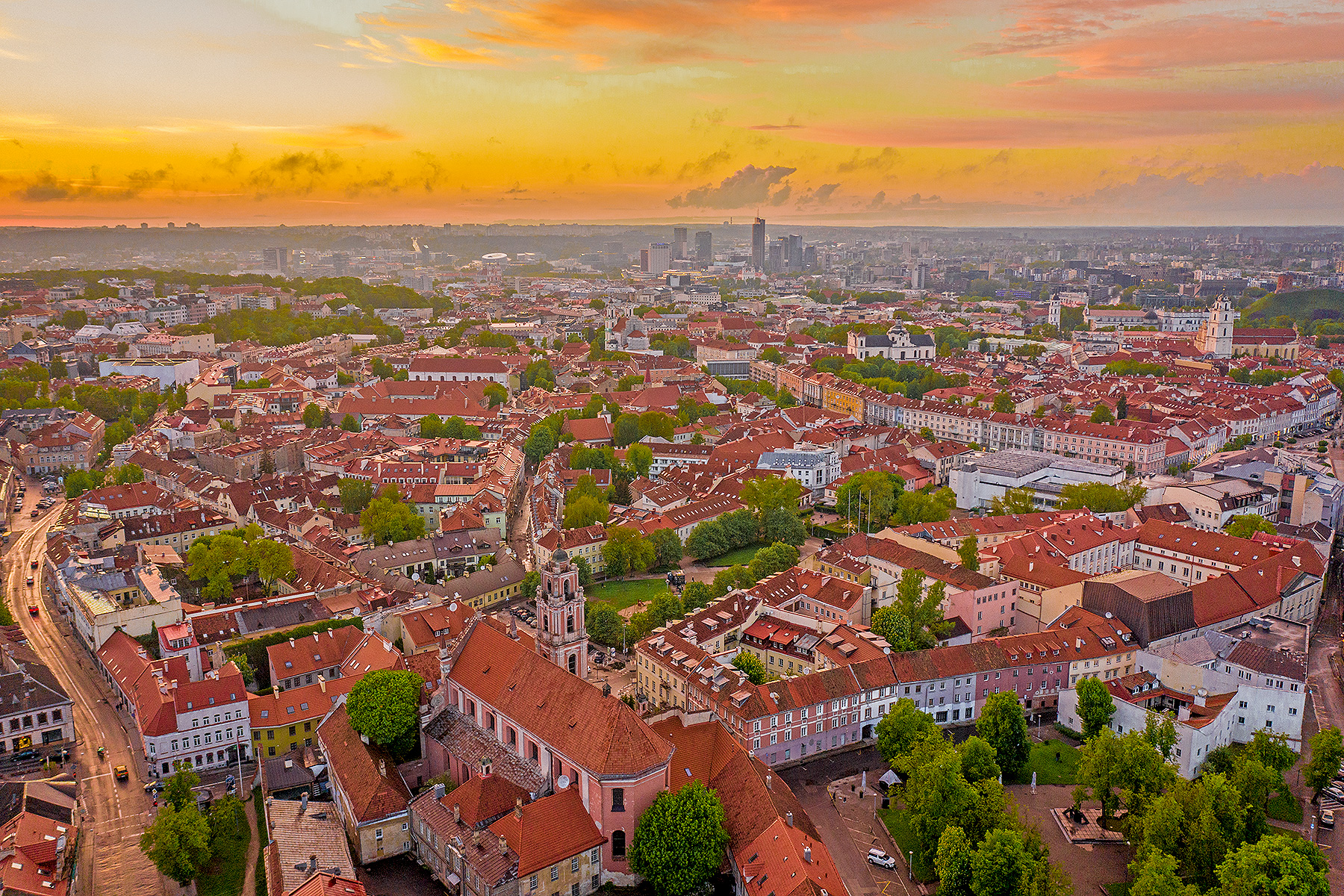
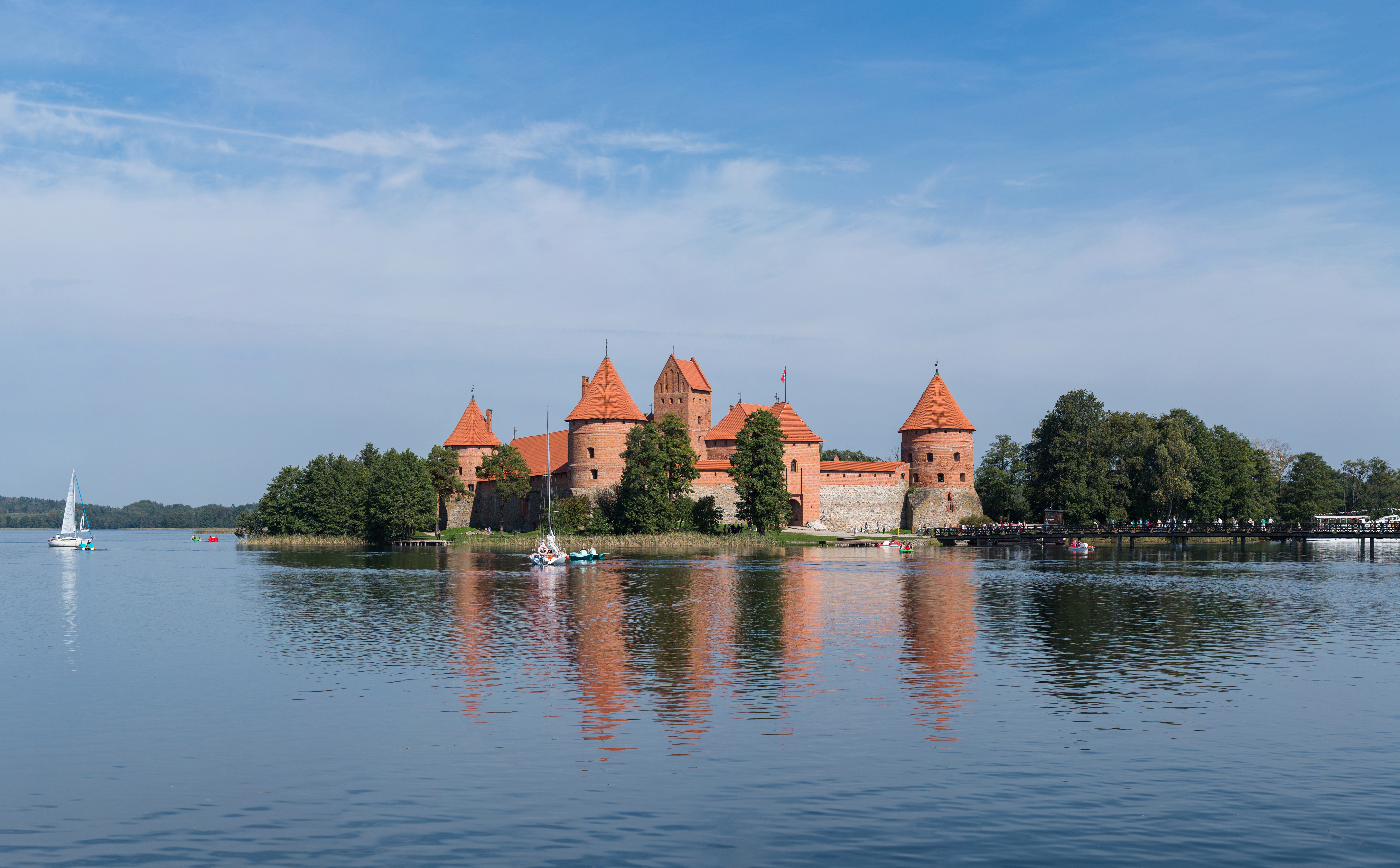
Vilnius, Kaunas, Klaipėda, Trakai, and Šiauliai can be linked with trains and buses, and hostels keep independent travel practical; rural parks and the Curonian Spit need more planning.
Vilnius and Kaunas offer reliable connectivity, coworking, cafés, and relatively moderate European costs; passport-specific Schengen limits and residence rules still matter for longer stays.
Lithuania is generally good value compared with Western and Northern Europe, especially for local food and intercity transport; prices rise for summer accommodation on the coast and Curonian Spit.
The current U.S. advisory is Level 1 and public transport is generally safe, while petty theft, nightlife incidents, and border-specific guidance still call for normal precautions.
Vilnius and Kaunas have active bars, clubs, live music, festivals, and student scenes; smaller towns are quieter and late-night transport needs more planning.
Forests, lakes, wetlands, the Curonian Spit dunes, Baltic coast, and national or regional parks give Lithuania a strong outdoors fit, even without alpine terrain.
The Baltic coast, Palanga, Klaipėda, and the Curonian Spit provide real beach and seaside options, but water temperatures and weather are cooler and more variable than in southern Europe.
Good intercity roads and manageable distances make loops through Vilnius, Trakai, Kaunas, Šiauliai, Klaipėda, and the coast straightforward; rural roads, winter conditions, and the Curonian Spit ferry need checking.
English is common in major visitor areas, transport links are clear, cities are walkable, and Schengen entry is simple for eligible passports; rural services and winter daylight are the main caveats.
Hostels, student neighborhoods, cafés, festivals, markets, and active cultural scenes make it easy to meet people in Vilnius, Kaunas, and Klaipėda; rural areas are more reserved.