

Getting around
Most routes combine private drivers, buses, minibuses, lodge transfers, ferries, boats, taxis, and occasional domestic flights. Roads vary, night travel is risky, fuel can be unreliable, and rainy-season routes need extra buffers.

Malawi combines Lake Malawi beaches and islands with Liwonde and Majete safaris, Mount Mulanje and Nyika highlands, tea country, relaxed guesthouses, and friendly overland routes. Distances, road conditions, health planning, and limited emergency services still shape the trip.
Malawi combines Lake Malawi beaches and islands with Liwonde and Majete safaris, Mount Mulanje and Nyika highlands, tea country, relaxed guesthouses, and friendly overland routes. Distances, road conditions, health planning, and limited emergency services still shape the trip.
General information
Transport, language, entry, and safety are the details that shape how this trip feels day to day.
Most routes combine private drivers, buses, minibuses, lodge transfers, ferries, boats, taxis, and occasional domestic flights. Roads vary, night travel is risky, fuel can be unreliable, and rainy-season routes need extra buffers.
English is widely used in towns, lodges, and travel services; Chichewa and other local languages are more useful in rural areas.
English ease 4/5Malawi’s visa route is passport-category and purpose-dependent. The official Malawi eVisa portal says nationals of Category Two countries may obtain a visa on arrival at designated ports from 24 February 2026, while Category One nationals must obtain a visa or prior authorisation before departure; eligible travellers are still encouraged to apply online. For a British passport, current FCDO guidance lists US$50 single-entry, US$150 six-month multiple-entry, or US$250 one-year multiple-entry visas. Your passport must be valid for at least six months after arrival; yellow-fever or polio certificates may be required based on travel history, and arrivals must complete the Traveller Health Check form. Work, study, residence, fees, entry ports, and visitor-permit duration require confirmation with Malawi Immigration before departure.
The U.S. State Department lists Malawi at Level 2 (Exercise increased caution) because of crime and unrest; current FCDO advice also warns about demonstrations, kidnapping, road travel, and limited emergency services.
Exercise increased cautionThese are the places that most strongly shape a first trip through Malawi.

Clear freshwater beaches, kayaking, island trips, cichlid snorkeling, sunsets, relaxed lodges, and the country's signature lakeshore rhythm.
Official or credited source ↗
Shire River safaris, elephants, hippos, birds, boat trips, game drives, and an accessible wildlife route between Blantyre and the lake.
Official or credited source ↗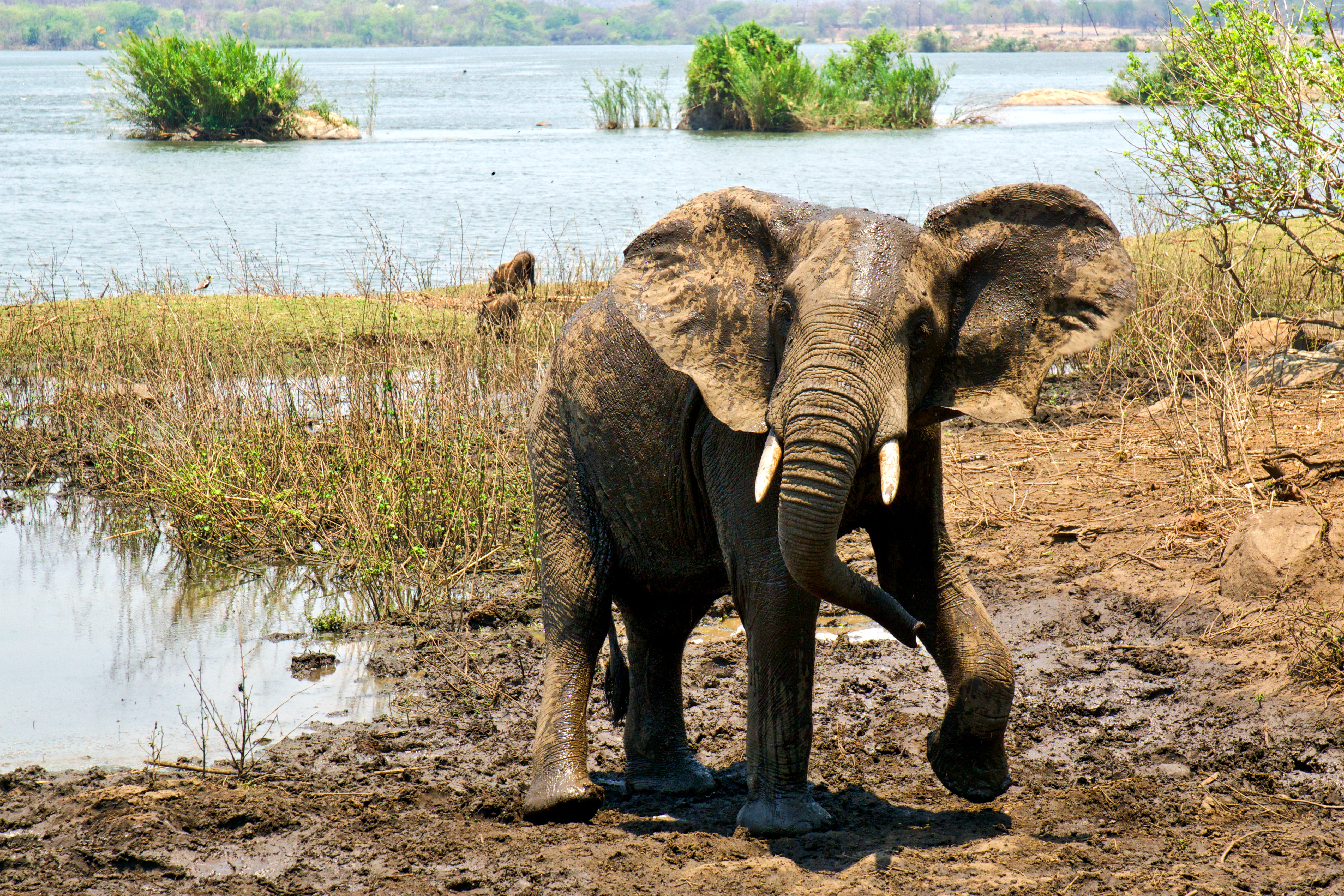
A major conservation comeback with Big Five safari potential, guided drives, river scenery, lodges, and strong southern Malawi routing.
Official or credited source ↗.jpg)
Granite peaks, tea estates, hiking huts, waterfalls, forest walks, cooler air, and one of southern Africa's standout mountain landscapes.
Official or credited source ↗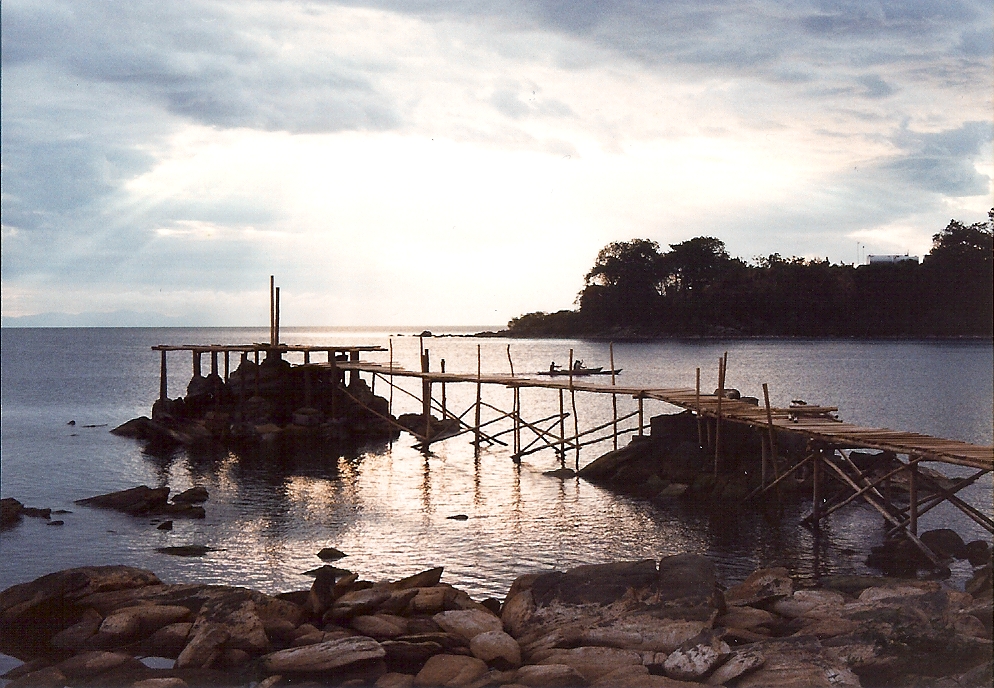
Northern lakeshore guesthouses, diving, village stays, ferry travel, island churches, quiet beaches, and a slower backpacker route.
Official or credited source ↗May-October is the strongest broad window for dry roads, cooler highlands, hiking, safaris, and clearer lake conditions.
September is dry and warmer, with strong conditions for parks, hiking, and clear lakeshore days. Heat builds in the lowlands while highlands remain more comfortable.
The Mount Mulanje Porters Race is a demanding mountain running event that celebrates local porters and brings athletes to Malawi's iconic massif.
Lake of Stars showcases Malawian and international music, arts and culture, with festival venues and programmes varying by edition.
Lake of Stars showcases Malawian and international music, arts and culture, with festival venues and programmes varying by edition.
See the seasonal pattern month by month.
A wider view of how this destination matches different travel styles.
Lake Malawi guesthouses, buses, ferries, relaxed towns, low-key lodges, and friendly travel culture make Malawi a strong backpacking fit with planning.
Lilongwe, Blantyre, and some lakeshore stays can support short work stops, but power, connectivity, payment, visa, and transport limits reduce reliability.
Local food and basic stays can be affordable, but safaris, private transfers, fuel, lake lodges, activities, and remote routing can raise costs.
Malawi is Level 2 due to crime and unrest, with special caution needed for night travel, walking, roads, demonstrations, health, and remote areas.
Nightlife is limited outside larger cities and lakeshore backpacker spots, and after-dark transport needs caution.
Lake Malawi, Liwonde, Majete, Mount Mulanje, Nyika, Nkhata Bay, Likoma, forests, birds, fish, and highlands make nature the main draw.
Malawi is landlocked, but Lake Malawi gives real beach-style travel with sand, swimming, kayaking, snorkeling, islands, and lakeshore lodges.
Malawi has rewarding north-south routes, but road quality, night hazards, rainy-season disruption, fuel, police stops, and long distances limit easy road-tripping.
Guided lodges, lakeshore stays, and short routes are approachable, while independent transport, health precautions, road risk, and remote areas need preparation.
Lake Malawi guesthouses, backpacker stops, ferries, group hikes, volunteer circuits, and safari lodges create strong social travel opportunities.
English is widely used in towns, lodges, and travel services; Chichewa and other local languages are more useful in rural areas.
English ease 4/5
Learn English for your trip →The U.S. State Department lists Malawi at Level 2 (Exercise increased caution) because of crime and unrest; current FCDO advice also warns about demonstrations, kidnapping, road travel, and limited emergency services.
Read more →Malawi’s visa route is passport-category and purpose-dependent. The official Malawi eVisa portal says nationals of Category Two countries may obtain a visa on arrival at designated ports from 24 February 2026, while Category One nationals must obtain a visa or prior authorisation before departure; eligible travellers are still encouraged to apply online. For a British passport, current FCDO guidance lists US$50 single-entry, US$150 six-month multiple-entry, or US$250 one-year multiple-entry visas. Your passport must be valid for at least six months after arrival; yellow-fever or polio certificates may be required based on travel history, and arrivals must complete the Traveller Health Check form. Work, study, residence, fees, entry ports, and visitor-permit duration require confirmation with Malawi Immigration before departure.
Read more →Malawi’s visa route is passport-category and purpose-dependent. The official Malawi eVisa portal says nationals of Category Two countries may obtain a visa on arrival at designated ports from 24 February 2026, while Category One nationals must obtain a visa or prior authorisation before departure; eligible travellers are still encouraged to apply online. For a British passport, current FCDO guidance lists US$50 single-entry, US$150 six-month multiple-entry, or US$250 one-year multiple-entry visas. Your passport must be valid for at least six months after arrival; yellow-fever or polio certificates may be required based on travel history, and arrivals must complete the Traveller Health Check form. Work, study, residence, fees, entry ports, and visitor-permit duration require confirmation with Malawi Immigration before departure.
Transport, language, entry, and safety are the details that shape how this trip feels day to day.
A short list of the most useful official, climate, tourism, and route references behind this guide.
5 source groupsTrip Planner & Map
Transport, language, entry, and safety are the details that shape how this trip feels day to day.
