Local islands and guesthouses make lower-cost travel possible, but ferries, limited alcohol, bikini-beach rules, transfers, and island logistics make it less flexible than classic backpacking hubs.
Resorts and some local islands can support short remote-work stays, but costs, island isolation, transfer logistics, and visa/work limits make it a limited nomad base.
The core Maldives experience is expensive because accommodation, transfers, seaplanes, food, diving, and resort extras add up quickly; local islands reduce but do not erase costs.
The current U.S. Level 2 terrorism advisory and FCDO guidance, plus remote response times, water safety, local laws, and weather-sensitive transfers, require planning even on controlled resort islands.
Nightlife is mostly resort bars, beach dinners, and occasional local events; public alcohol and party scenes are limited outside licensed resort settings.
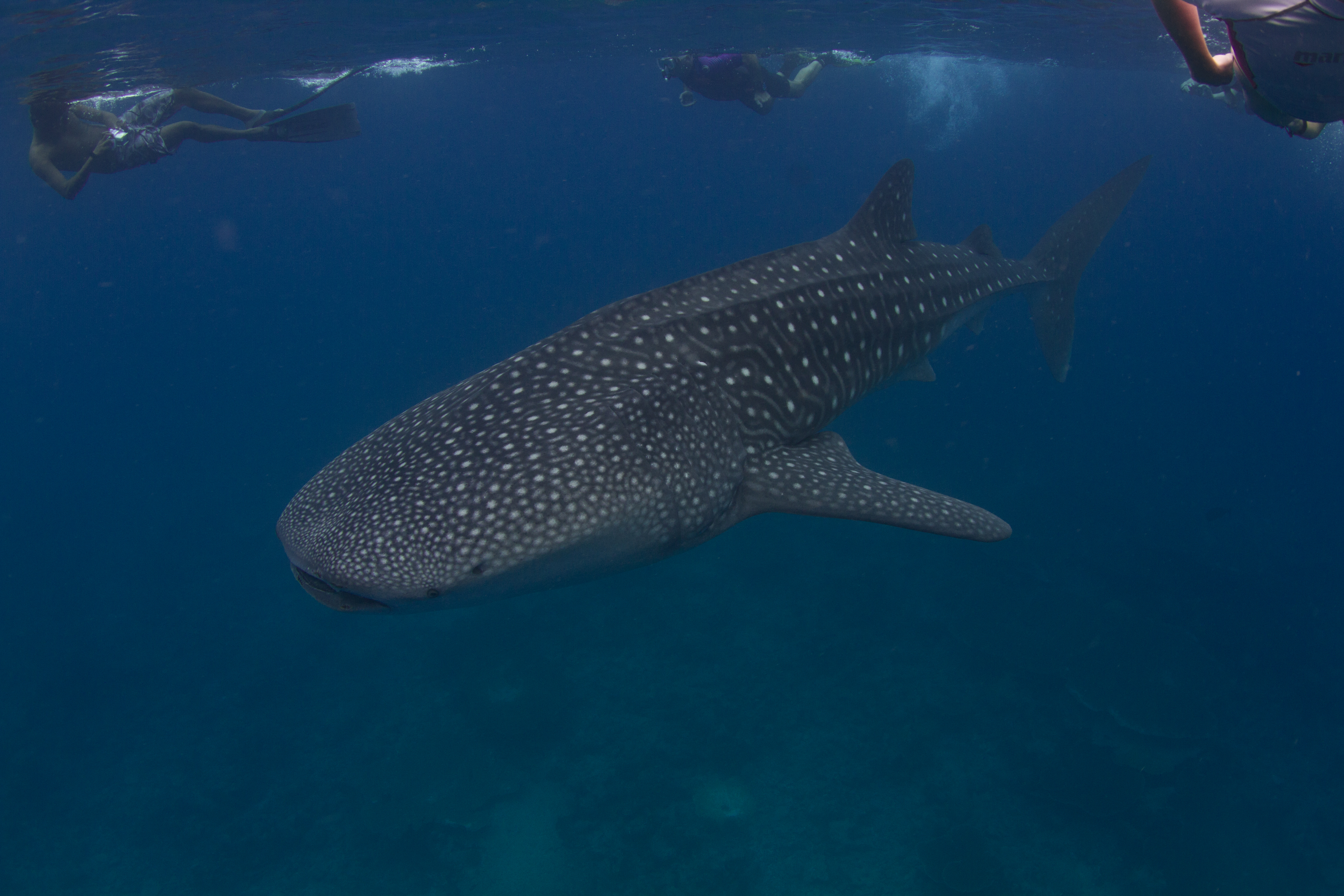
Coral reefs, manta rays, whale sharks, lagoons, sandbanks, atolls, diving, snorkeling, and marine conservation make the Maldives exceptional for ocean nature.
White sand, lagoons, overwater villas, reef snorkeling, resort islands, and warm water make the Maldives one of the world's strongest beach destinations.
There is no meaningful road-trip experience for visitors; travel is by boat, seaplane, domestic flight, ferry, and resort transfer.
Package resort trips are very easy once booked, with English widely used in tourism, but independent island-hopping requires transfer, weather, and local-rule planning.
Resorts, dive boats, guesthouses, excursions, and liveaboards create social contact, though private-island stays can feel quiet or couple-focused.