Mali
← Back to destinations

Mali

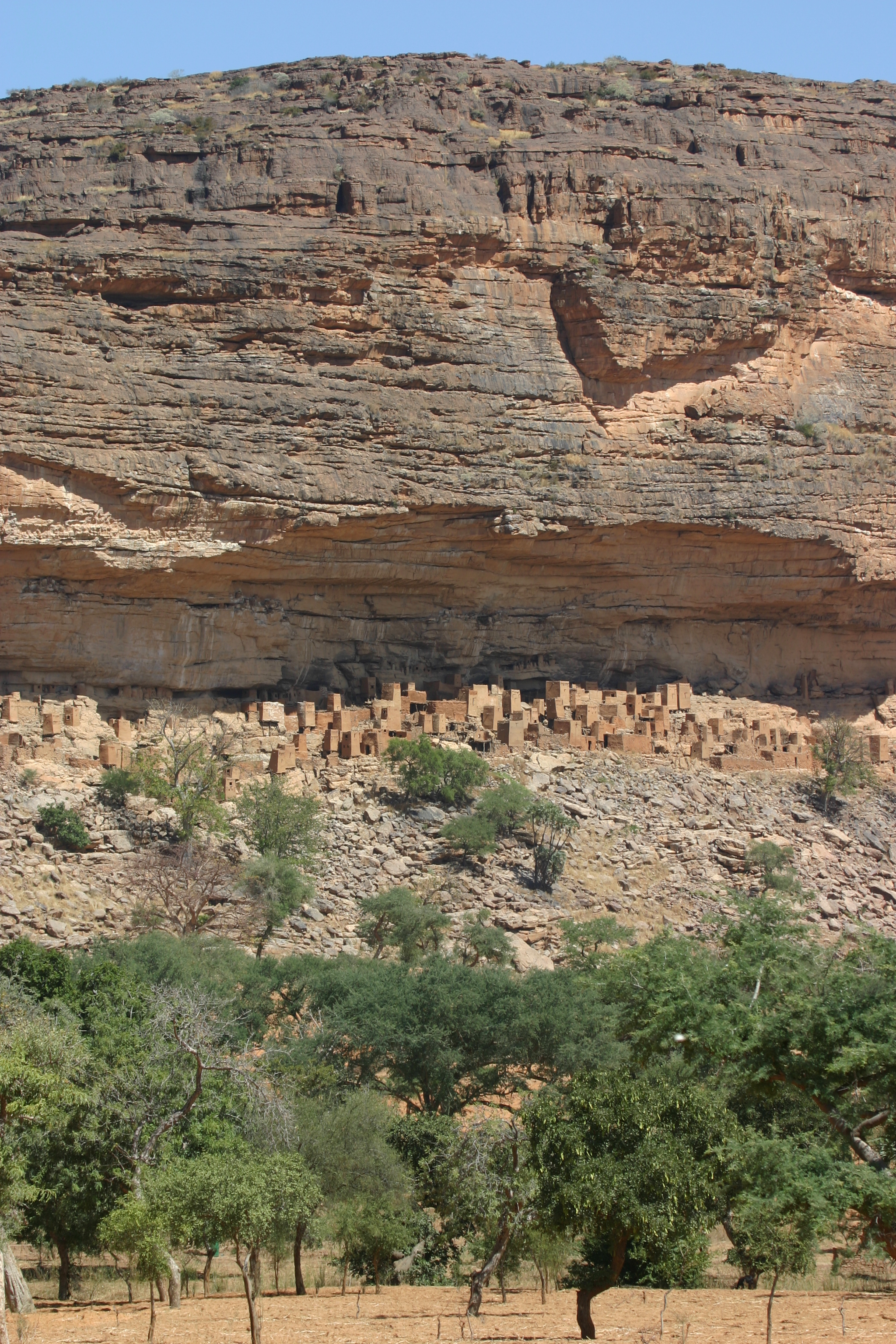
Mali has exceptional West African heritage, including Timbuktu, Djenne, the Cliff of Bandiagara, and the Tomb of Askia. Current U. S. and UK guidance says not to travel, so this profile is cultural context for specialist or future planning, not a recommendation for ordinary leisure travel.

World HeritageSpecialist travel

What this trip is really like

Mali has exceptional West African heritage, including Timbuktu, Djenne, the Cliff of Bandiagara, and the Tomb of Askia. Current U. S. and UK guidance says not to travel, so this profile is cultural context for specialist or future planning, not a recommendation for ordinary leisure travel.

Capital
Bamako
Population
25.199 million residents (UNData 2025 estimate)
Language
French
Currency
West African CFA franc Currency converter ↗
Timezone
Africa/Bamako
Ideal trip length
Depends on the route
Emergency
police: 80 00 1115, medical: 80 00 1115, fire: 80 00 1201 / 20 22 8081

Getting around

Transport, language, entry, and safety are the details that shape how this trip feels day to day.

Getting around

Transport planning in Mali is a security problem, not a casual logistics choice. FCDO reports JNIM blockades and fuel shortages on key southern and western routes; roads outside Bamako are often damaged, rainy-season travel is difficult, and flights can be cancelled or diverted at short notice. Airports outside Bamako are extremely dangerous under current guidance. Any unavoidable movement needs current permits, specialist security or escort, operator coordination, communications, and medical-evacuation cover; the highlights are not ordinary leisure routes.

Language

English is limited; French and local languages such as Bambara are much more useful, and any essential travel needs trusted local support.

English ease 1/5

Visa

Mali requires a passport- and purpose-specific visa for ordinary visitors. For British citizens, current FCDO guidance says applications and payment are fully online through the Malian Ministry of Foreign Affairs, with an electronic entry permit issued after approval; the passport must be valid for the duration of the stay and yellow-fever proof is required. As of January 1, 2026, Mali suspended visa issuance to U.S. citizens with limited exceptions. Other passports, special-purpose travel, sponsors, minors, transit, and overland entry need direct confirmation with the relevant Malian mission; FCDO advises against all travel.

Safety & health

The U.S. State Department's June 8, 2026 advisory says do not travel to Mali for any reason because of crime, terrorism, unrest, health risks, and kidnapping or hostage taking.

Level 4: Do not travel

Explore destination

These are the places that most strongly shape a first trip through Mali.

Best time, month by month

Mali's climate varies from the wetter southern zone around Bamako to Sahelian and Saharan regions farther north. FCDO identifies June-October as the rainy season, with flooding, landslides, and difficult roads; the U. S.

ExcellentGoodOkayLess ideal

January · Less ideal

High

January is usually part of Mali's drier, cooler season around Bamako, but current U.S. and UK guidance advises against all travel; favorable weather does not create a safe leisure window.

Climate at a glance

See the seasonal pattern month by month.

Temperature

35 °C15 °CJan
38 °C18 °CFeb
41 °C23 °CMar
41 °C24 °CApr
39 °C25 °CMay
36 °C24 °CJun
33 °C22 °CJul
31 °C22 °CAug
33 °C22 °CSep
35 °C22 °COct
37 °C19 °CNov
35 °C15 °CDec

Precipitation

1 mmJan
1 mmFeb
4 mmMar
20 mmApr
59 mmMay
120 mmJun
225 mmJul
286 mmAug
169 mmSep
64 mmOct
3 mmNov
0 mmDec

Climate source →

Full Travel Fit

A wider view of how this destination matches different travel styles.

Backpacking1/5

Mali's major heritage does not make independent backpacking appropriate while the U.S. and UK advisories remain at their current severity. Buses, overland loops, and low-cost movement require security conditions that are not present.

Digital nomad1/5

A short work base in Bamako would still face the Level 4 warning, visa restrictions for U.S. citizens, cash and fuel constraints, heat, and limited emergency support. Mali is not a sensible nomad destination under current guidance.

Budget1/5

Local costs alone do not make Mali a budget destination when any unavoidable trip may require vetted transport, security support, evacuation cover, and large contingencies.

Safety1/5

The U.S. advisory is Level 4: Do not travel, and FCDO advises against all travel because of crime, terrorism, unrest, health risks, kidnapping, and route blockades.

Nightlife1/5

Attacks can target hotels, restaurants, bars, and places frequented by foreigners. Evening movement should be minimized and locally vetted, so Mali is not a nightlife-led destination.

Nature2/5

The Niger River, Sahel, Sahara, and Bandiagara landscapes give Mali real natural depth, but security, heat, road conditions, and access restrictions make them specialist context rather than practical trip options.

Beach1/5

Mali is landlocked and has no coast or beach-resort circuit.

Road trip1/5

Road travel is exposed to checkpoints, fuel shortages, damaged roads, blockades, landmines, terrorism, carjacking, kidnapping, and limited roadside medical help. A self-drive loop is not appropriate under current warnings.

Beginner-friendly1/5

First-time or casual travelers should not choose Mali while both U.S. and UK authorities advise against travel nationwide. French ability, specialist support, and security planning would still not remove the current risks.

Social1/5

Malian hospitality and cultural exchange are meaningful, but social travel currently needs to be limited to essential, vetted contacts with professional risk planning rather than ordinary hostels or group itineraries.


A few words go a long way

English is limited; French and local languages such as Bambara are much more useful, and any essential travel needs trusted local support.

English ease 1/5

Learn French for your trip →
Où est la gare ?Where is the station?

Safety & health

The U.S. State Department's June 8, 2026 advisory says do not travel to Mali for any reason because of crime, terrorism, unrest, health risks, and kidnapping or hostage taking.

Read more →

On the route

  • Violent crime, carjacking, kidnapping, terrorism, armed conflict, checkpoints, demonstrations, and landmines affect routes nationwide; attacks may target roads, airports, hotels, restaurants, places of worship, and government sites.
  • FCDO reports current fuel shortages and JNIM blockades in southern and western Mali; roads outside Bamako are often damaged, rainy-season conditions are difficult from June to October, and northern and eastern routes face explosive-device risk.
  • Do not photograph official objects, infrastructure, facilities, government buildings, or people without permission; carry original ID, avoid night movement, and follow current local restrictions.

Health

  • Yellow-fever vaccination proof is required for entry; malaria prevention is strongly recommended, and heat is severe especially from March to June.
  • Medical and pharmacy capacity is limited outside major cities, routine and emergency care is constrained, and patients may have to pay for transfers; arrange evacuation cover if travel is unavoidable.

Check the entry context for your passport

Mali requires a passport- and purpose-specific visa for ordinary visitors. For British citizens, current FCDO guidance says applications and payment are fully online through the Malian Ministry of Foreign Affairs, with an electronic entry permit issued after approval; the passport must be valid for the duration of the stay and yellow-fever proof is required. As of January 1, 2026, Mali suspended visa issuance to U.S. citizens with limited exceptions. Other passports, special-purpose travel, sponsors, minors, transit, and overland entry need direct confirmation with the relevant Malian mission; FCDO advises against all travel.

Read more →

Mali requires a passport- and purpose-specific visa for ordinary visitors. For British citizens, current FCDO guidance says applications and payment are fully online through the Malian Ministry of Foreign Affairs, with an electronic entry permit issued after approval; the passport must be valid for the duration of the stay and yellow-fever proof is required. As of January 1, 2026, Mali suspended visa issuance to U.S. citizens with limited exceptions. Other passports, special-purpose travel, sponsors, minors, transit, and overland entry need direct confirmation with the relevant Malian mission; FCDO advises against all travel.

Keep the details current

A short list of the most useful official, climate, tourism, and route references behind this guide.

4 source groups
View all sources

Open plan: Open the app

Transport, language, entry, and safety are the details that shape how this trip feels day to day.